
Last updated November 15, 2026
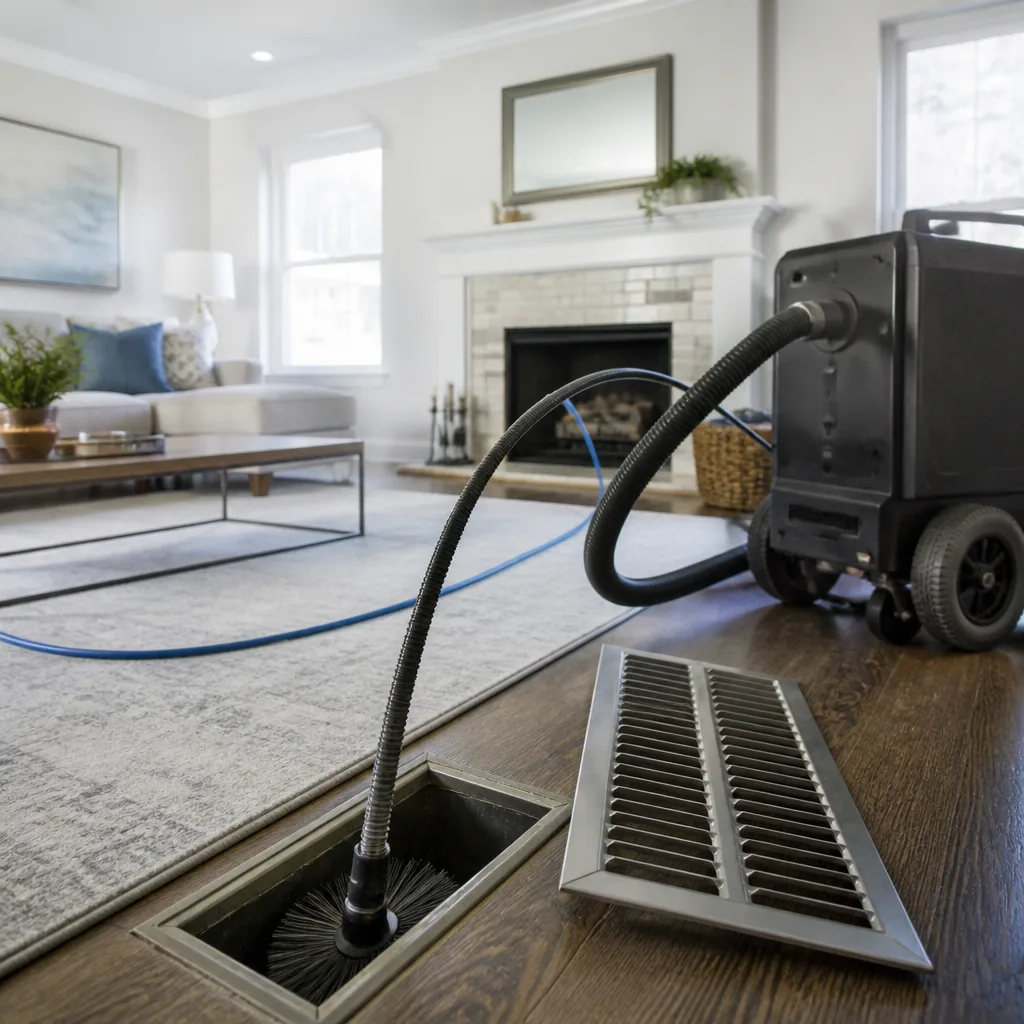 Whole-home duct cleaning
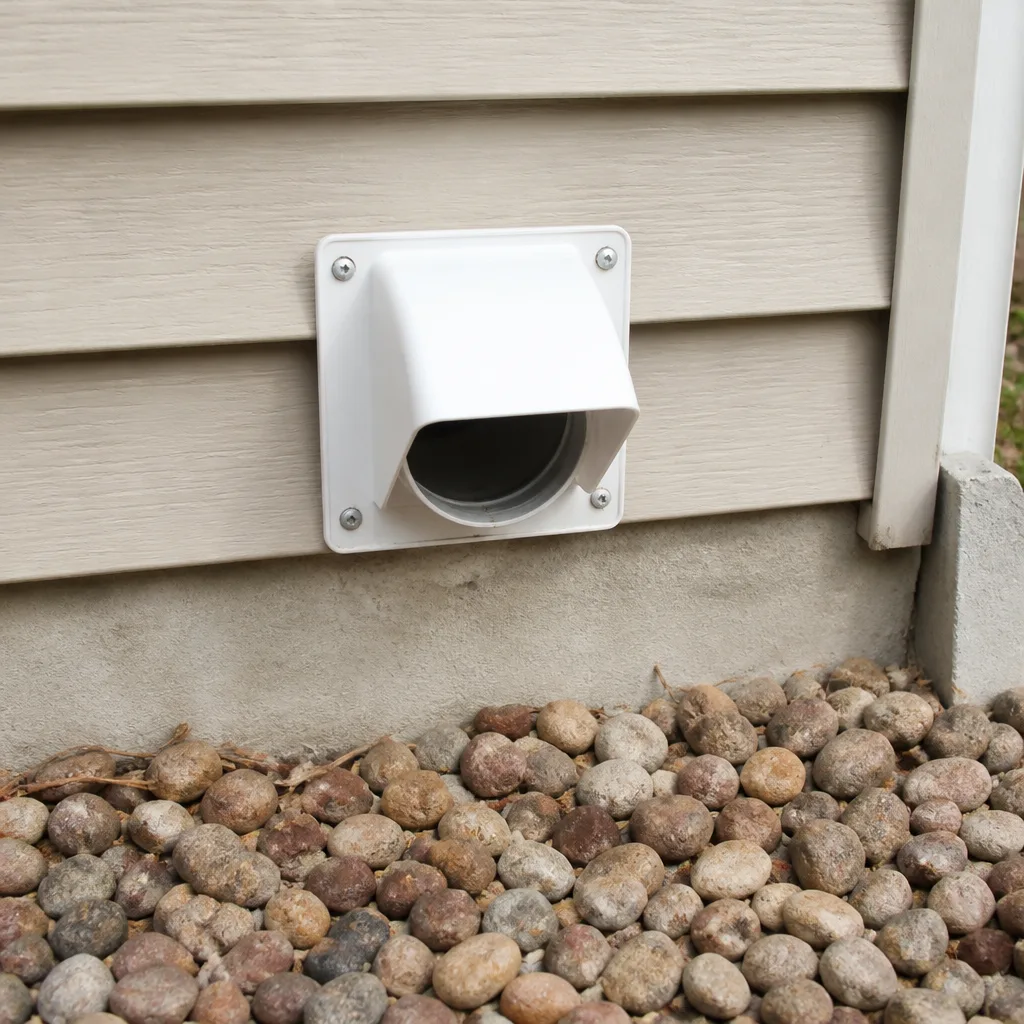 Dryer vent cleaning
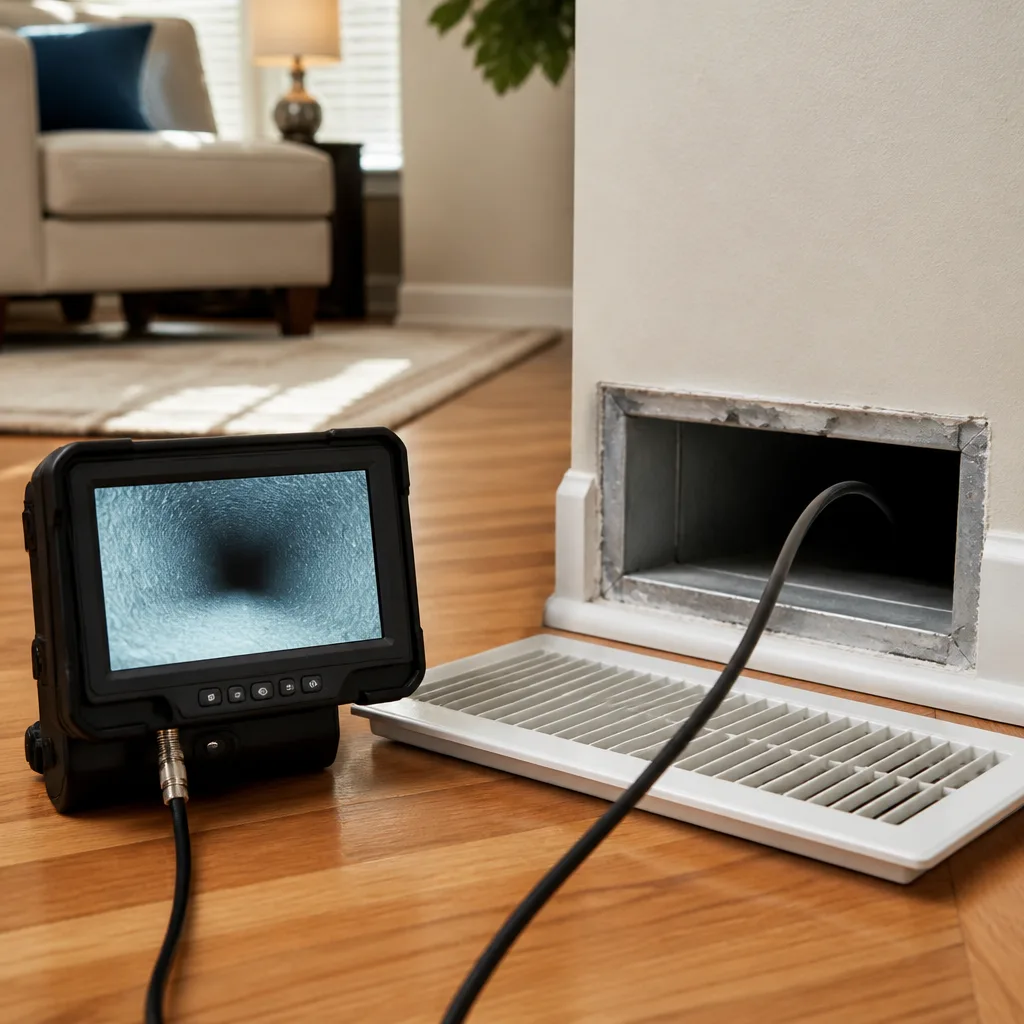 Camera inspection
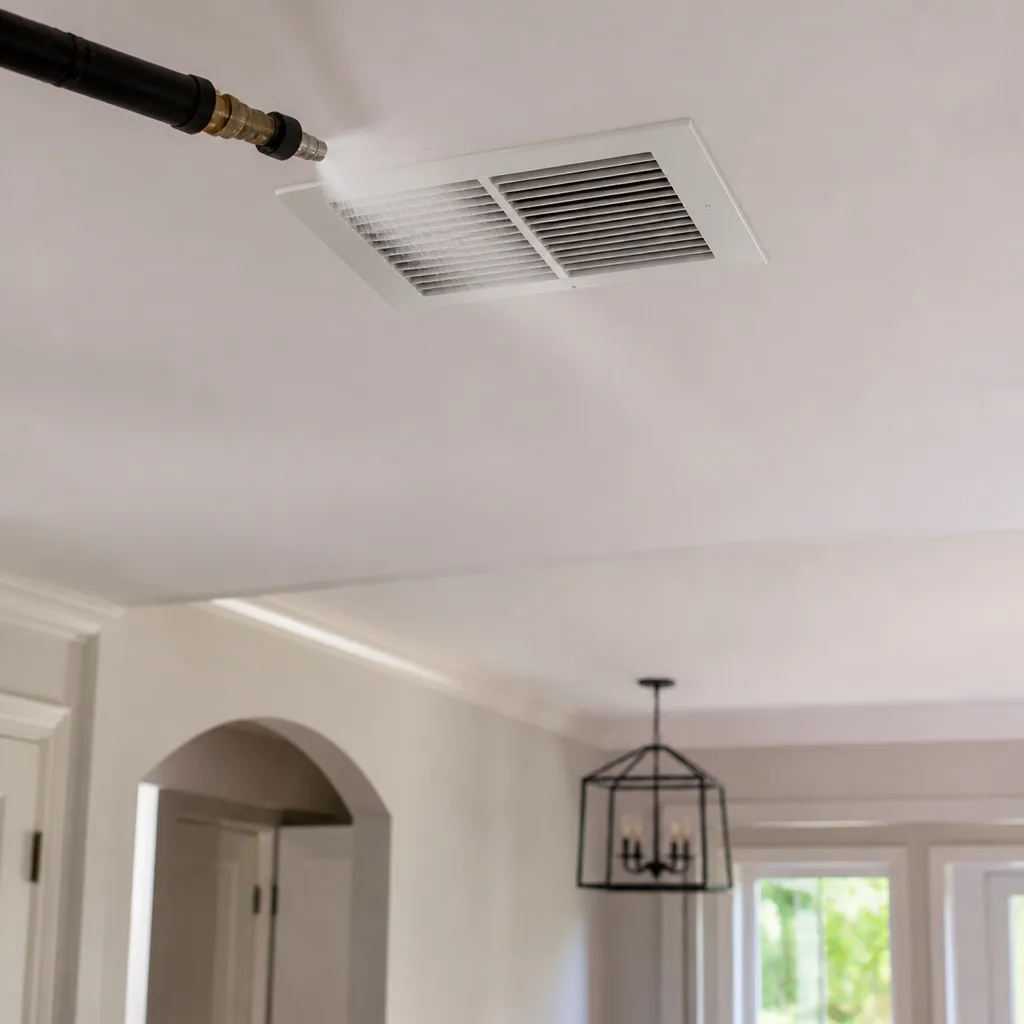 Sanitizing & deodorizing
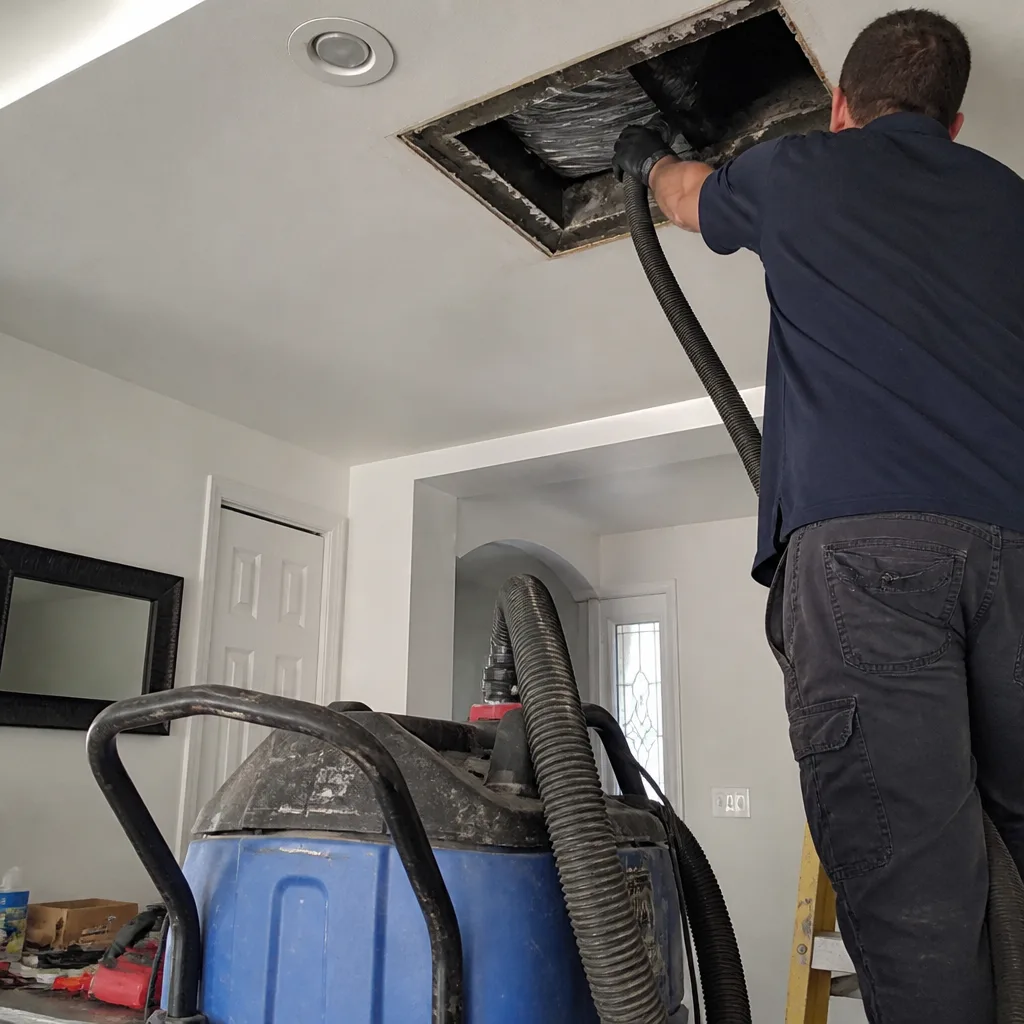
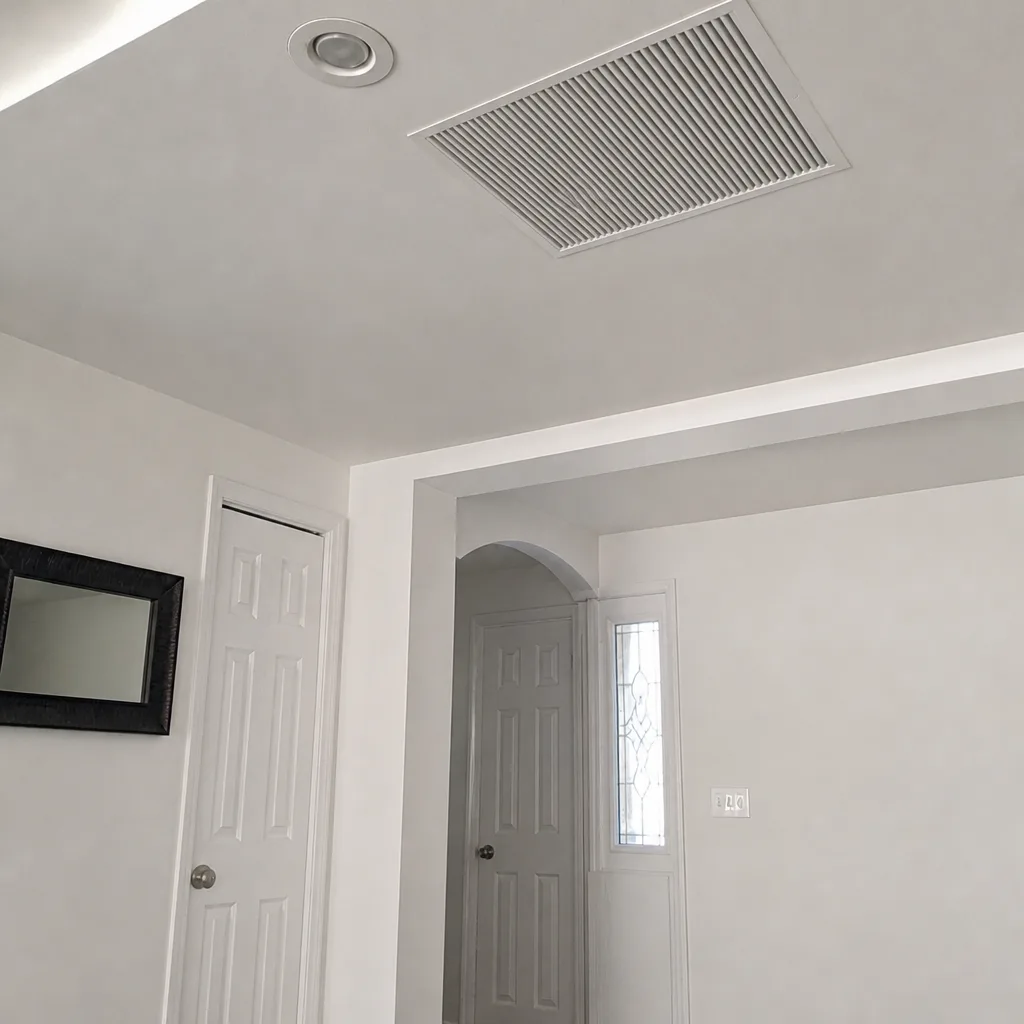
Whole-system duct and dryer vent check with before-and-after photos - you see exactly what came out of your vents
That "$99 whole-house special" is a bait ad - the real number appears once they are in your hallway, or the "clean" is a shop-vac at the register. We photograph the inside of your ducts before and after instead.
Choosing the Right Air Duct Cleaning Brand: A Buyer’s Guide for Spring Hill
Most homeowners evaluate the company and never evaluate the equipment. That’s backwards. In air duct cleaning, the tools that show up at your door decide what actually leaves your ductwork: a rotary contact system and a HEPA-rated collection unit pull material off the walls and capture it, while a shop vacuum with a hose and a logo mostly moves dust around. The industry even has recognized equipment brands the way HVAC has Carrier and Trane, and knowing a few of them changes the questions you ask. This guide covers the equipment categories, the assessment standard professionals work to, and how to vet a contractor in Spring Hill before you book.
Quick Answer
The right air duct cleaning brand in Spring Hill is the one that can name its equipment by brand and model, explains how it matches tools to your duct configuration and contamination type, and works to the NADCA ACR standard as a minimum benchmark. A credible operation shows up with rotary contact cleaning plus HEPA-filtered vacuum extraction, not a single portable vacuum. Ask for equipment specifics before booking, and treat a vague answer as your answer.
Styles & brands we work with
- Whole-home duct cleaning
- Dryer vent cleaning
- Camera inspection
- Sanitizing & deodorizing
Table of Contents
- What equipment categories exist in professional duct cleaning?
- Why do truck-mounted systems outperform portable units?
- What does the NADCA ACR standard require, and how do you use it?
- How do you ask a contractor about their equipment?
- Single-equipment operations vs. multi-system specialists
- What makes Spring Hill duct systems different?
- How do you compare two duct cleaning quotes fairly?
What equipment categories exist in professional duct cleaning?
There are three equipment categories that matter, and a complete job uses all three in sequence. Missing any one of them changes the outcome.
- Rotary contact cleaning systems. These are powered brush or air-whipping tools fed through the duct run. A rotary brush physically loosens dust, dander and debris bonded to the duct wall, which is where most contamination actually sits. Rotobrush is the best-known brand in this category and the one most professional operations build around.
- HEPA-filtered vacuum collection units. Once material is airborne, something has to capture it. Nikro builds HEPA-rated collection units that trap fine particulate before it can escape into your home. Without proper collection, agitation just redeposits what the brush loosened.
- Negative air machines. Abatement Technologies equipment is used where contamination levels or job conditions call for true negative-air-pressure containment: allergens, mold spores, post-construction debris. This machinery keeps the work area under controlled pressure so particulate moves out of the living space, not into it.
We run Rotobrush rotary agitation with Nikro HEPA extraction as our standard pairing, with Abatement Technologies machinery on hand for jobs that need containment-grade capture. That combination is not marketing language. It’s the difference between brush-agitation plus HEPA extraction and a blowout that leaves the debris where it was.
Why do truck-mounted systems outperform portable units?
Truck-mounted vacuum systems generate substantially more sustained airflow than portable units, and that airflow is what carries loosened material out of long duct runs. In a large Spring Hill home with a long trunk line and multiple branches, a portable vacuum can lose suction at the far end of the system. The technician agitates debris at a register, but the collection unit can’t pull it back. Material settles downstream.
A truck-mounted system holds high vacuum over a longer run, which is why it handles large or heavily contaminated systems more reliably. For a single-return condominium or a small townhome, a well-chosen portable HEPA unit can do honest work. For a 2,500-square-foot house with twenty registers, the difference is real.
What matters when you’re evaluating a company is not just whether they advertise a truck, but how they match the system to your home. A specialist will ask about square footage, number of returns, duct material and any recent renovation before deciding which configuration to bring. That’s a different conversation than a company quoting a flat per-vent rate over the phone.
Spring Hill’s housing mix makes this practical question worth asking. Tract homes built through the 2000s often have flexible duct runs in the attic, and flexible duct has more surface texture than sheet metal. Dust clings to it. That calls for gentle rotary contact cleaning and steady collection rather than a high-pressure blast that can damage the duct liner.
What does the NADCA ACR standard require, and how do you use it?
NADCA, the National Air Duct Cleaners Association, publishes the ACR standard: Assessment, Cleaning, and Restoration. It’s the industry’s governing document on how a duct system should be evaluated, cleaned and returned to service, and it specifies equipment expectations at each stage. You don’t need to memorize it. You need to know it exists and use it as a floor.
Here’s how the standard applies in practice:
- Assessment first. A professional looks before cleaning. Source removal starts with understanding what’s in the system and where it came from.
- Source removal, not encapsulation. Contaminants are physically removed, not sealed in place. That requires contact cleaning plus capture.
- Containment where warranted. Heavier contamination and remediation work call for negative pressure and HEPA-level filtration.
- Verification. Before-and-after documentation shows what changed.
When you evaluate a company in Spring Hill, ask directly whether they work to the NADCA ACR standard. A specialist answers without hesitation and can explain how each stage applies to your home. A generalist who performs duct cleaning as an upsell between HVAC calls usually can’t.
Also ask whether the technicians understand the air quality equipment downstream of the ducts. We work with Honeywell and Aprilaire filtration systems regularly, and that matters because a clogged high-efficiency filter or a poorly maintained media cabinet changes what ends up inside the ductwork. Cleaning ducts without understanding the filtration system is only half a job.
How do you ask a contractor about their equipment?
Ask specific, model-level questions before you book. The quality of the answer tells you almost everything, because a specialist talks about their equipment the way a mechanic talks about their tools: plainly and specifically.
Use these questions in order:
- What rotary contact cleaning system do you use? You’re listening for a brand, not a description. Rotobrush is the benchmark answer.
- What vacuum unit do you bring, and is it HEPA-rated? Nikro is a recognized name here. A company that can’t answer this is probably bringing a shop vacuum.
- Do you have negative air machine capability for heavier contamination? Abatement Technologies equipment is the remediation-grade answer.
- How do you decide which equipment configuration to use on my home? This tests whether they assess first or apply one setup to everything.
- Will I see before-and-after photos of my own ductwork? Documentation is the only honest proof the work happened.
- Do you work to the NADCA ACR standard? A yes with an explanation is credible. A shrug is not.
If a contractor can’t or won’t name their equipment, that’s your answer. There’s no reason a legitimate specialist would hide the tools they use. In our experience, companies that dodge these questions are running the same portable vacuum on every job and charging the same price regardless of what the system needs.
Single-equipment operations vs. multi-system specialists
A single-equipment operation brings one vacuum and runs the same procedure on every house. A multi-system specialist assesses the contamination type and duct configuration, then matches equipment to the job. The difference shows up in the results, not in the sales pitch.
Consider the range of conditions found in Spring Hill duct systems:
- Routine dust and pet dander in a well-maintained home calls for rotary agitation and HEPA extraction, and nothing more.
- Post-renovation debris from a bathroom or kitchen project calls for careful collection and containment so drywall dust doesn’t migrate through the system.
- Allergen concerns in a home with young children or a family member with respiratory sensitivity calls for HEPA-level capture throughout.
- Duct damage found during cleaning calls for repair capability, which most cleaning-only companies don’t offer.
We built our service line around this problem. Air duct cleaning, dryer vent cleaning and air duct repair are the only three services we perform, and every technician is trained in duct systems specifically. A multi-trade company splits attention across plumbing, electrical and HVAC installation. A single-trade focus is why we can recognize when a duct run needs repair rather than just a cleaning, and why we keep Abatement Technologies equipment on hand for contamination-level work rather than declining the job.
Spring Hill’s mild winters mean the HVAC system runs nearly year-round. Continuous operation moves more air through the ductwork, which accelerates dust accumulation. That’s one reason a single annual check makes more sense here than the “every three to five years” advice you’ll read for colder climates.
What makes Spring Hill duct systems different?
Spring Hill’s housing stock spans several eras of construction, and each era left behind different duct configurations. Understanding yours changes what equipment your contractor should bring and what questions are worth asking.
Subdivisions developed through the 2000s and 2010s typically use flexible duct routed through attic space. Flexible duct has more surface texture than galvanized sheet metal, so dust and dander cling more readily. Routine rotary agitation with steady HEPA collection is the right approach. High-pressure blasting can damage the inner liner.
Older neighborhoods around Spring Hill may have rigid galvanized trunk lines with heavier accumulation. These respond well to a more aggressive rotary pass and stronger sustained collection. A company that only owns one portable vacuum will quote the same price and do the same mediocre job on both.
Dust and allergens in Spring Hill are also seasonal in a particular way. Pollen loads in spring and early summer are heavy, and homes that run their systems with windows open part of the year pull in more organic particulate. Pet dander adds to the load in the many households here with dogs and cats. That’s the material a proper clean actually removes.
If you’re moving into a home in Spring Hill or finishing a renovation, the timing question is worth a phone conversation. Post-construction dust settles into every branch, and it’s better to clean it out than to blow it through the living space. Our air duct cleaning work covers both routine and post-renovation conditions, and the assessment comes first.
How do you compare two duct cleaning quotes fairly?
Compare quotes on scope and equipment, not price alone. Two identical-looking prices can cover wildly different work: one cleans the accessible branches with a portable vacuum, the other performs full source removal with rotary agitation, HEPA capture and documentation. That second job takes longer and costs more, and it does more.
Build a side-by-side comparison around these points:
- Equipment named by brand. If one quote specifies rotary contact cleaning and HEPA extraction and the other doesn’t, the quotes aren’t comparable.
- What’s included. Supply registers, return registers, the main trunk, the air handler cabinet. Ask which of these are covered.
- Total price for the whole system. A flat price per system agreed before work starts, not a per-vent rate that grows as the technician counts registers.
- Documentation. Before-and-after photos of your own ducts.
- Repair capability. Ask what happens if damage is found. A cleaning-only company patches around it; a specialist can quote the repair.
This is where a per-vent model becomes a problem. A low advertised number often converts into a much larger invoice once the technician is on site and counting registers. A specialist quotes the system, agrees one flat price before work begins, and matches the equipment configuration to what your home actually needs.
Our view is that a written estimate should set the final price. If the scope changes because the assessment finds something unexpected, that’s a conversation before the work continues, not a surprise on the invoice. Call duct cleaning Spring Hill for a free estimate and we’ll walk you through what your system needs.
Common Mistakes to Avoid
- Booking on price alone. The lowest quote in Spring Hill is usually the one that brings one portable vacuum and calls it a cleaning. Cheaper almost always means less scope, not better value.
- Not asking for equipment specifics. A company that can’t name its rotary system or its collection unit is telling you something. Listen to it.
- Accepting a per-vent price. Per-vent quotes are designed to scale up once the technician starts counting. Ask for a whole-system price in writing.
- Skipping the assessment. Any company that quotes without asking about your duct material and configuration is guessing. A specialist assesses first.
- Ignoring the dryer vent. The dryer vent is part of the same air handling picture and a leading cause of residential fires. Our dryer vent cleaning covers that separately, but ask whether the company that cleans your ducts will also check it.
- Choosing a generalist for a specialist job. A company splitting attention across plumbing, electrical and HVAC installation isn’t trained specifically in duct systems. The tool choice problems follow from the focus problem.
- Believing “we cleaned your ducts” without proof. No photos, no verification. You’re paying for work you can’t see. Ask to see before-and-after images of your own system.
See the difference
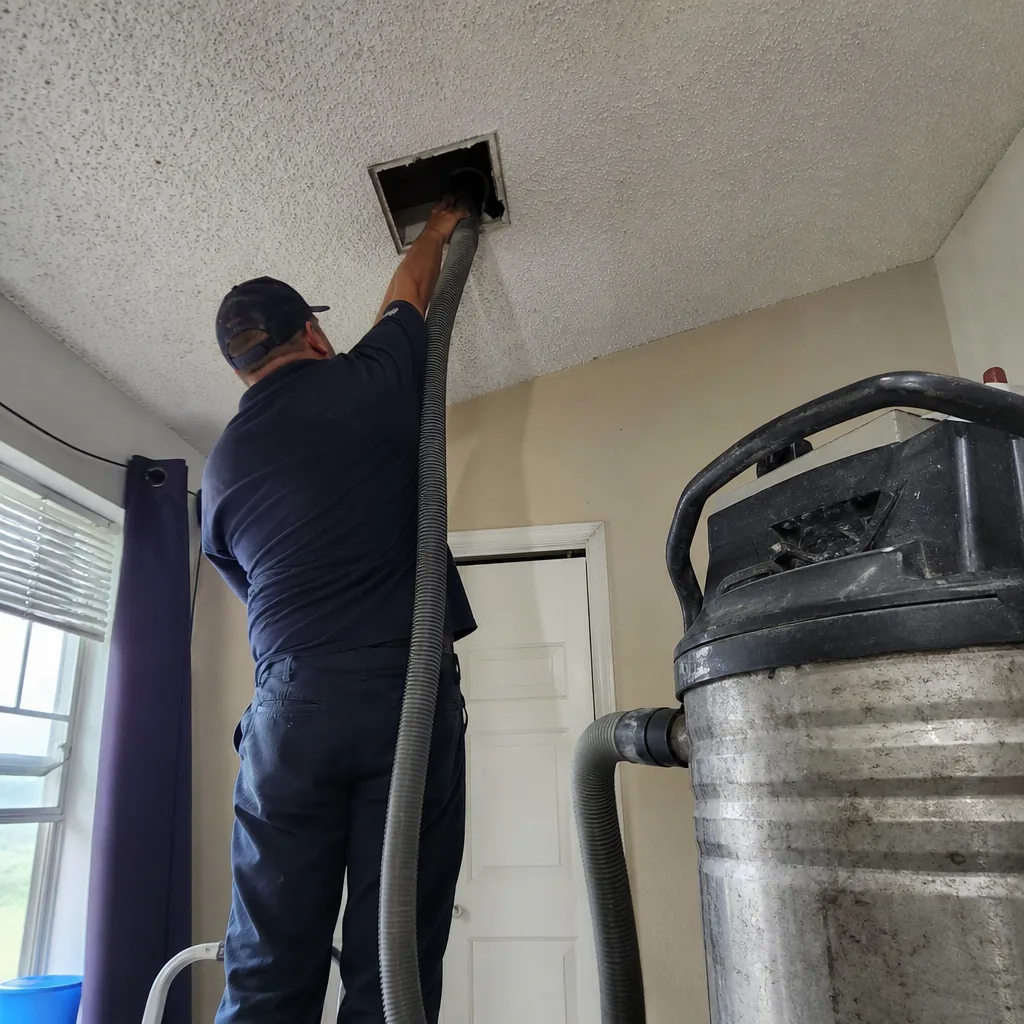 Before
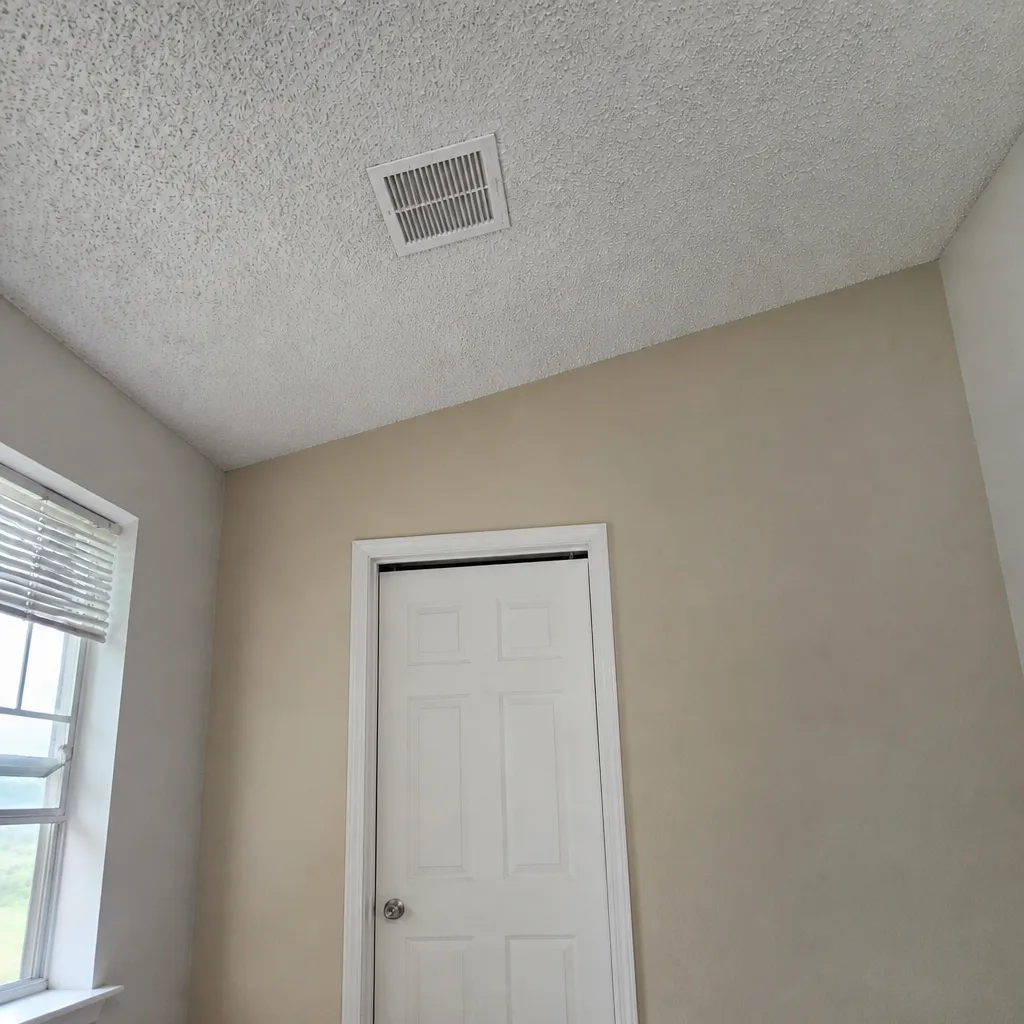 After
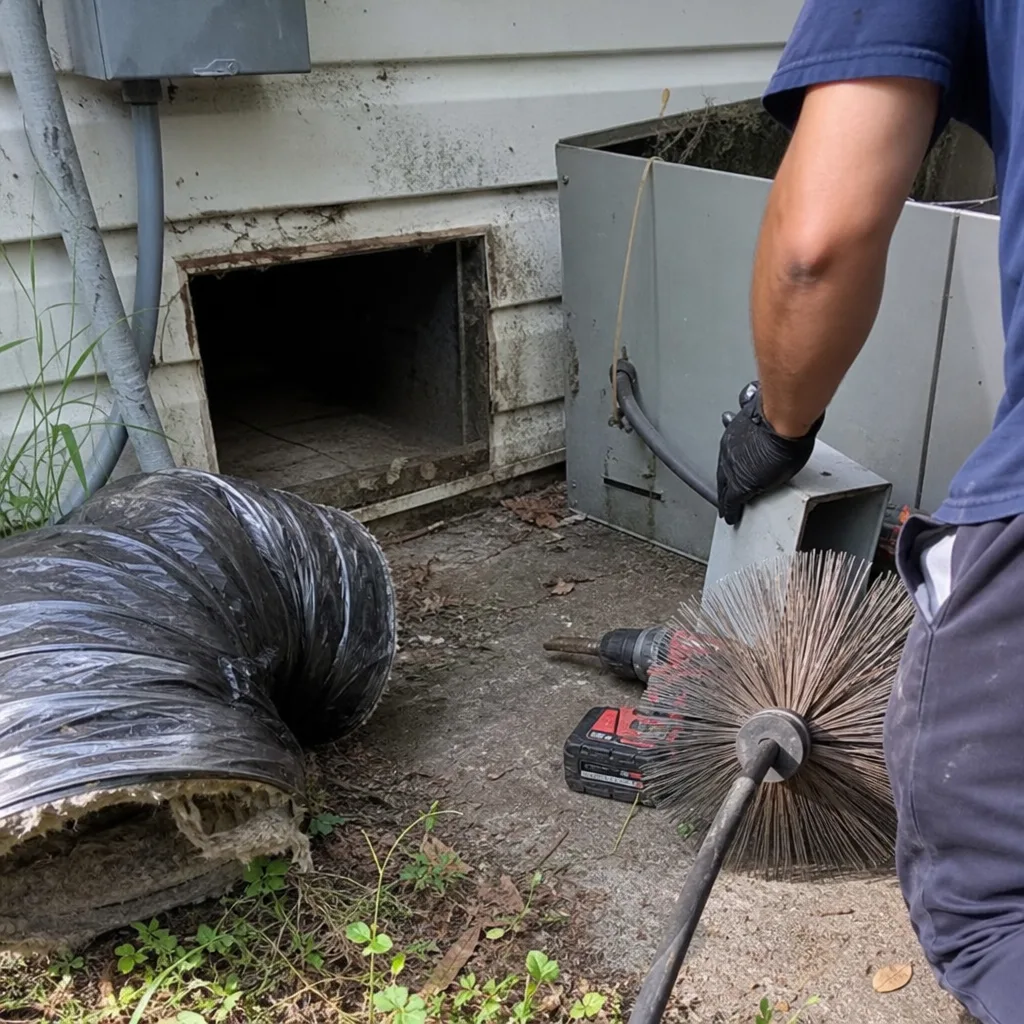 Before
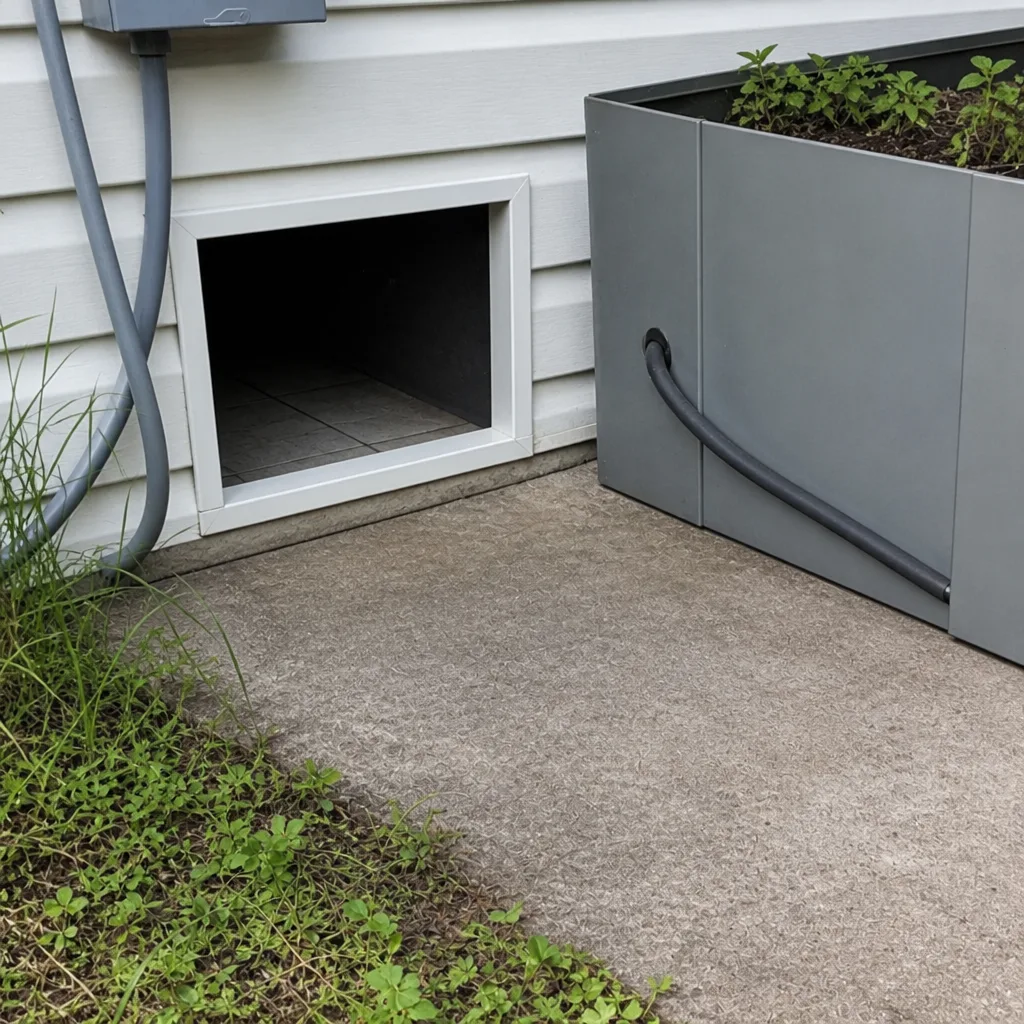 After
 Before
 After
When to Call a Professional
Not every home needs duct cleaning on a schedule. Some conditions clearly call for it. If you see visible dust blowing from registers when the system starts, if you notice increased allergy symptoms indoors, if you’ve just finished a renovation or moved into a home in Spring Hill with unknown cleaning history, or if you have pets and the return registers collect visible dander, a professional assessment is worth the call. The same applies if you’ve never had the system looked at and the home is more than a few years old.
Duct Cleaning Spring Hill offers free estimates in Spring Hill. Call (833) 858-5701. We answer 24/7. Fast dispatch from 7am to 7pm, Sunday through Friday. One flat price per system agreed before work starts, and before-and-after photos of your own ducts.
Frequently Asked Questions
The one you can verify: it names its equipment by brand, works to the NADCA ACR standard as a minimum, quotes a flat price for the whole system in writing, and provides before-and-after photos of your ducts. Ask those four questions of any company and the answer becomes clear. Our technicians have up to 9 years of experience and we’re glad to answer them directly. Call (833) 858-5701 for a free estimate.
Pricing in the Spring Hill market depends on the number of HVAC systems, the duct material, accessibility, and the level of contamination, so a responsible company quotes per system after a brief assessment rather than a per-vent rate. The exact figure is set by the written estimate, and the estimate itself is free. Call (833) 858-5701 for an exact quote for your home.
Three categories: a rotary contact cleaning system such as a Rotobrush, a HEPA-rated vacuum collection unit such as a Nikro, and for heavier contamination, negative air machine capability from a manufacturer like Abatement Technologies. A single portable vacuum is not a professional setup.
Cheaper quotes usually cover less work with lesser equipment: fewer branches cleaned, no rotary agitation, a portable vacuum instead of HEPA extraction, and no documentation. The low price is real; the scope behind it isn’t full source removal. A quote that names the equipment and the scope you’re getting is the one to trust. Call (833) 858-5701 for a quote you can compare line by line.
Before-and-after photos of your own ductwork are the only honest proof. Ask to see them when the job is finished, from your system, not stock images. It’s also fair to ask what equipment was used and how much time the job took.
Most Spring Hill homes benefit from a professional assessment every few years, with cleaning as needed. Homes with pets, allergy sufferers, recent renovations or high dust load need it more often. Spring Hill’s mild climate means HVAC systems run nearly year-round, which accelerates accumulation. Call (833) 858-5701 for an assessment and a straight answer on whether you need cleaning or not.
The Bottom Line
Evaluate the equipment, not just the company. In Spring Hill, the difference between a real duct cleaning and a cosmetic one comes down to what the technician brings: rotary contact cleaning, HEPA-rated collection, and negative-pressure capability for heavier work. Ask contractors to name their brands and models before you book, confirm they work to the NADCA ACR standard, and insist on a flat whole-system price in writing with before-and-after photos. If you’re ready for a free estimate in Spring Hill, call (833) 858-5701. We answer 24/7. Fast dispatch from 7am to 7pm, Sunday through Friday. Clean ducts, repaired ducts, clear vents.
Written by the team at Duct Cleaning Spring Hill.