
Last updated November 15, 2026
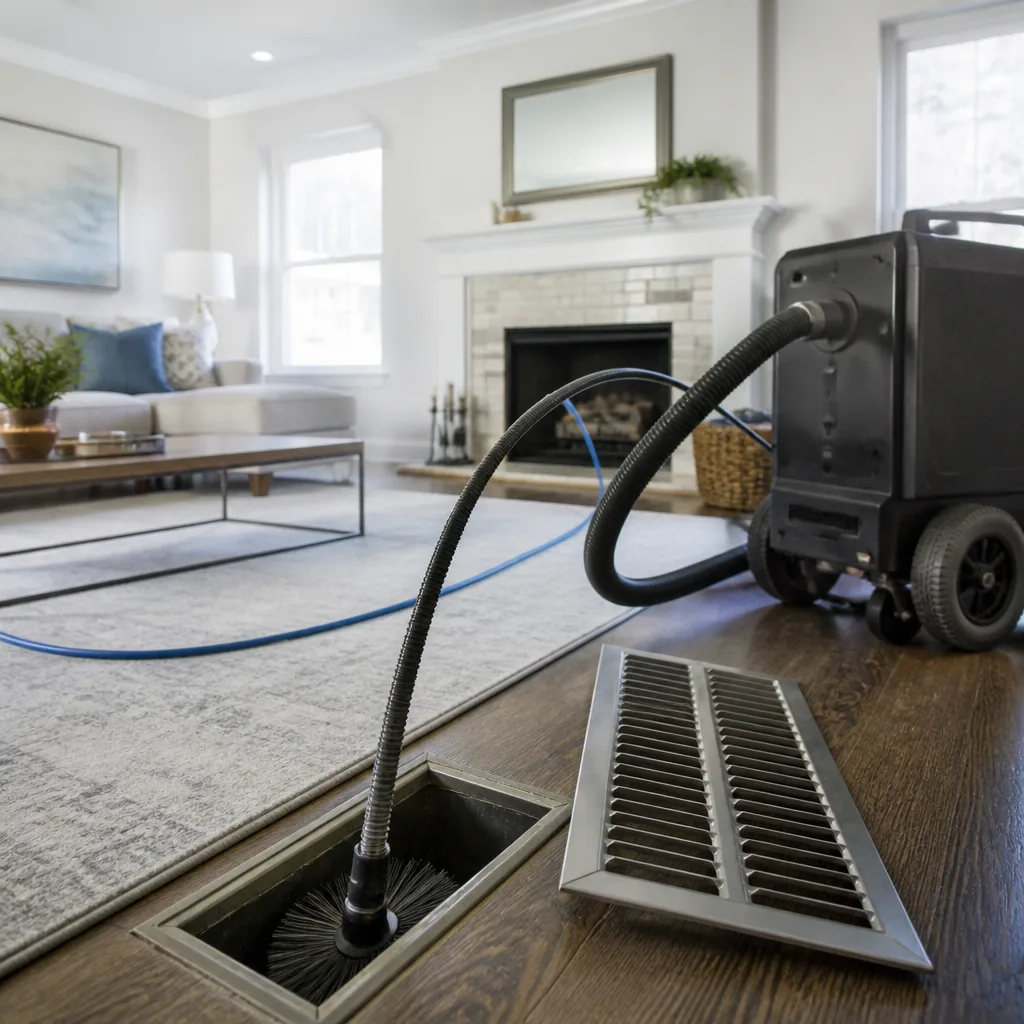 Whole-home duct cleaning
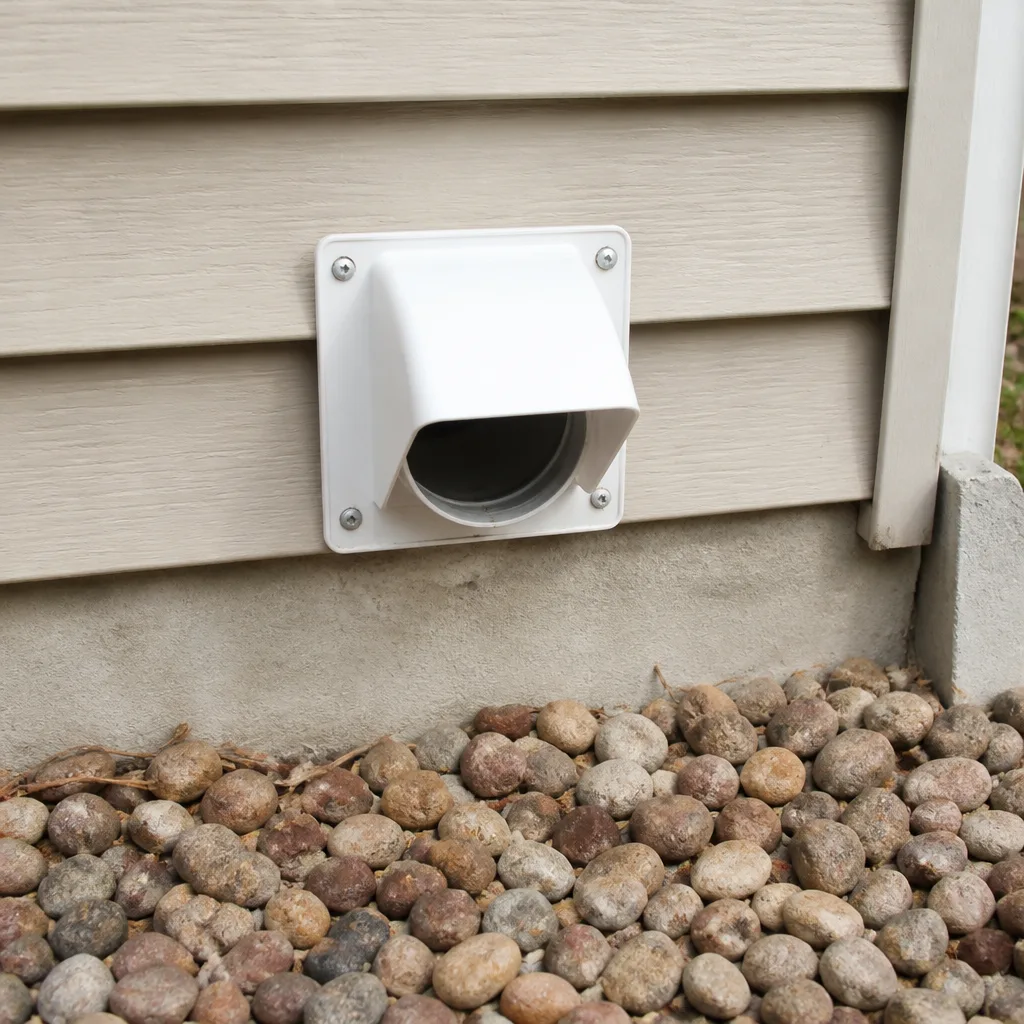 Dryer vent cleaning
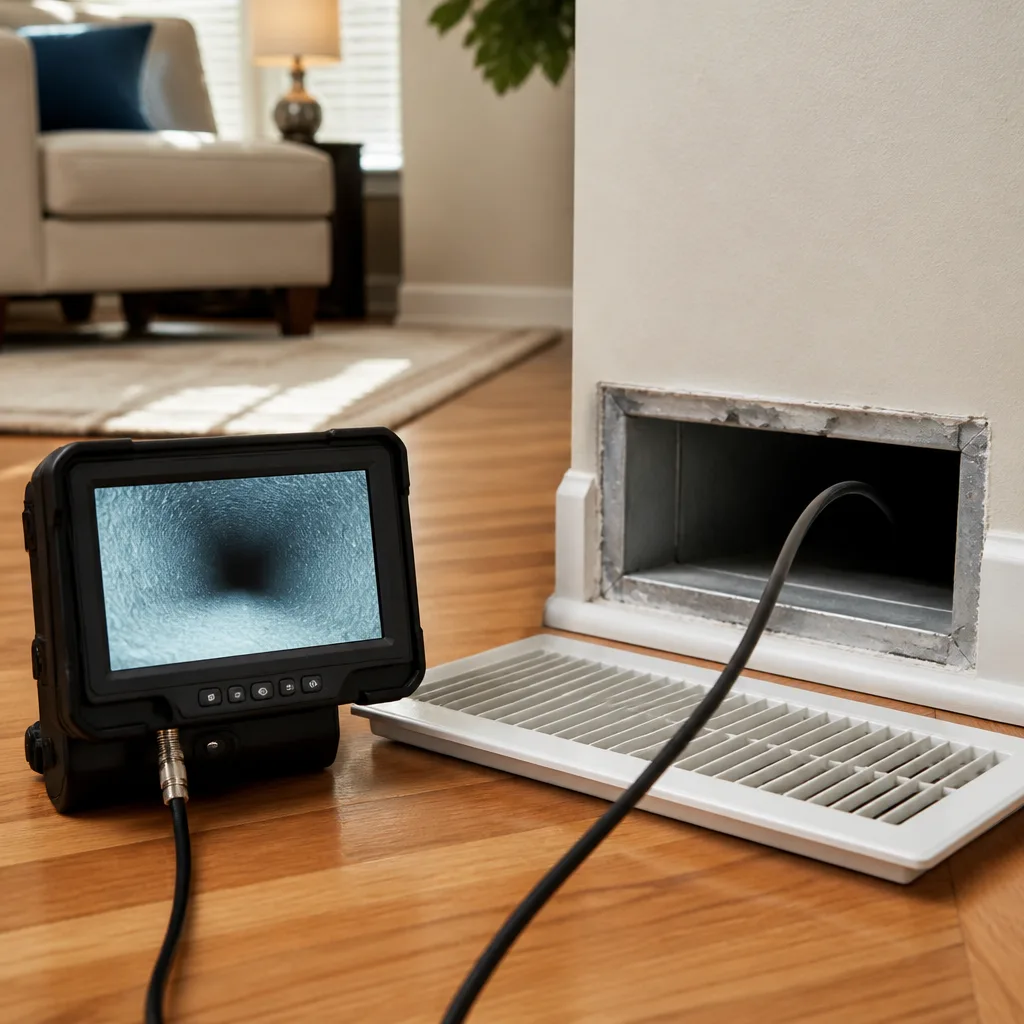 Camera inspection
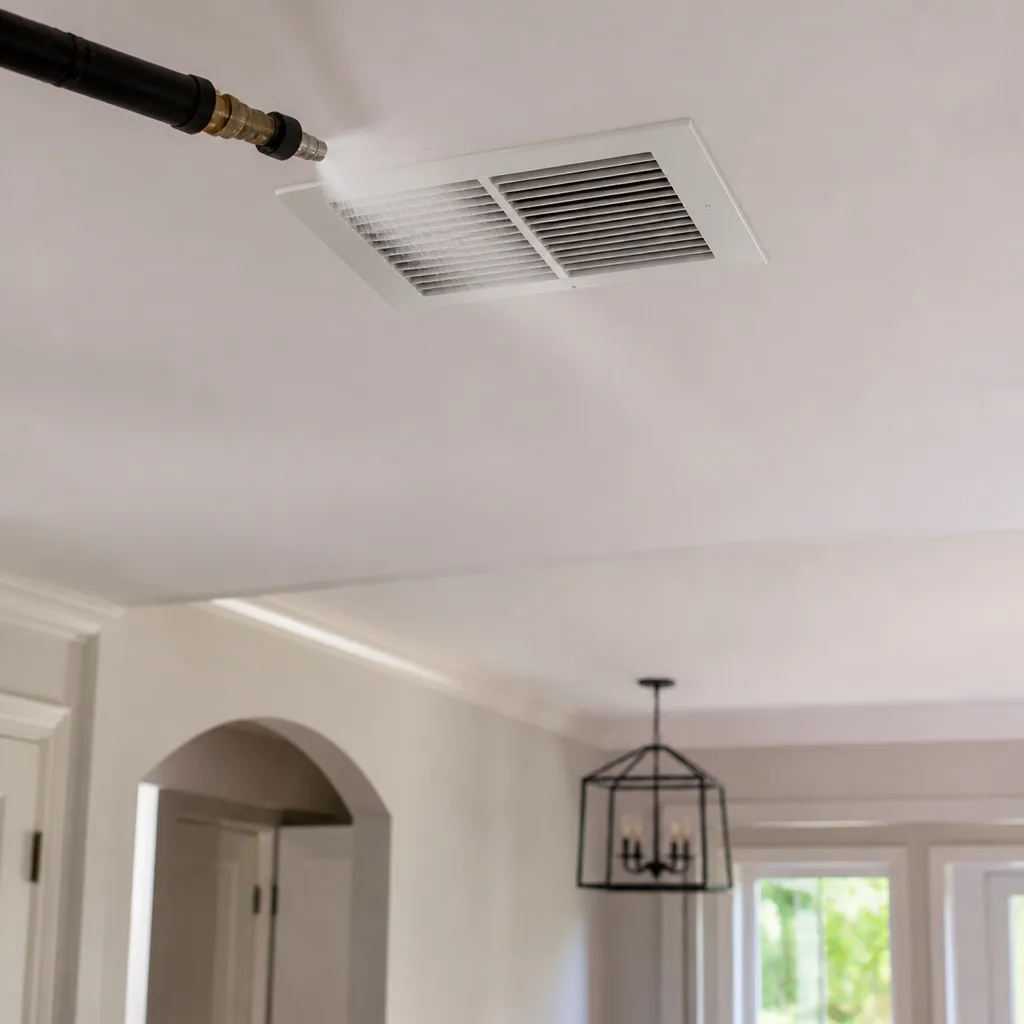 Sanitizing & deodorizing
Whole-system duct and dryer vent check with before-and-after photos - you see exactly what came out of your vents
That "$99 whole-house special" is a bait ad - the real number appears once they are in your hallway, or the "clean" is a shop-vac at the register. We photograph the inside of your ducts before and after instead.
Air Duct Cleaning Permits, Codes & Inspections in Spring Hill, FL: What You Need to Know
Most homeowners assume air duct cleaning is permit-free, and for routine cleaning they’re right. Here’s the part that surprises people: the moment a technician opens your duct system, finds torn liner or a disconnected run, and repairs it without a permit, you’ve got unpermitted mechanical work inside your walls and above your ceilings. Florida’s building code treats that repair as construction, not cleaning, and the paperwork gap can follow you to a future insurance claim or a home sale. This guide draws the line clearly between cleaning, which needs no permit, and duct work, which does. You’ll learn what Florida Building Code Section 603 governs, how Hernando County handles mechanical permits and inspections, and what to get in writing before anyone touches your ducts in Spring Hill.
Quick Answer
Routine air duct cleaning in Spring Hill, FL does not require a permit. Duct repair or replacement of ductwork does, and in Florida that work must be performed by a licensed mechanical contractor under a permit pulled through the Hernando County building department, with inspection afterward. Mold remediation inside ductwork crosses into a separate licensed category under Florida law. Cleaning alone is a service; anything that alters, replaces or seals the duct system is construction.
Styles & brands we work with
- Whole-home duct cleaning
- Dryer vent cleaning
- Camera inspection
- Sanitizing & deodorizing
Table of Contents
- Cleaning vs. Repair: Where Florida Draws the Legal Line
- What Florida Building Code Section 603 Actually Governs
- How Mechanical Permits Work in Hernando County
- What the Inspection Covers and Who Signs Off
- Mold in Ductwork and Florida Statute 489.1455
- What to Get in Writing Before Duct Work Begins
- Why Spring Hill Duct Systems Face Extra Wear
- Questions That Separate Cleaners from Contractors
Cleaning vs. Repair: Where Florida Draws the Legal Line
Florida separates the act of cleaning a duct system from the act of altering it, and the distinction isn’t semantic. Cleaning removes accumulated dust, dander, debris and biological growth from the interior surfaces of ductwork that stays exactly where it is. Repair changes the system: reconnecting a separated joint, replacing a crushed flex run, removing and reinstalling duct board, sealing a leak, or swapping out a damaged section. That second category is mechanical work under Florida law.
The practical test we use is simple. If the ducts go back exactly as they came out, with no new material, no reconnection and no alteration to the assembly, you’re looking at cleaning. If anything about the physical system changes, you’re looking at permitted mechanical work that a licensed mechanical contractor has to pull and perform.
- Cleaning (no permit): brush agitation and vacuum extraction of the interior duct surfaces, register and grille cleaning, blower compartment cleaning where accessible, and dryer vent cleaning.
- Repair (permit and license): replacing flex duct runs, reconnecting disconnected sections, replacing duct board or rigid duct, changing duct routing or sizing, and installing new duct segments.
- Sealing (permit and license in most cases): mastic or tape sealing of joints as part of a repair or new installation. Sealing as a standalone service sits in a gray zone, and any contractor offering it should be able to tell you how the work is being permitted.
- Mold remediation (separate license): treatment of mold growth that goes beyond surface cleaning, which we cover further down.
This matters in Spring Hill because the housing stock spans several decades of construction. Homes built in the 1980s and 1990s around neighborhoods like Spring Hill and Timber Pines often have flex duct that has sagged, kinked or come loose at the collar over time. What starts as a routine air duct cleaning visit can turn into a repair conversation, and that’s the exact moment the permit question becomes live.
What Florida Building Code Section 603 Actually Governs
Florida Building Code Section 603 is the mechanical chapter provision that covers duct systems: materials, installation, leakage, support, and the requirement that ductwork be installed and maintained to deliver the design airflow without excessive leakage. It sets minimum standards for how duct systems are built and how they must perform. It does not have a clause that says “cleaning requires a permit,” because cleaning isn’t construction. What Section 603 does is establish that ductwork is a regulated building component with specific installation requirements.
That framing is what makes the permit question answerable. When ductwork is installed, altered or replaced, Section 603 applies, and in Florida the code is enforced through the local building department’s permitting and inspection process. A mechanical permit exists so that an inspector can confirm the work meets the code’s requirements before it’s closed up behind drywall or buried in attic insulation.
For Spring Hill homeowners, Section 603 shows up in a few concrete ways:
- Duct systems must be supported and sized per the code, so a repair that reroutes or resizes a run isn’t a judgment call, it’s a design decision.
- Leakage matters. A duct system that’s substantially leaking isn’t just wasting energy, it’s out of compliance with the intent of the section, which is why repairs to restore the system are treated as regulated work.
- Materials have to be listed and labeled for the application, which is one reason a licensed contractor’s material choices matter. A flex run pulled from a big-box shelf isn’t automatically the right product for a hot Florida attic.
We don’t perform permitted mechanical work, because that requires a licensed mechanical contractor. What we do is tell you, clearly and before we start, when what we’ve found crosses from cleaning into repair territory, so you can decide how to handle it. That’s a conversation worth having before anyone’s tools come out, not after.
How Mechanical Permits Work in Hernando County
Hernando County’s building department issues the mechanical permits that cover duct repair and replacement in Spring Hill. The process is straightforward, but it runs through the licensed contractor, not the homeowner, and the sequence matters if you want the work documented properly.
- Scope is defined. The contractor identifies exactly which duct sections are being repaired or replaced, in writing, before anything is ordered or cut.
- The permit application is filed. The licensed mechanical contractor submits the application to Hernando County with the scope of work. The homeowner’s role here is to confirm the permit is actually pulled and to get the permit number.
- The permit is issued and work begins. Work proceeds under the permit. Unpermitted work is not the same as permitted work performed on a handshake.
- Inspection is requested. The contractor calls for inspection at the appropriate stage, which for duct work generally means after installation and before the system is closed up or the job is finished.
- The inspection passes and the permit closes. A closed permit is the record that the work was done to code by a licensed contractor.
What trips people up is step two. A homeowner hires someone to “fix the duct” and never learns whether a permit was pulled. Months later, during a home sale or an insurance claim review, the work is unpermitted, and the burden lands on the property owner. Spring Hill has a lot of homes that have changed hands and been renovated over the years, and unpermitted mechanical work is one of the things a buyer’s inspector finds. Pulling the permit isn’t bureaucracy; it’s the difference between documented work and a liability you inherit.
If you’re planning a larger renovation and want to know how the duct work fits in, the place to start is a conversation about Spring Hill code requirements with the contractor doing the mechanical work, then a separate cleaning conversation once the construction dust has settled. Post-construction debris inside ductwork is its own problem, and it’s one we handle with equipment rated for it rather than a shop vacuum.
What the Inspection Covers and Who Signs Off
A Hernando County mechanical inspection on duct work is not a duct cleaning inspection. It’s a code compliance inspection. The inspector is confirming that the installed or repaired ductwork meets Florida Building Code Section 603 requirements: materials, support, connections, and installation method. The inspector isn’t checking whether your ducts are clean, and cleaning quality isn’t part of the mechanical inspection scope.
That separation is worth understanding because it tells you who’s responsible for what:
- The licensed mechanical contractor is responsible for the permitted work meeting code, and for calling the inspection.
- The building department inspector signs off on code compliance, not cleanliness or indoor air quality.
- The cleaning specialist is responsible for the quality of the cleaning itself and for documenting what was found and what was removed.
In our experience, the cleaning documentation matters as much as the permit for a homeowner’s peace of mind. A proper job includes before-and-after photos of your own ductwork, not stock images, so you can see what came out and what the interior looked like afterward. That’s the record that the work was actually performed, and it’s what we build every job around: Rotobrush rotary brush agitation to loosen material from the duct walls, paired with Nikro HEPA-rated vacuum extraction to capture it rather than blow it into your living space. On jobs with heavier contamination, allergen loads or post-construction debris, Abatement Technologies equipment is on hand for true negative-air-pressure containment. That’s the equipment difference between cleaning and a blowout, and it’s what makes the before-and-after documentation meaningful rather than decorative.
When a permit and inspection are involved on the repair side, keep the permit number and the final inspection record with your home’s paperwork. It’s the kind of thing that’s easy to lose and annoying to reconstruct later.
Mold in Ductwork and Florida Statute 489.1455
Mold growth inside ductwork is where the legal picture gets more layered. Surface dust and biological growth that can be removed by cleaning is one thing. Mold remediation, meaning a project to remove and address mold contamination in a defined area, is regulated separately in Florida, and Florida Statute 489.1455 addresses mold-related services and the licensing framework for them. The short version: a duct cleaning company’s job is cleaning; mold remediation is a licensed category of work with its own scope, protocols and documentation.
What this means for a Spring Hill homeowner is that “mold in the ducts” needs a careful diagnosis before anyone quotes a remediation project. Three questions matter:
- Is there visible growth, or are we talking about elevated spore counts in the air? Those are different findings with different responses.
- What’s the moisture source? Ductwork in a Florida attic sweats. Condensation on uninsulated or under-insulated duct runs, high indoor humidity, and a cooling system that runs long cycles all create conditions where growth can take hold. Cleaning the growth without addressing the moisture does nothing permanent.
- Does the scope cross into remediation? If it does, you want a contractor licensed for that work and a written scope and protocol that reflects it, not a cleaning invoice that quietly expanded into something else.
We stay in our lane on this. Our scope is air duct cleaning, dryer vent cleaning and air duct repair. When a duct system shows conditions that call for licensed remediation, we tell the homeowner plainly and hand the conversation to the right professional rather than stretching our scope. That’s also why our technicians know the filtration side of the system: an Aprilaire or Honeywell filter and air quality setup affects how much particulate reaches the ducts in the first place, and cleaning recommendations should account for the whole picture rather than just the duct interior.
What to Get in Writing Before Duct Work Begins
Before anyone performs duct work beyond cleaning in Spring Hill, get the scope in writing. Not a verbal description, not a text message. A written scope does three things: it establishes exactly what’s being done, it establishes who’s licensed and permitted to do it, and it gives you a record if the work is ever questioned.
Here’s what a written scope should include:
- The specific duct sections involved, described by location, not “some duct repairs.”
- The permit number if a permit is required, and who’s pulling it.
- The name and license category of the contractor performing the mechanical work, if it’s separate from the cleaning company.
- Whether inspection is included in the quoted price, and who schedules it.
- The materials being used, including duct type and any sealing materials.
- What’s excluded, because the exclusions are where disputes come from.
For a cleaning-only job, the written scope looks different but shouldn’t be skipped. We set one flat price per system before work starts, agreed and written, with no per-vent pricing and no surprises on the invoice. That’s our answer to the industry’s reputation for a low advertised number that becomes a much larger bill once the technician is on site. The written estimate sets the final price, full stop.
Why Spring Hill Duct Systems Face Extra Wear
Spring Hill’s climate is the reason duct systems here don’t get a quiet retirement. Long cooling seasons mean the air handler and duct system run for most of the year, and the humidity that comes with a warm, wet climate is hard on duct insulation and on the interior surfaces of the system. Attics get hot enough that any gap in duct insulation becomes a condensation point, and condensation is what feeds biological growth and degrades duct board over time.
The practical effects we see in Spring Hill homes:
- Flex duct that has sagged or come loose at the collar over years of thermal cycling. That looseness is a repair item, not a cleaning item, and it’s one of the most common reasons a cleaning visit turns into a bigger conversation.
- Dander and dust loads that build faster in homes with pets and with the system running nearly year-round. The duct system acts as a settling chamber for whatever the filter doesn’t catch.
- Post-renovation debris in homes around Spring Hill that have been updated over the years. Drywall dust, sawdust and construction grit in ductwork is a different cleaning job than routine dust, and it needs the containment and extraction equipment to match.
- Humidity-driven growth in duct systems serving rooms that stay closed and cool while the rest of the house stays warm and humid, which creates the temperature differentials that cause condensation on duct surfaces.
None of that is a reason to panic, and none of it changes the permit rules. It’s context for why a Spring Hill duct system is worth looking at rather than assuming, and why the inspection findings from a proper cleaning visit are useful information for a homeowner. If you also want the dryer vent addressed while we’re there, that’s a separate line item and a separate service: dryer vent cleaning addresses one of the leading causes of residential fires directly, and it’s part of our scope for exactly that reason.
Questions That Separate Cleaners from Contractors
When you’re hiring for duct cleaning in Spring Hill, the questions you ask tell you what kind of company you’re dealing with before any equipment comes out of the vehicle. Some of these are about permits. Some are about equipment. Both matter.
- “Is the work I’m being quoted cleaning, or repair?” If the answer is “both,” ask which part requires a permit and who’s licensed to do it.
- “What equipment will you use?” A single consumer-grade vacuum is not a professional cleaning system. We use Rotobrush brush agitation with Nikro HEPA extraction, and Abatement Technologies equipment for contaminate-level work. Ask what the company you’re considering uses, and why.
- “Will I get before-and-after photos of my own ducts?” Not stock photos, not a generic gallery. Your ducts, before and after.
- “Is the price per system or per vent?” Per-vent pricing is the structure that produces the bait-and-switch complaints people write about online. One flat price per system, written before work starts, is the structure that prevents them.
- “Can you repair ductwork, or only clean it?” Cleaning-only companies can’t fix what they find, which is why the repair sometimes gets quietly deferred or done without a permit by someone who shouldn’t be doing it. We offer air duct repair, which means the damage gets documented and handled rather than ignored.
- “If the cleaning turns up a repair, what happens?” The answer should be a written scope, a license check, and a permit if required. Not a verbal “we’ll take care of it.”
- “Do you understand my filtration system?” A company that knows Honeywell and Aprilaire equipment can tell you whether your filter setup is contributing to the dust load in your ducts.
These questions take five minutes and they filter out most of the problems before they start. They also cut both ways: a company with nothing to hide will answer them directly, and a company that can’t answer them is telling you something.
Common Mistakes to Avoid
- Assuming all duct work is cleaning. The most common mistake is treating a repair as a cleaning job. If the scope involves replacing or reconnecting ductwork, a permit is required and the work belongs to a licensed mechanical contractor.
- Not asking for the permit number. A homeowner who never asks is a homeowner who never learns whether the work was permitted. Ask, and keep the number.
- Hiring a cleaning company to do repair work. Cleaning-only companies sometimes offer to “fix that while we’re here.” Duct repair in Florida requires a licensed mechanical contractor, and a cleaning invoice doesn’t satisfy that requirement.
- Treating visible mold as a cleaning issue without addressing moisture. Cleaning the growth without finding the condensation source means it comes back. And if the scope is genuinely remediation, it needs the right licensed professional.
- Accepting a per-vent quote. A per-vent price invites the invoice to grow once the technician is on site. One flat price per system, written, is the safe structure.
- Skipping the written scope on a “small” repair. The smaller the job, the more tempting it is to skip paperwork. The smaller the job, the more likely it is to be the one that shows up as a problem during a future home sale.
- Not asking for documentation of the cleaning itself. Before-and-after photos of your own ductwork are the only real evidence the interior was cleaned. Without them, you’re taking a verbal assurance as proof.
See the difference
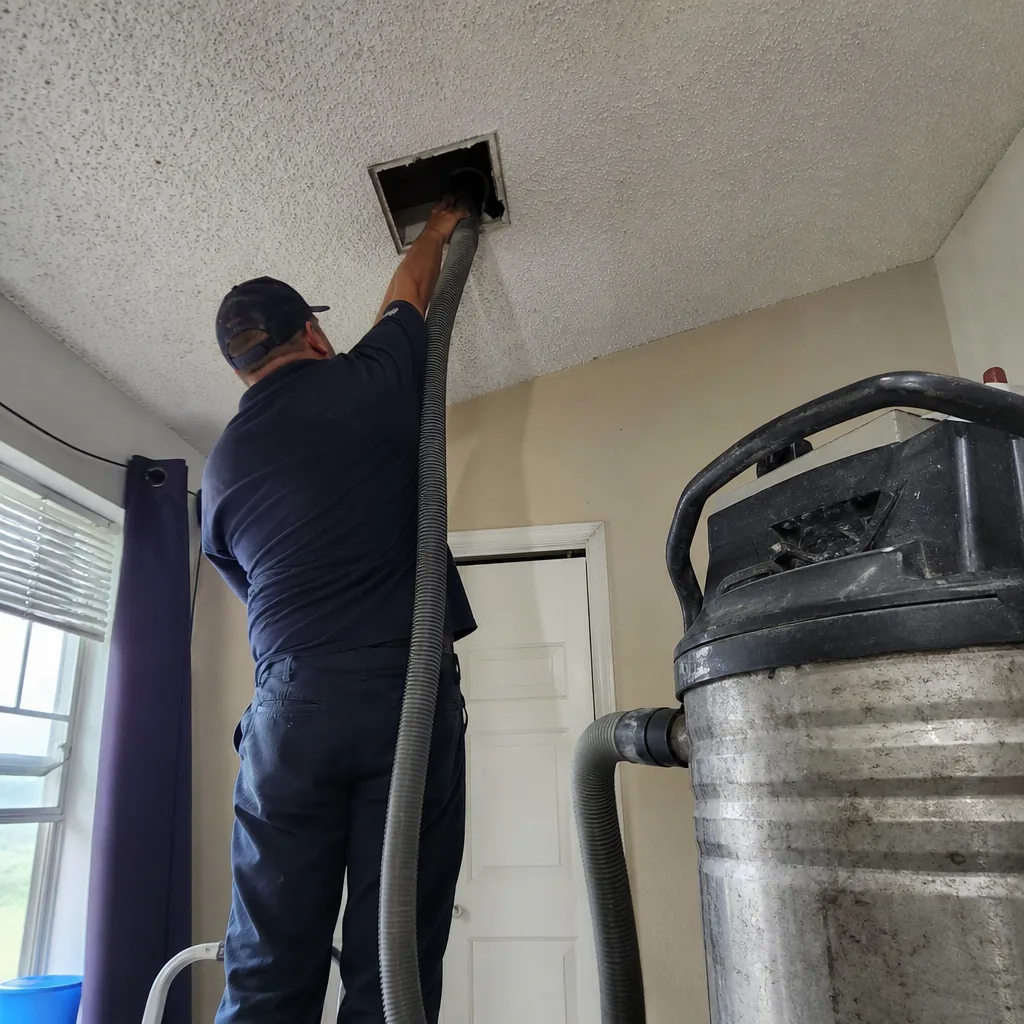 Before
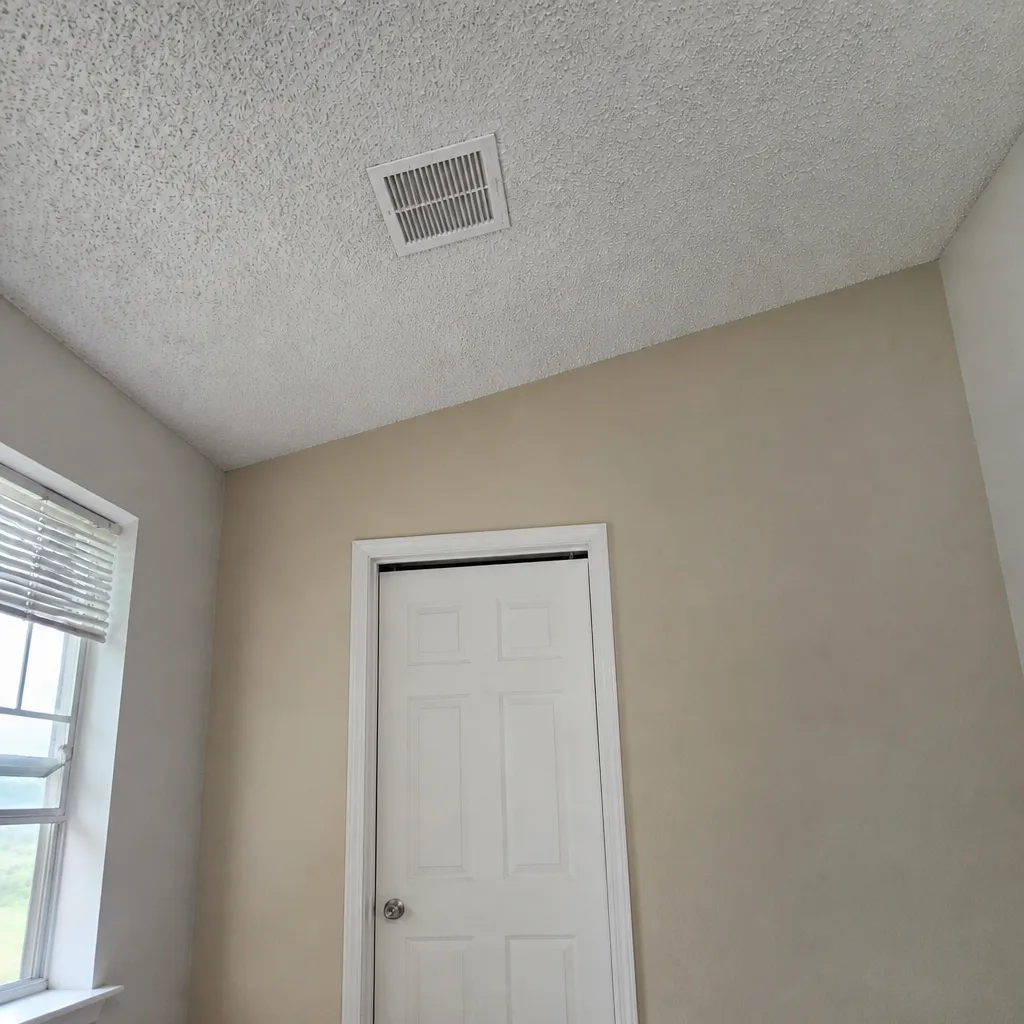 After
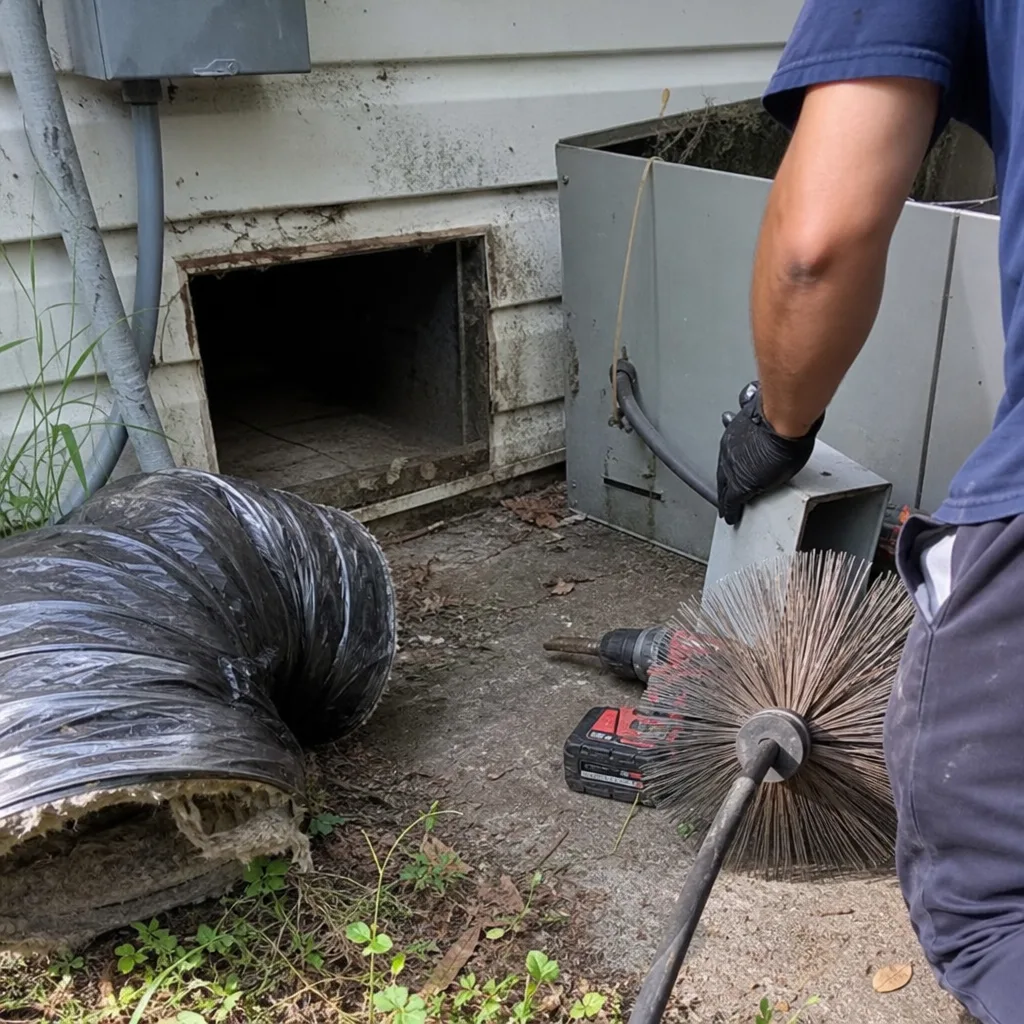 Before
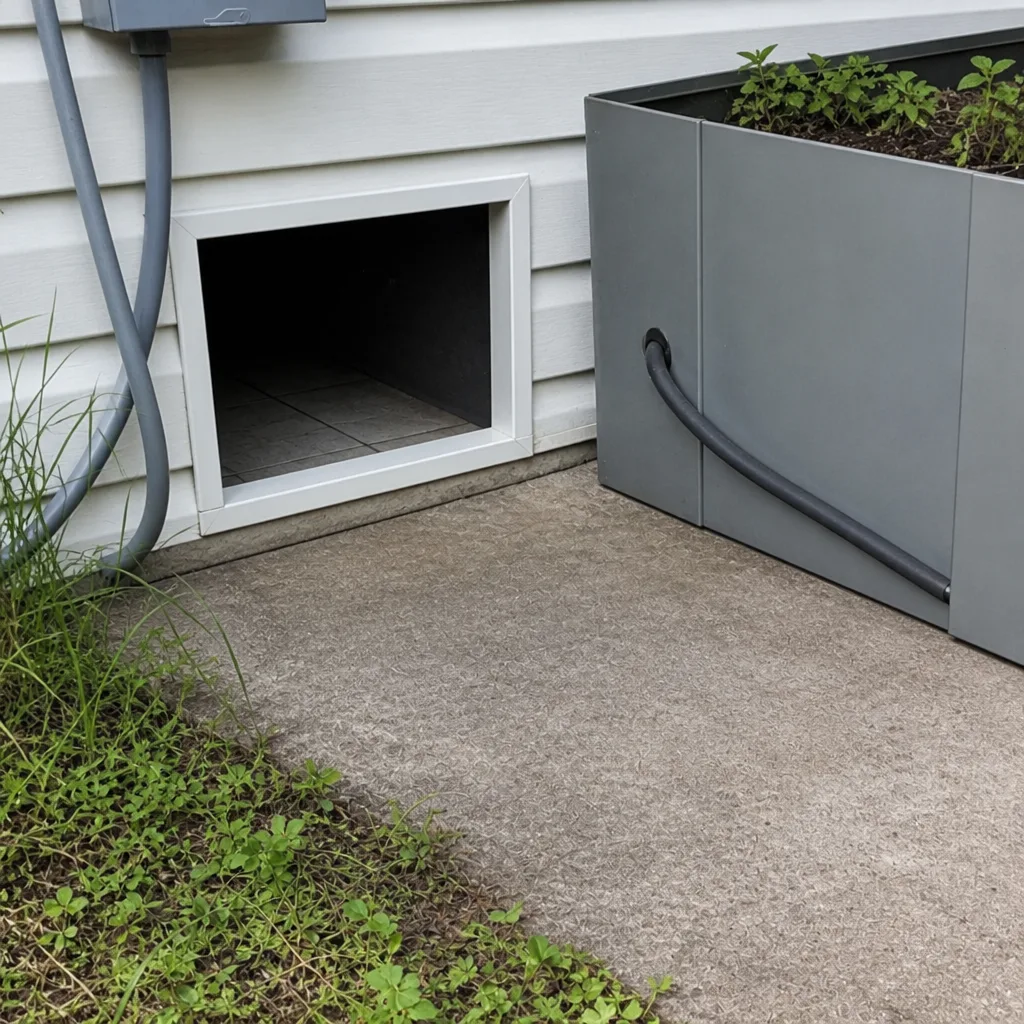 After
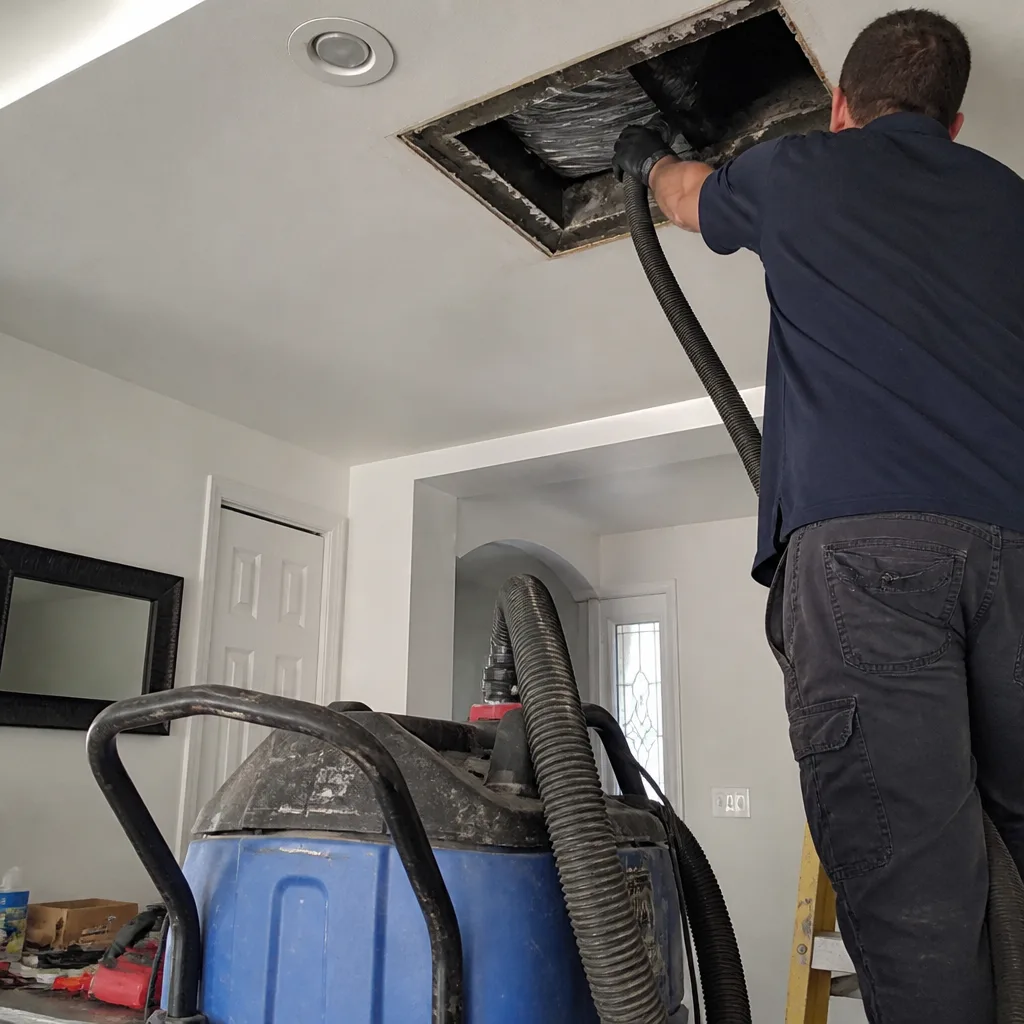 Before
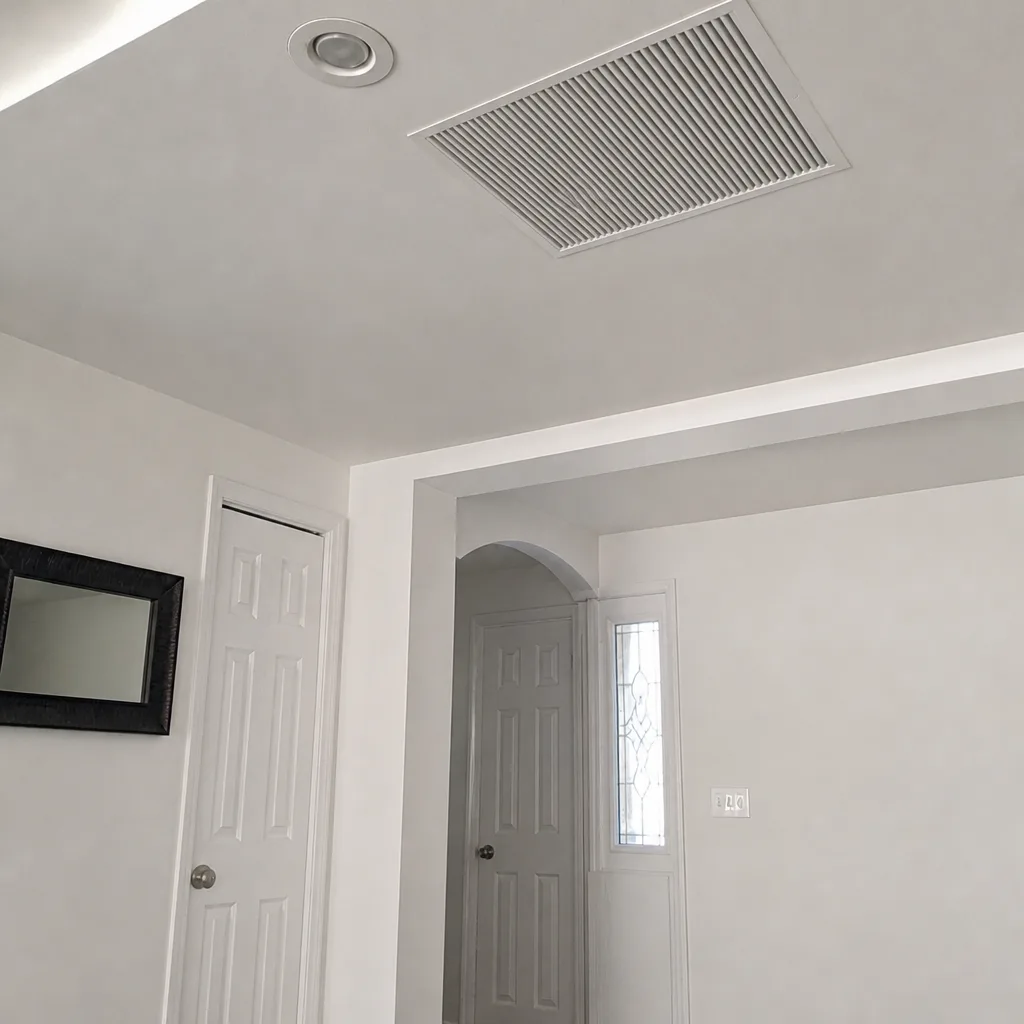 After
When to Call a Professional
Call a professional when the duct system shows signs that go beyond routine dust: visible debris blowing out of registers, a persistent musty smell when the system runs, a room that never seems to get enough airflow, or ductwork you can see sagging or disconnected in the attic. Call before you paint, before you finish a renovation, and before you list a home for sale. And call a licensed mechanical contractor for anything that requires a permit, because a cleaning visit isn’t the right venue for permitted repair work. Duct Cleaning Spring Hill offers free estimates in Spring Hill. Call (833) 858-5701. We answer 24/7. Fast dispatch from 7am to 7pm, Sunday through Friday.
Frequently Asked Questions
No. Routine air duct cleaning does not require a permit in Spring Hill, FL, because it doesn’t alter the duct system. Duct repair or replacement does require a mechanical permit through Hernando County and a licensed mechanical contractor to perform the work. The test is whether the physical duct system changes: if it does, a permit applies.
No, and the difference matters. Cleaning removes material from duct surfaces without altering the system. Repair changes the system by reconnecting, replacing, rerouting or resealing ductwork, which is construction under Florida Building Code Section 603 and requires a licensed mechanical contractor and a permit. A cleaning company should tell you when the work crosses that line, not handle it quietly.
It depends on the scope. Surface growth removable by cleaning is part of a cleaning job. Mold remediation as a defined project is a separately licensed category of work in Florida, addressed in Florida Statute 489.1455. If growth is widespread or tied to a moisture problem in the duct system, the right next step is a licensed remediation professional, and any cleaning company telling you otherwise is stretching its scope. Call (833) 858-5701 for a free estimate if you want to know what your system looks like first.
Ask for a written scope that names the specific duct sections, the permit number if one is required, the license category of the contractor doing the mechanical work, whether inspection is included, the materials being used, and what’s excluded. Get it in writing before tools come out. Verbal assurances are not documentation.
Usually because the quote is incomplete or the equipment is different. A per-vent teaser price or a low advertised number often grows once the technician is on site. A single consumer vacuum and a professional brush-and-HEPA system are not the same job. We give one flat price per system, written and agreed before work starts, and before-and-after photos of your own ducts afterward. Call (833) 858-5701 for an exact quote: estimates are free.
Ask for before-and-after photos of your own ductwork, taken during the job, plus a clear description of the method used. Real documentation shows the interior of the ducts before and after cleaning with your system’s configuration visible. A generic gallery or a verbal “all done” is not proof of anything. If you want to see what our documentation looks like, call (833) 858-5701 for a free estimate and ask.
The Bottom Line
Routine air duct cleaning in Spring Hill needs no permit. Duct repair or replacement does, and it must be performed by a licensed mechanical contractor under a Hernando County mechanical permit with inspection afterward. Florida Building Code Section 603 governs duct installation and repair, not cleaning, and mold remediation in ductwork is its own licensed category under Florida Statute 489.1455. The practical rule for a Spring Hill homeowner is this: if the duct system physically changes, get a written scope, a license verification and a permit number before work starts. If it’s cleaning only, get one flat price per system, agreed in writing, and before-and-after photos of your own ducts. That’s the paper trail that protects you whether the question comes up at an insurance claim, a home sale or a renovation.
Clean ducts, repaired ducts, clear vents. That’s the whole scope, and it’s what we do. Call (833) 858-5701 for a free estimate. We answer 24/7. Fast dispatch from 7am to 7pm, Sunday through Friday. For the full picture of what we handle, start with Duct Cleaning Spring Hill.
Written by the team at Duct Cleaning Spring Hill.