
Last updated November 15, 2026
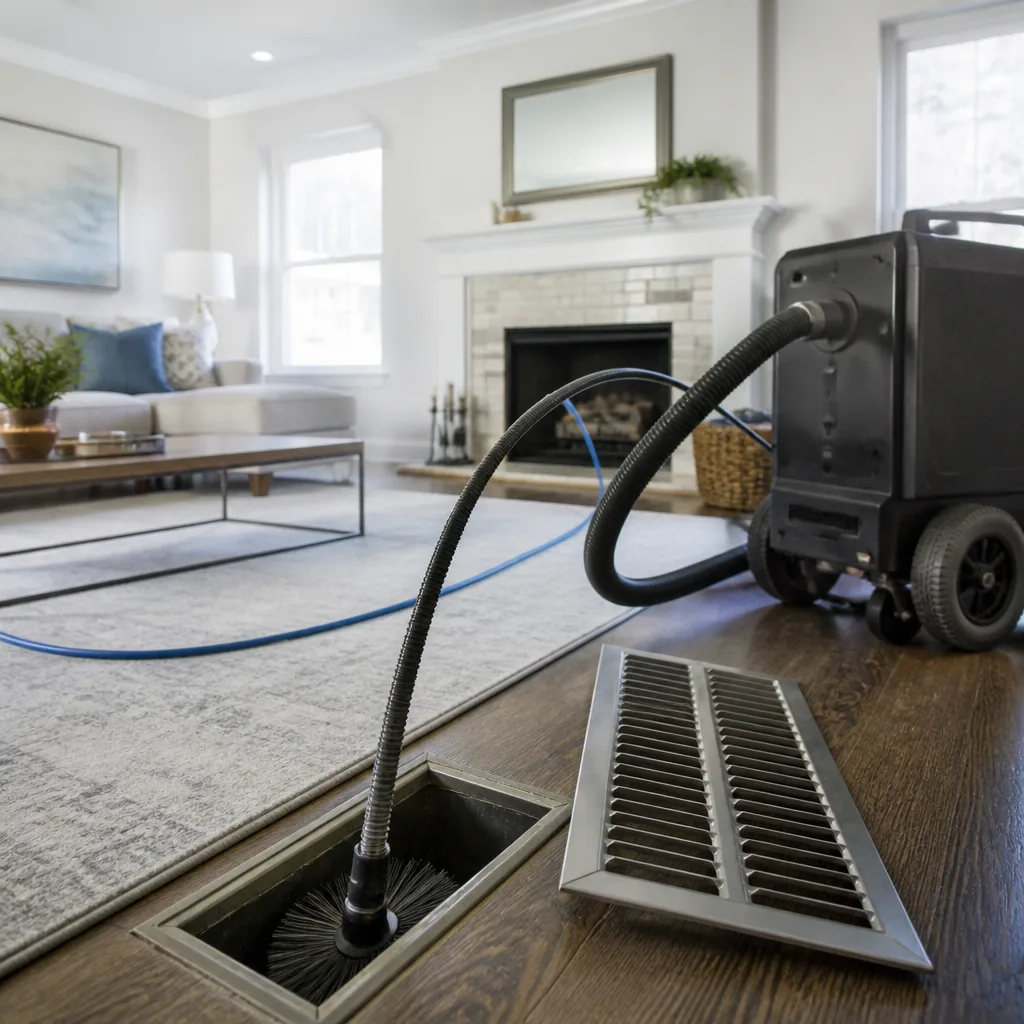 Whole-home duct cleaning
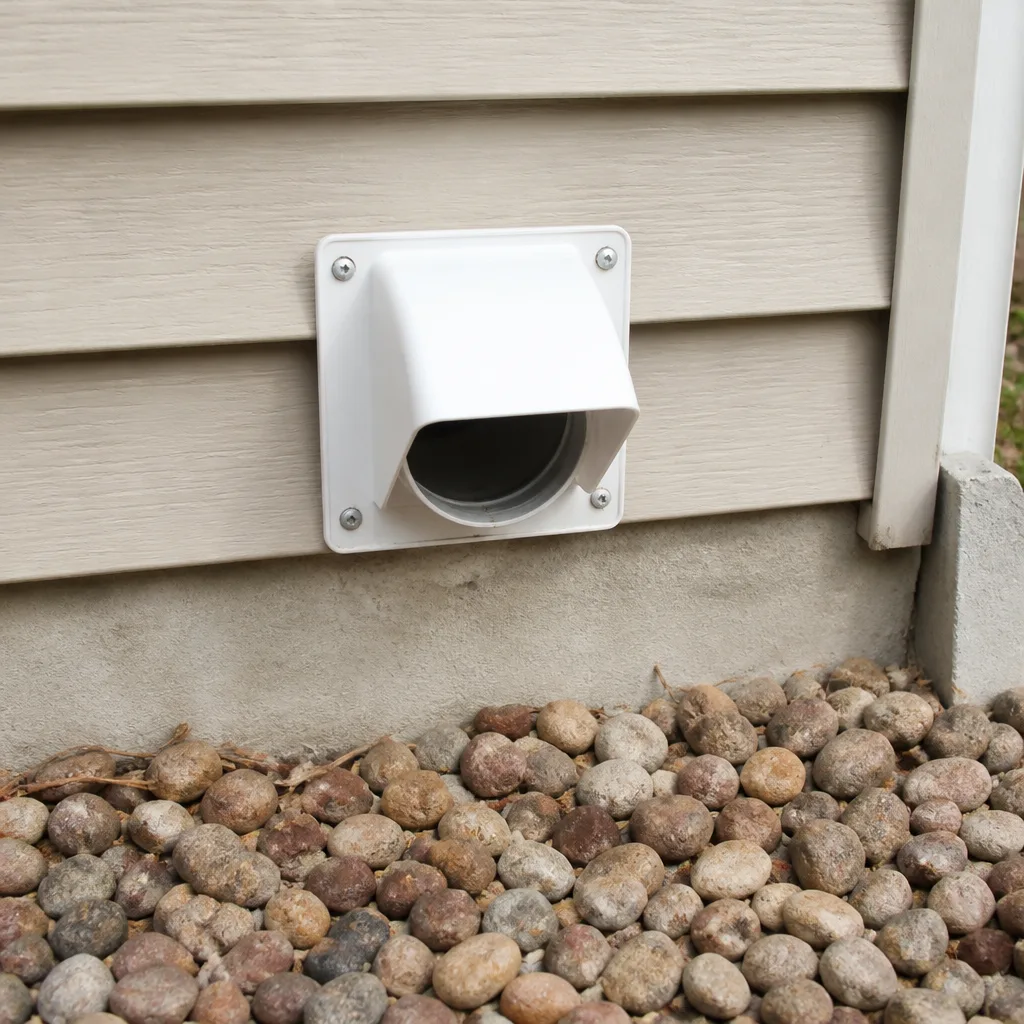 Dryer vent cleaning
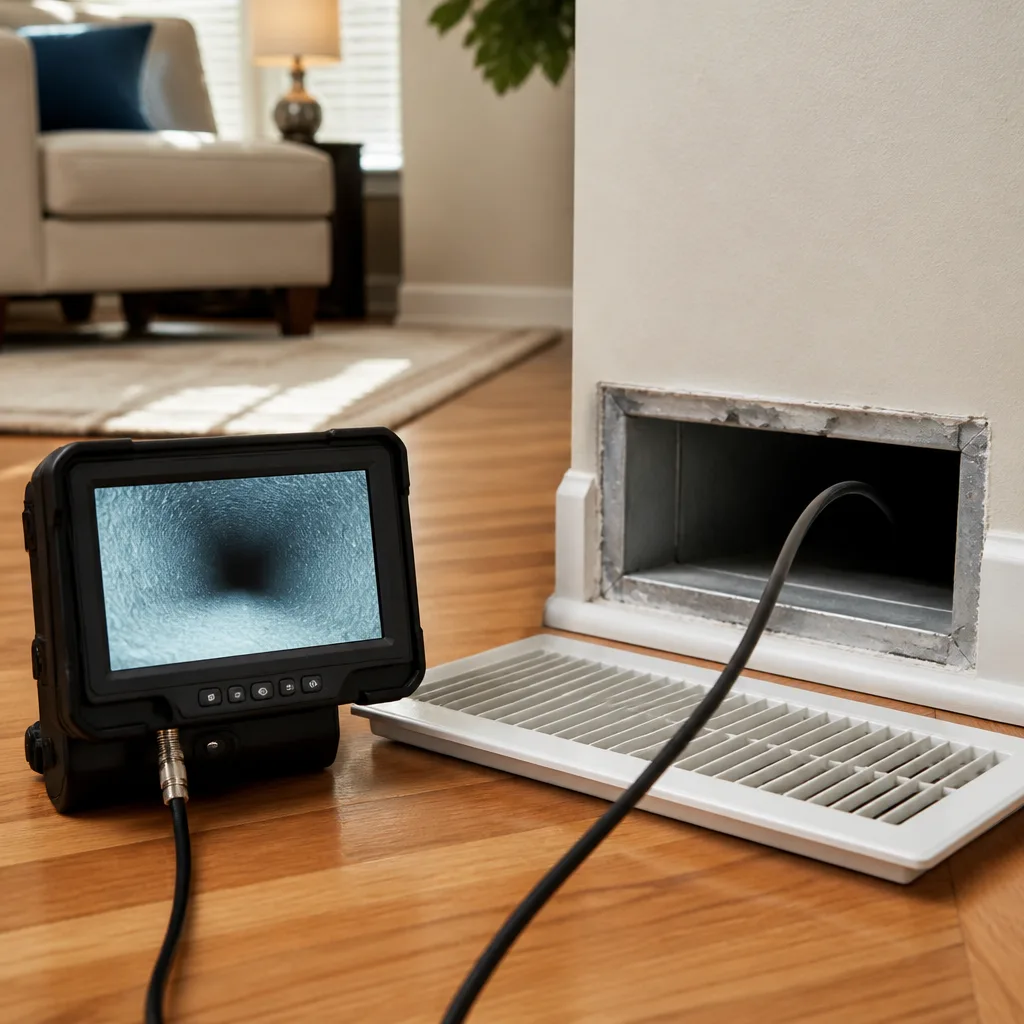 Camera inspection
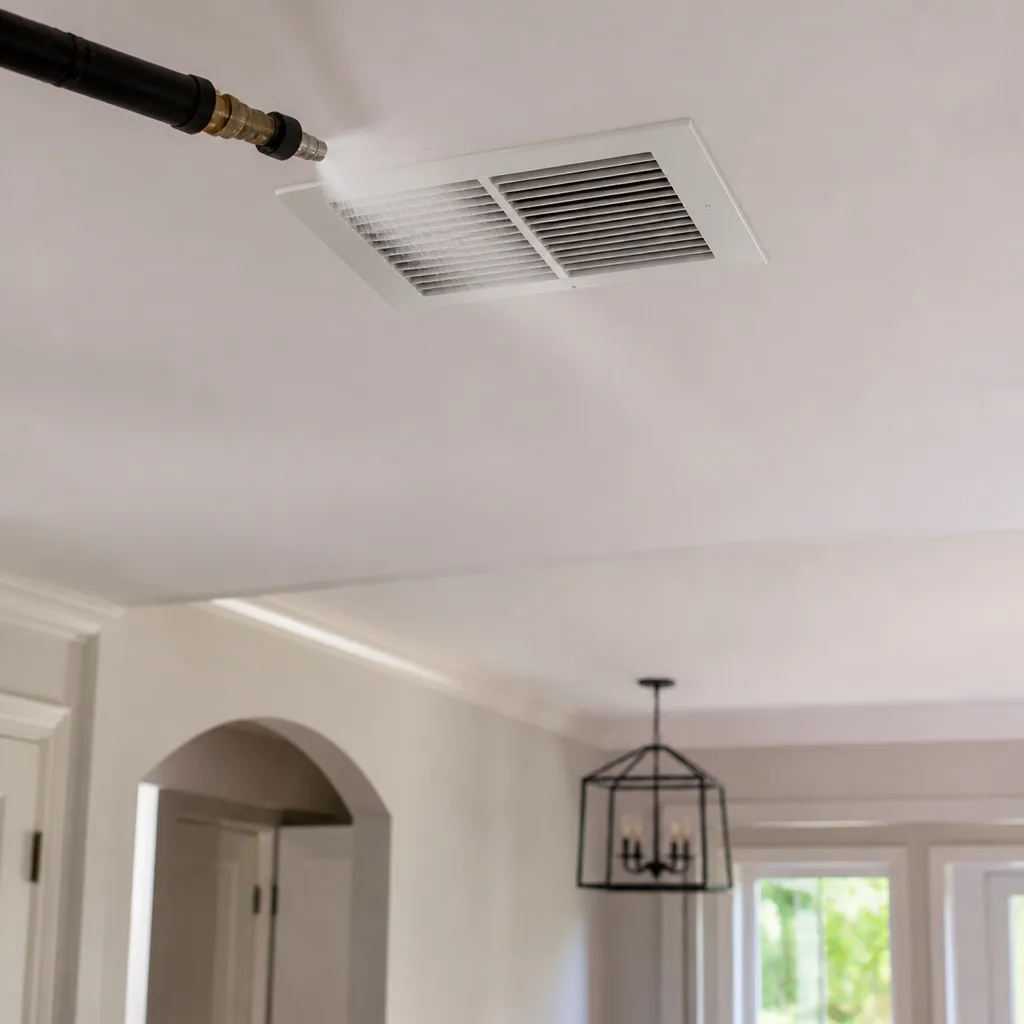 Sanitizing & deodorizing
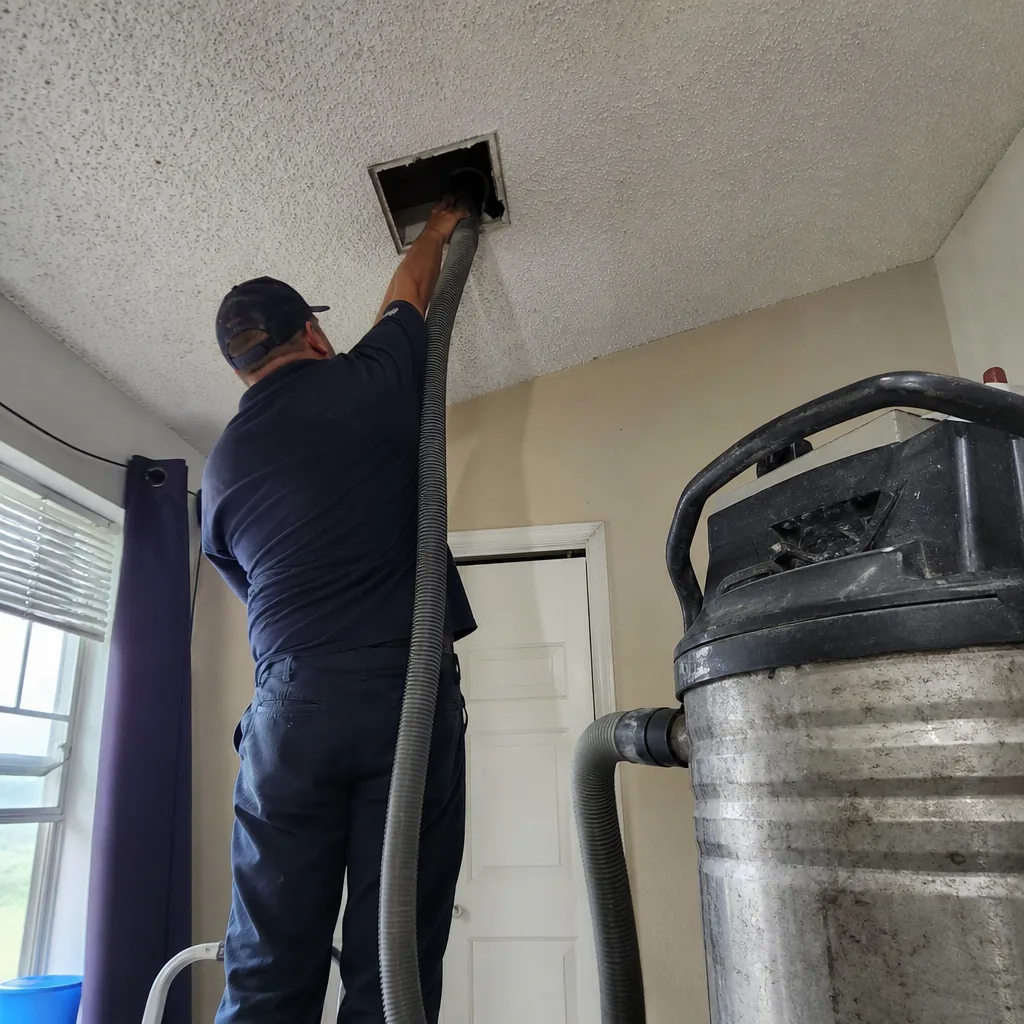
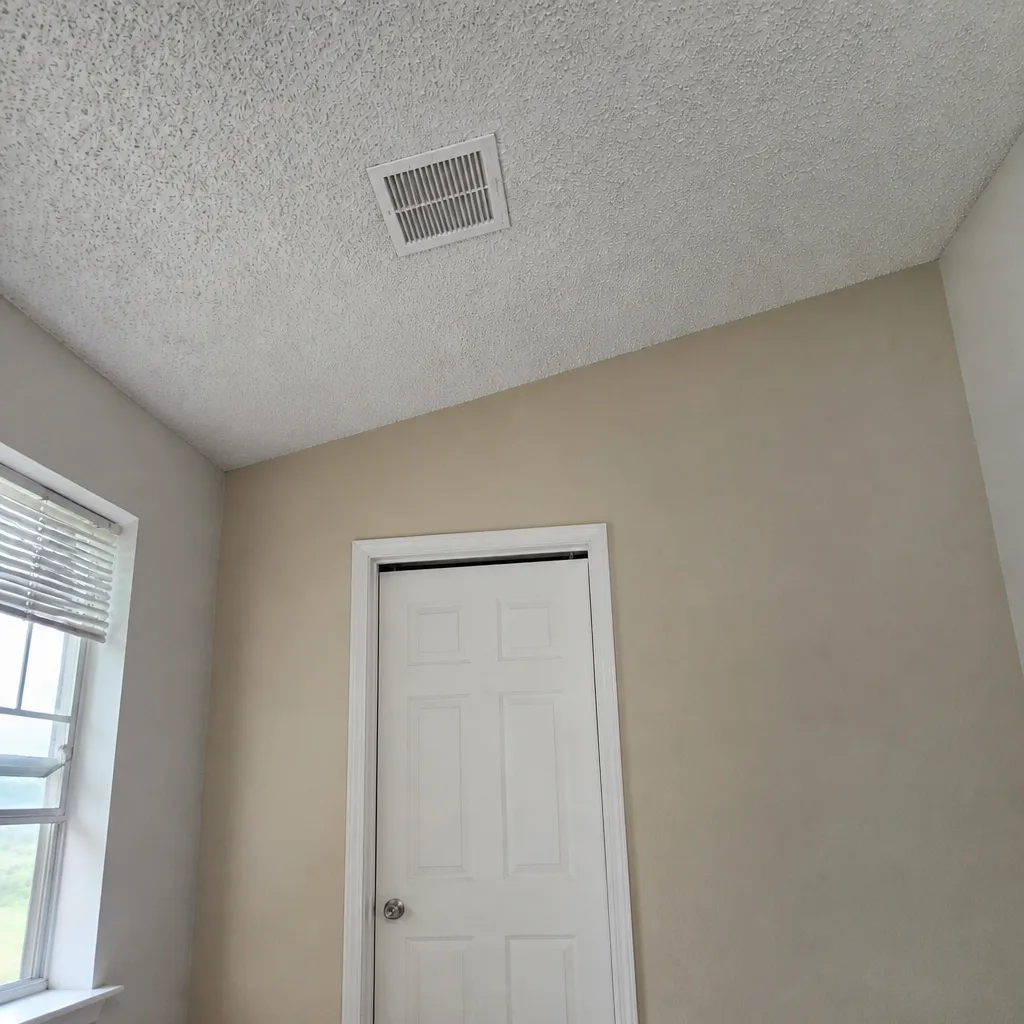
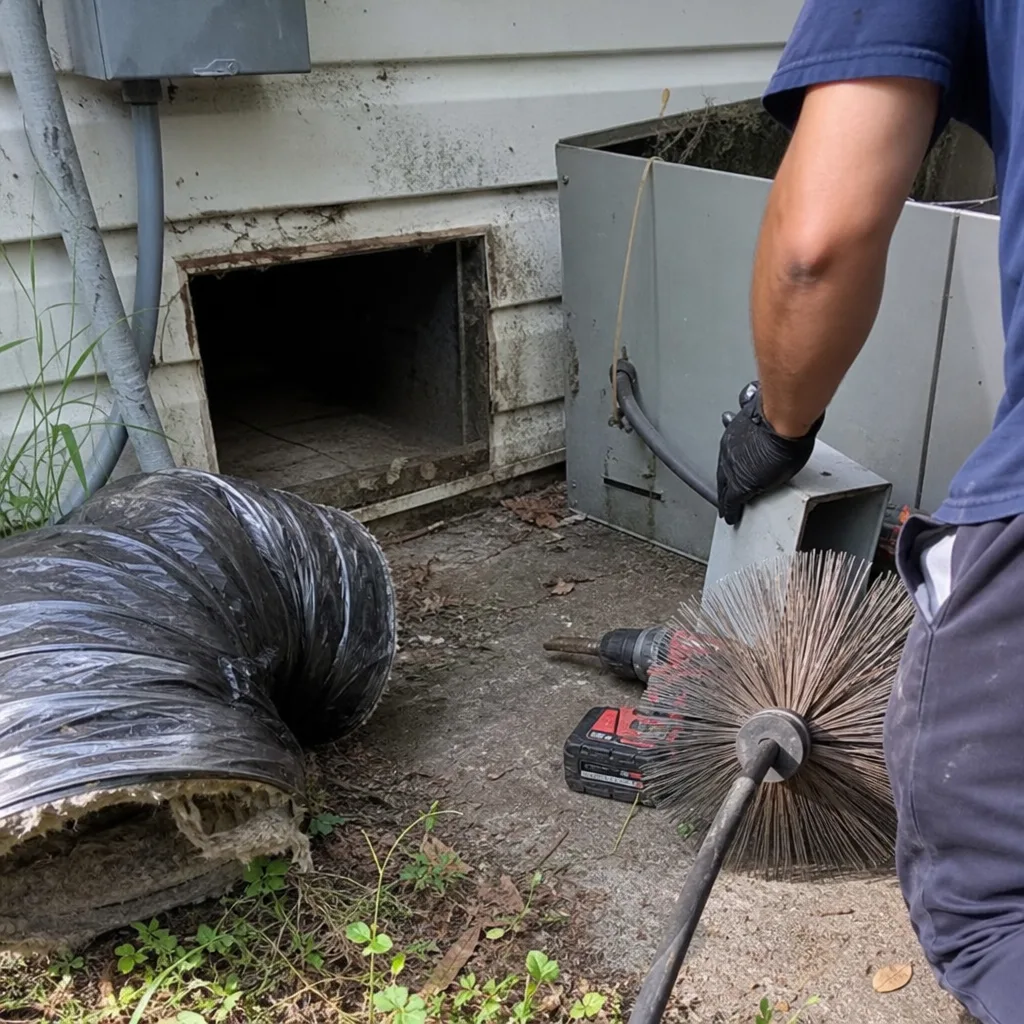
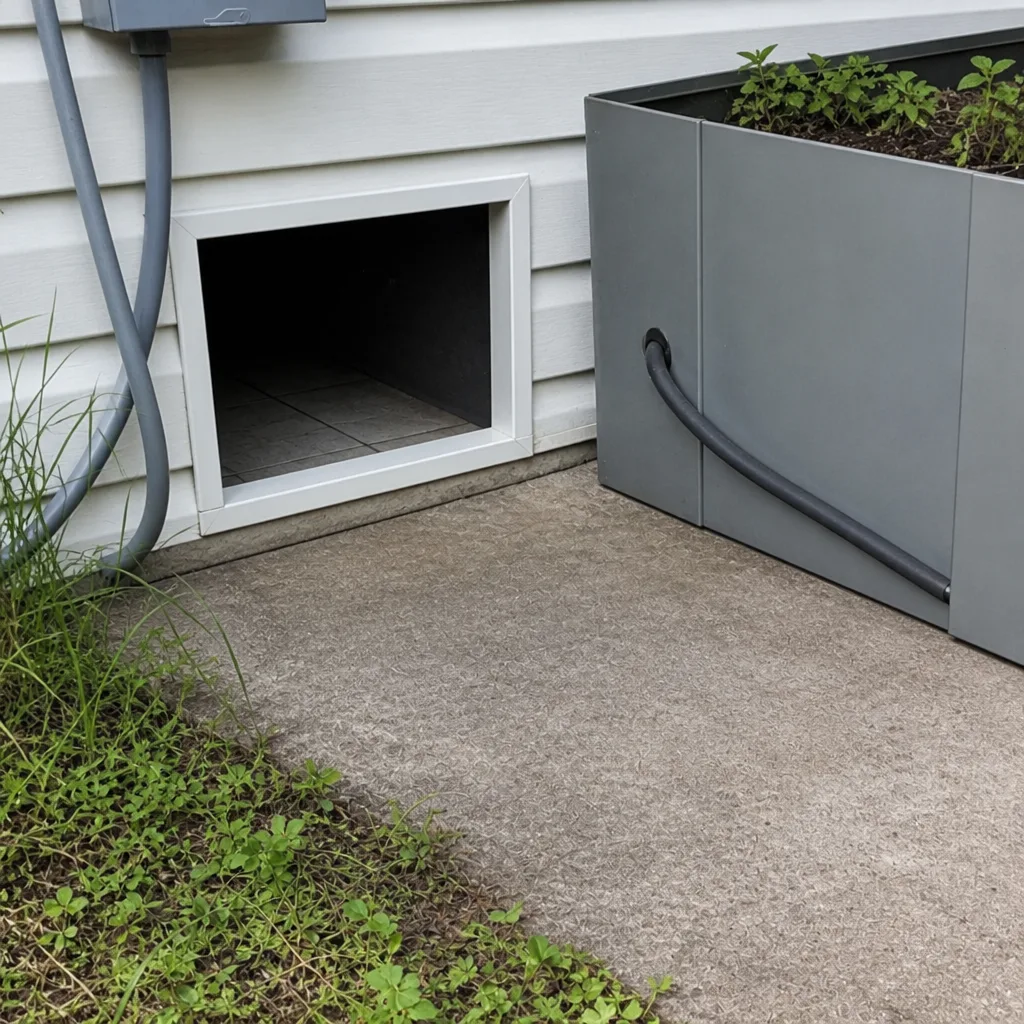
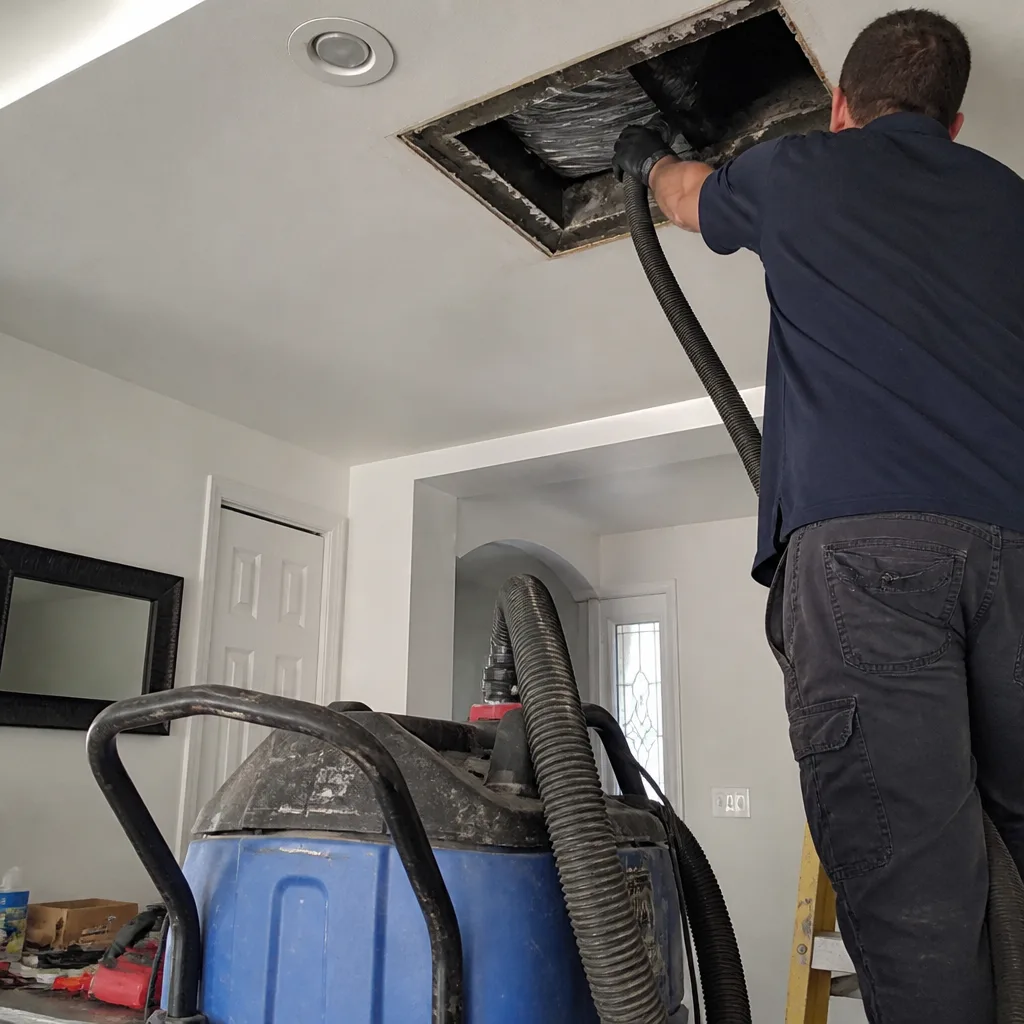
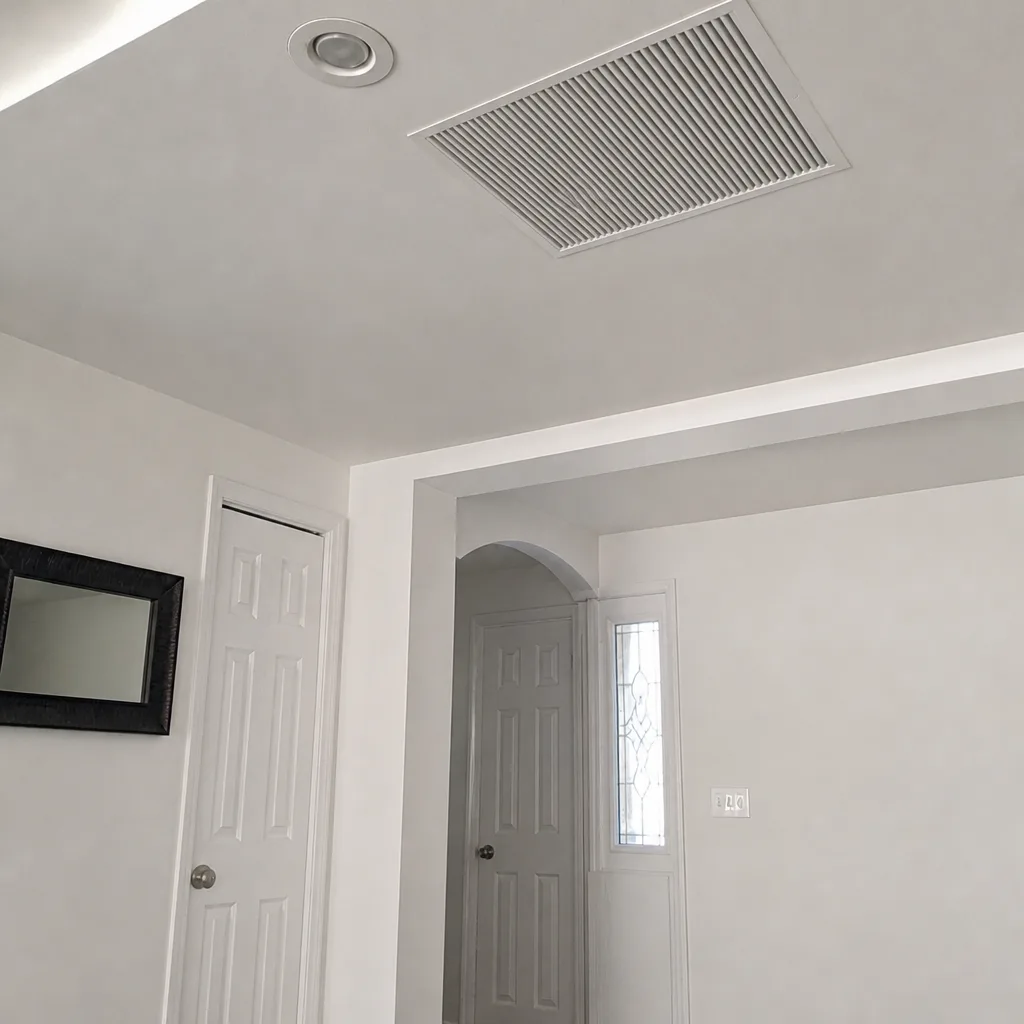
Whole-system duct and dryer vent check with before-and-after photos - you see exactly what came out of your vents
That "$99 whole-house special" is a bait ad - the real number appears once they are in your hallway, or the "clean" is a shop-vac at the register. We photograph the inside of your ducts before and after instead.
Air Duct Cleaning Maintenance Checklist for Spring Hill Homeowners
Most duct maintenance advice stops at “change your filter.” That’s one part of a system with a dozen moving indicators, and on its own it tells you almost nothing about what’s accumulating inside the ductwork itself. A clogged or contaminated duct system can cut HVAC efficiency by 20 to 40%, but most homeowners have no documented baseline to know when their system crossed that threshold. They find out because someone in the house starts sneezing, or because a technician opens an access panel and finds more than anyone expected. This checklist is the reference we wish every Spring Hill homeowner had: a monthly, quarterly, and annual routine tied to Florida’s actual seasons, plus the register-level checks that surface contamination before it turns into a remediation job.
Quick Answer
A working duct maintenance routine has three layers: a monthly register check (look, smell, feel), a quarterly filter and condensate review, and an annual professional air duct cleaning with documentation. In Spring Hill, the timing shifts because the cooling season runs long and pollen loads are heavy, so the quarterly layer matters more here than in a four-season climate. If a register blows visible dust, carries a musty smell, or your filter loads up faster than expected, you’ve moved past routine maintenance and into scheduling territory.
Styles & brands we work with
- Whole-home duct cleaning
- Dryer vent cleaning
- Camera inspection
- Sanitizing & deodorizing
Table of Contents
- Why a Checklist Beats a Filter-Only Routine
- The Monthly Layer: Register-Level Visual and Odor Checks
- The Quarterly Layer: Filters, MERV Ratings, and Seasonal Shifts
- The Annual Layer: Professional Cleaning and What It Should Include
- How to Document System Condition Between Visits
- When a Finding Escalates From Monitor to Schedule Now
- Checklist Findings That Point to Duct Repair, Not Just Cleaning
- Don’t Leave the Dryer Vent Off the Checklist
- Common Mistakes to Avoid
- When to Call a Professional
- Frequently Asked Questions
- The Bottom Line
Why a Checklist Beats a Filter-Only Routine
Your filter captures what reaches it. Your ductwork holds what doesn’t. Dust settles on the inside walls of the supply and return runs, pet dander clings to that layer, and in a humid climate like ours, mold spores can colonize the accumulated film if moisture finds its way in. None of that shows up as a dirty filter. It shows up as a register that blows grit, a room that never quite smells clean, or a coil that ices up because airflow dropped.
That’s the gap a structured checklist closes. It gives you a repeatable set of observations, done the same way each time, so you can tell the difference between “always been like that” and “changed since last month.” The difference matters. A slow drift in airflow or a new odor is exactly the signal that catches contamination before it reaches the level where a technician needs Abatement Technologies negative-air containment to clear it safely.
A checklist also protects you as a buyer. When you’ve been watching your own registers for a year, you know what your system looked like before anyone touched it. That’s a much stronger position than taking a stranger’s word for what’s inside your walls.
Spring Hill homes deal with a specific combination: long cooling seasons, heavy tree pollen in the spring months, sandy soil that finds its way indoors, and household dust compounded by pets. Filters and ducts carry a heavier load here than the same house would in a drier, shorter-summer climate. That’s why this checklist is built for Florida’s pattern, not a generic spring-summer-fall-winter model.
The Monthly Layer: Register-Level Visual and Odor Checks
Ten minutes a month, no tools. This layer is the front line of your checklist, and if you do only one thing, do this.
- Look at the register face. Remove the grille or vent cover on a couple of supply registers and hold a flashlight at an angle across the inside of the boot. A light film of dust is normal. Caked, fibrous buildup, visible debris, or anything that looks like fur means contamination is building past what routine maintenance handles.
- Smell the airflow. Turn the system on and stand close to a register in a room you don’t use much. A musty or damp earth smell in your ducts is a flag. A clean system smells like nothing.
- Feel the airflow. Hold a tissue or a light piece of paper against the register with the fan running. Every register should pull it firmly and hold it. A register that’s noticeably weaker than the others in the house is your first clue about a possible duct issue or blockage.
- Check the register surround for streaks. Dark tracks or soot-like streaks around the edges of a vent cover mean dust-laden air is escaping past the fit, not through the register.
- Walk the return grille. The return is where the system pulls air in, so it collects the thickest layer. Look at the grille face and the wall or ceiling behind it. Visible darkening here is the most common early warning we see in Spring Hill homes with pets.
Log the date and what you saw. Even a one-line note (“master bedroom register weak, guest room normal”) is enormously useful to a technician comparing findings across visits.
The Quarterly Layer: Filters, MERV Ratings, and Seasonal Shifts
Filters and ducts work as a pair. A well-chosen filter keeps more dust out of the ductwork and stretches the time between cleanings. A badly chosen filter either lets too much through or chokes the system. Here’s how to think about it for a Spring Hill home.
Choose MERV by household, not by habit
- Basic household, no pets, no allergies: MERV 8 is a reasonable starting point. It catches most large particles without putting much strain on the blower.
- Pets in the home: Move to the MERV 8 to 11 range. Pet dander is fine and sticky, and it builds up in the return and supply runs a bit faster than ordinary household dust.
- Allergy or asthma concerns: MERV 11 to 13 captures more of the fine particles that carry pollen and mold spores, but check that your blower can handle the higher resistance. Ask your HVAC tech if unsure. A filter that’s too restrictive for your system can reduce airflow and, ironically, create more duct contamination problems over time.
- High pollen months in Spring Hill: The spring pollen load is real. During heavy pollen weeks, check the filter every two to three weeks and replace when the frame is noticeably loaded, not when it “looks a bit gray.”
Review the condensate and humidity side too
Dust is only half the contamination story. Moisture is the other. A quarterly walk around the air handler should include a look at the condensate drain line for clogs, a check of the drain pan for standing water, and a feel for whether the indoor humidity is tracking higher than usual. A little moisture in the wrong place turns dust into a growth medium, and that’s when a routine cleaning call becomes a remediation-grade job. If the system is part of a Honeywell or Aprilaire air quality setup, check that any filtration or humidity component in the system is installed and seated correctly.
Redo the seasonal register check
Every quarter, repeat the full monthly check across all registers, not just the two you sampled. Florida’s seasonal shifts mean the system loads differently in spring pollen season versus late summer humidity, and the quarterly pass catches changes the monthly check on two registers can miss.
The Annual Layer: Professional Cleaning and What It Should Include
Once a year, have the system professionally cleaned. In our view, the annual cleaning is worth doing even on a system that looks fine at the register, because the access panel behind the air handler is where the real accumulation lives and you can’t see it from inside the house.
Here’s what a proper professional air duct cleaning visit should include, based on the equipment we bring to every job:
- Source removal, not just a blow-through. The right method is brush agitation inside the duct run followed by HEPA-rated vacuum extraction. We use Rotobrush rotary brush equipment for the agitation and Nikro HEPA-rated vacuums for the capture. That combination loosens material stuck to the duct walls and pulls it out of the system, rather than pushing it around.
- Containment when it’s needed. On jobs with heavy contamination, allergen loads, mold spores, or post-construction debris, the technician should set up negative-air containment so dislodged particles don’t migrate into your living space. We keep Abatement Technologies equipment available for exactly that purpose.
- Cleaning all the system components, not just the ducts. Registers, grilles, the supply and return trunk runs, the air handler cabinet interior, and the coil face where reachable. Ask what’s included before the visit.
- Before-and-after photos of your own system. This is the part most companies skip. Ask for photos at the access points, taken before and after. It’s your proof the work happened, and it gives you a documented baseline for next year’s comparison.
- A documented finding of any damage. If the technician finds disconnected runs, crushed flex duct, or torn connections, that’s a repair issue, not a cleaning one. A cleaning-only company will ignore it. We offer air duct repair partly because we’ve seen too many systems cleaned thoroughly while air was leaking out of them the whole time.
For a Spring Hill home with pets, allergy concerns, or a recent renovation, that annual visit is also the moment to talk about whether a filtration add-on makes sense for your system, which is where familiar IAQ brands like Honeywell and Aprilaire come in.
How to Document System Condition Between Visits
Photos are the single most useful maintenance habit we can teach a homeowner. Here’s how to build a useful record.
- Photograph the same spots every time. Pick three or four access points you can reach: the return grille, the register face in a main living area, the air handler cabinet if it’s accessible, and the filter slot with the filter out. Take a photo at each one on the same day each quarter.
- Use good light and a steady angle. A phone flashlight held off to the side of the duct opening makes the dust layer visible. Snap from the same angle every time so the comparison is fair.
- Keep a note next to each photo. A sentence covering the date, the location, and anything unusual: smell, airflow, visible debris.
- Save them where a technician can access them. A folder on your phone or a shared album is fine. When a technician arrives, walking through six months of photos makes the professional’s job easier and your estimate more accurate.
- Ask the professional for their own before-and-after photos on the annual visit. Add those to your record so the next comparison spans a full year of professional and homeowner observations together.
This is the practice that turns “the ducts got cleaned at some point” into a documented history a technician can compare across visits. It’s also the most credible way to answer a future homeowner’s question when you sell the house.
When a Finding Escalates From Monitor to Schedule Now
Not every register finding is urgent. Here’s a simple decision framework. We tell Spring Hill homeowners to think in two columns: Monitor and Schedule Now.
Monitor
- A light, even dust film on the register face
- A slight odor that fades after the system runs
- Airflow that’s consistent across all registers, even if it feels modest
- A filter that loads up on a predictable schedule
Schedule professionally
- Visible fibrous buildup, debris, or anything resembling fur when you look inside a register
- A musty, moldy, or persistent odor that doesn’t clear after the fan runs
- One or more registers with noticeably weaker airflow than the rest of the house
- Dark streaks around the register frames or on the wall near the return
- Visible dust plumes blowing from a register when the fan comes on
- Recent renovation or construction dust inside the home
- Any evidence of moisture or standing water around the air handler or in the ductwork
- Allergy or respiratory symptoms that seem worse indoors than outdoors
If two or more items land in the schedule column, don’t wait for the annual visit. Call for a professional inspection and let the technician tell you what the system needs. A single owner-observed flag on this list is worth taking seriously.
Checklist Findings That Point to Duct Repair, Not Just Cleaning
Some findings aren’t contamination problems at all. They’re structural, and cleaning without fixing them just means the system gets dirty again faster. Watch for these.
- Crushed or kinked flex duct. If a supply run has been pinched or crushed behind a wall or in the attic, the register on that run will blow weakly no matter how clean the duct is. The fix is repair, not cleaning.
- Disconnected or loose joints. A run that came loose from a trunk or register boot is leaking air into the wall cavity or attic. That’s a repair issue.
- Torn or degraded duct liner. Some ductwork has an internal lining that can tear over time. It needs repair and often replacement of that section.
- Loose or damaged register boots. A boot that doesn’t seal to the wall or ceiling lets unfiltered air in around the register. Repairable, but only by someone who does duct work.
This is one reason we handle air duct repair as a core service. A lot of companies clean ducts only and refer duct repair out or ignore it. That leaves the homeowner patching one problem while the actual leak goes unfixed. Our take: if we’re already in the system, the technician should find the structural issues and tell you what they are.
Don’t Leave the Dryer Vent Off the Checklist
Air duct cleaning checklists often leave out the dryer. That’s a mistake. A clogged dryer vent is a leading cause of residential fires, and it doesn’t show up on any register check. Add these to your quarterly routine.
- Feel the lint trap after every load. If the trap feels clogged even after cleaning, or lint appears in the trap faster than usual, the vent run may be restricted downstream.
- Check the exterior vent flap. Step outside while the dryer is running and confirm the flap opens fully and lint is blowing out. A flap that barely moves means reduced airflow.
- Watch drying times. Clothes that used to dry in one cycle but now take two are the clearest signal of a restricted vent. Hanging clothes damp for weeks is a sign of a fire risk, not a dryer age issue.
- Schedule a professional dryer vent cleaning annually. The dryer vent run collects lint the homeowner can’t reach. Cleaning it professionally is the only reliable way to clear it out.
Common Mistakes to Avoid
- Assuming the filter change is the whole checklist. Filters catch part of the load. The ductwork catches the rest. Two entirely different maintenance tasks. In Spring Hill this mistake is common because the long cooling season makes a filter change the most visible maintenance habit.
- Buying the highest MERV rating available. Higher isn’t automatically better. A filter that’s too restrictive for your system reduces airflow and puts stress on the blower. Pick the MERV range that fits your household.
- Taking a cleaning company’s word for it with no photos. Ask for before-and-after photos at the access points. No photos, no proof. This is the single easiest way to protect yourself from a company that showed up, ran a vacuum around for twenty minutes, and left.
- Skipping the return grille when checking. The return collects the thickest layer of debris because it’s pulling from every room in the house. It’s the most important register to look at, and the one homeowners check least often.
- Ignoring a new smell as “just the house.” A musty odor that wasn’t there last season is a signal. “The house always smelled that way” is fine. “It smells different than it used to” needs investigation.
- Cleaning without repairing. If the ducts get cleaned while a run is disconnected or crushed, the system will just recontaminate. Fix the structural issues alongside the cleaning.
- Forgetting the dryer vent entirely. It’s not part of the HVAC system, but it belongs on the same maintenance calendar because the risk profile is very different from a dusty supply register.
When to Call a Professional
Call a professional when you find visible fibrous buildup inside a register, a musty smell you can’t track to anything else, a register that’s noticeably weaker than the rest of the house, or any sign of moisture around the air handler or ductwork. Also call if you’ve recently renovated, if someone in the house has allergy or respiratory symptoms that seem worse indoors, or if it’s been more than a year since the system was professionally cleaned. These are the findings that move from “watch it” to “get an expert eyes-on inspection.”
Duct Cleaning Spring Hill offers free estimates in Spring Hill. Our technicians have up to 9 years of experience, and we use professional-grade equipment, not consumer shortcuts: Rotobrush rotary brush agitation, Nikro HEPA extraction, Abatement Technologies equipment for contamination-level jobs, and fluency with Honeywell and Aprilaire air quality systems. Call (833) 858-5701. We answer 24/7. Fast dispatch from 7am to 7pm, Sunday through Friday.
Frequently Asked Questions
Once a year is a sensible baseline for most Spring Hill homes, with more frequent cleaning if you have pets, allergy concerns, recent renovation dust, or visible buildup at the registers. The annual visit is the anchor of this checklist. The register checks in between catch changes so you know whether the annual timing needs to tighten. Call (833) 858-5701 for an exact quote. Estimates are free.
MERV 8 to 11 is a reasonable range for most pet households. Higher MERV ratings capture finer particles but increase resistance to airflow, so check that your blower can handle it. If you’ve also got allergy concerns, MERV 11 to 13 is where most people land, with confirmation from an HVAC tech that the system handles it. Call (833) 858-5701 with what you’re running now and we’ll talk it through. Estimates are free.
Whole-system cleaning is priced per system by a written estimate after the technician has seen the job, not by the vent. That’s the honest structure, because a home with two returns and light dust costs less to clean than a three-story house with heavy contamination and a pet in every room. Some quotes will be lower than ours. Those tend to be per-vent estimates that grow once the technician is on site. We set one flat price per system, agreed before any work starts, with before-and-after photos at the end. Call (833) 858-5701 for an exact quote. Estimates are free.
Because they’re usually per-vent teaser prices, not whole-system prices. A low coupon number often covers only a couple of registers or a single trunk, with every additional register added on once the technician is in the door. Ask any company exactly what the price covers, in writing. If the number changes when they arrive, the estimate wasn’t real. We price per system, agree in writing, and photograph the before and after. Call (833) 858-5701 for an exact quote. Estimates are free.
Request before-and-after photos of your own system at the access points, not stock photos of someone else’s ducts. The photos are your documentation, and you keep them for the next visit’s comparison. This checklist is built around that same documentation habit. We take before-and-after photos on every job. Call (833) 858-5701 with your questions. Estimates are free.
Yes. Dryer vent cleaning is one of our three core services alongside air duct cleaning and air duct repair. A clogged dryer vent is a leading cause of residential fires, and we include it in the maintenance calendar because it’s a safety system, not an aesthetic one. Call (833) 858-5701 for a free estimate on the vent as well. We answer 24/7. Fast dispatch from 7am to 7pm, Sunday through Friday.
The Bottom Line
A duct maintenance checklist isn’t a filter change schedule. It’s a set of observations, done the same way each time, that lets you track the condition of your system between professional visits. Monthly register-level checks catch the early signs. Quarterly filter and moisture reviews adjust for the season. The annual professional cleaning is where thorough work and documentation create a baseline for the next year. Spring Hill’s long cooling season and heavy pollen load make the quarterly layer more important here than a generic four-season checklist would suggest. If something moves to the schedule column, don’t wait for the annual visit. The whole point of building the checklist is to know when to call.
If you’re ready for a professional cleaning, repair, or dryer vent service in Spring Hill, call Duct Cleaning Spring Hill at (833) 858-5701 for a free estimate. We answer 24/7. Fast dispatch from 7am to 7pm, Sunday through Friday. Clean ducts, repaired ducts, clear vents: that’s the scope, and we bring professional-grade equipment and photography to every job so you know it was done.
Written by the team at Duct Cleaning Spring Hill.
See the difference
 Before
 After
 Before
 After
 Before
 After