
Last updated November 15, 2026
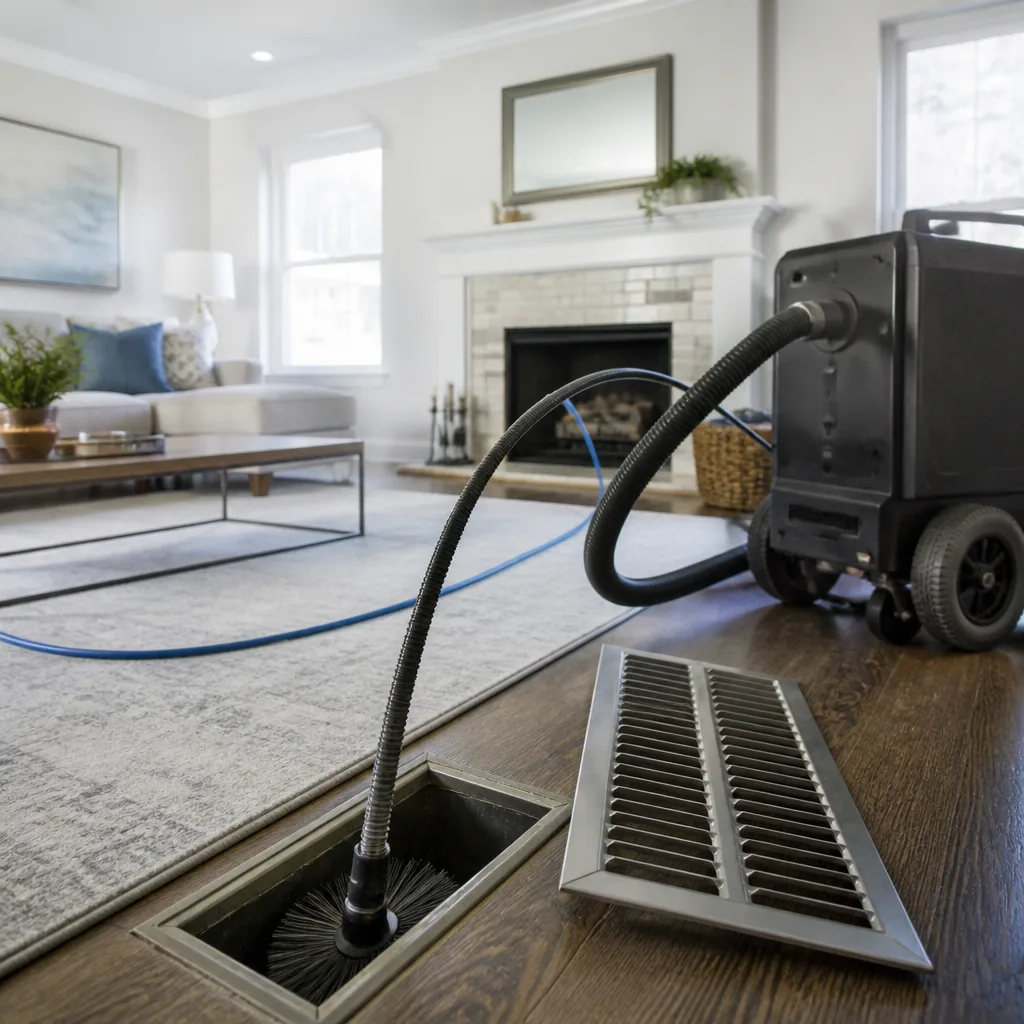 Whole-home duct cleaning
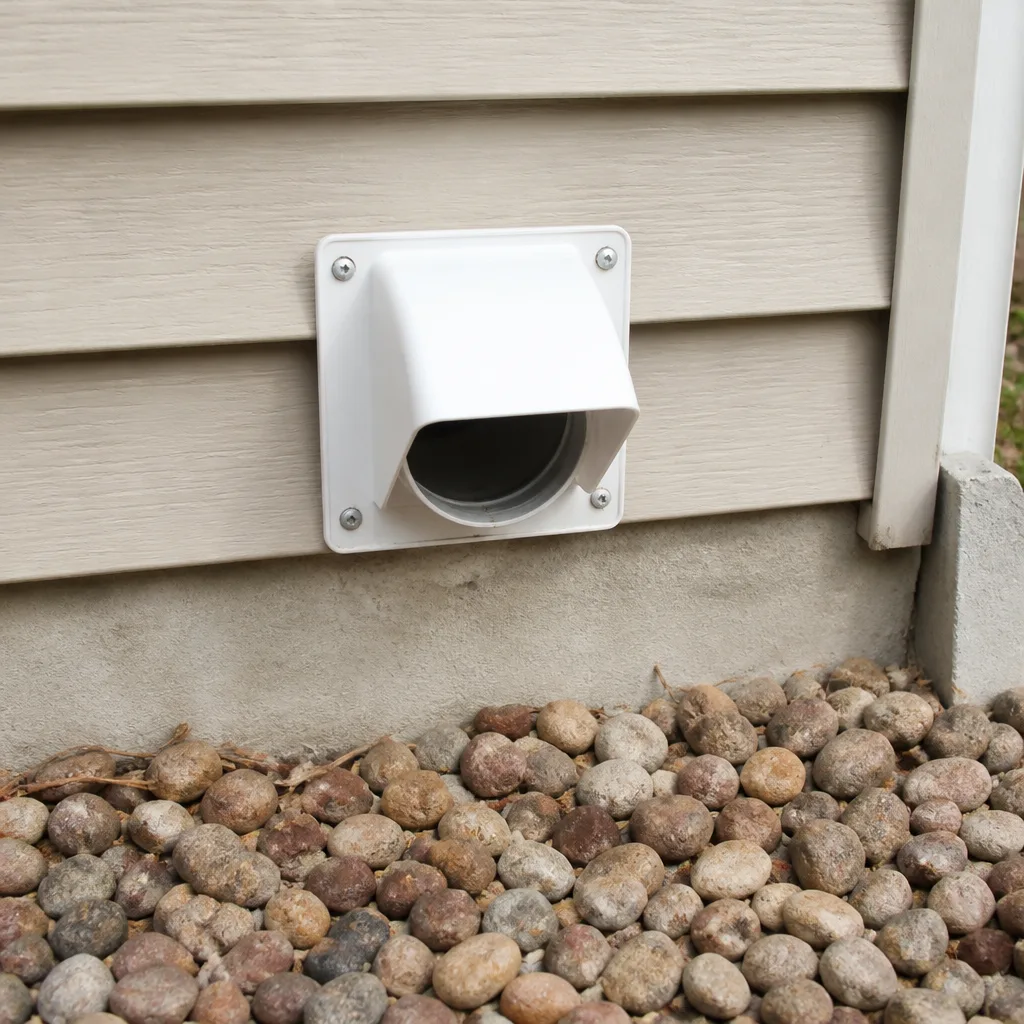 Dryer vent cleaning
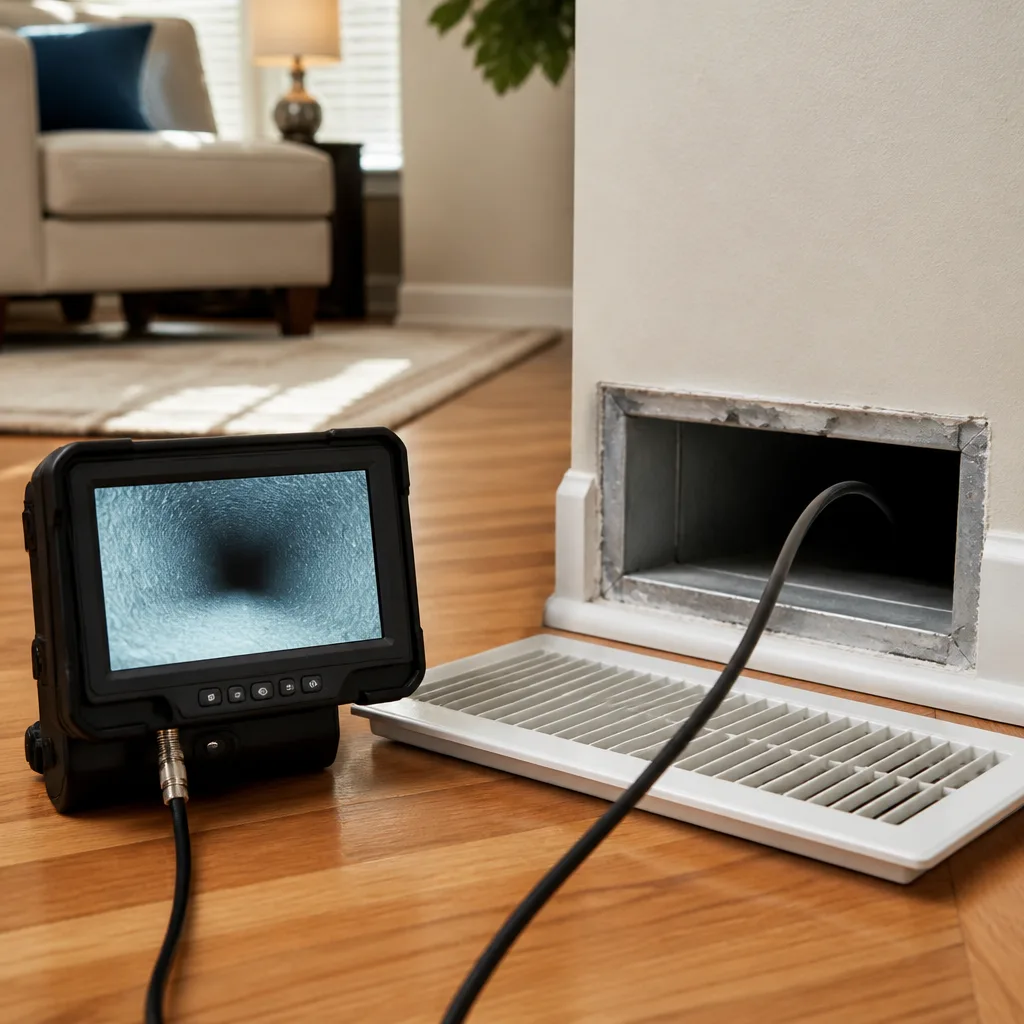 Camera inspection
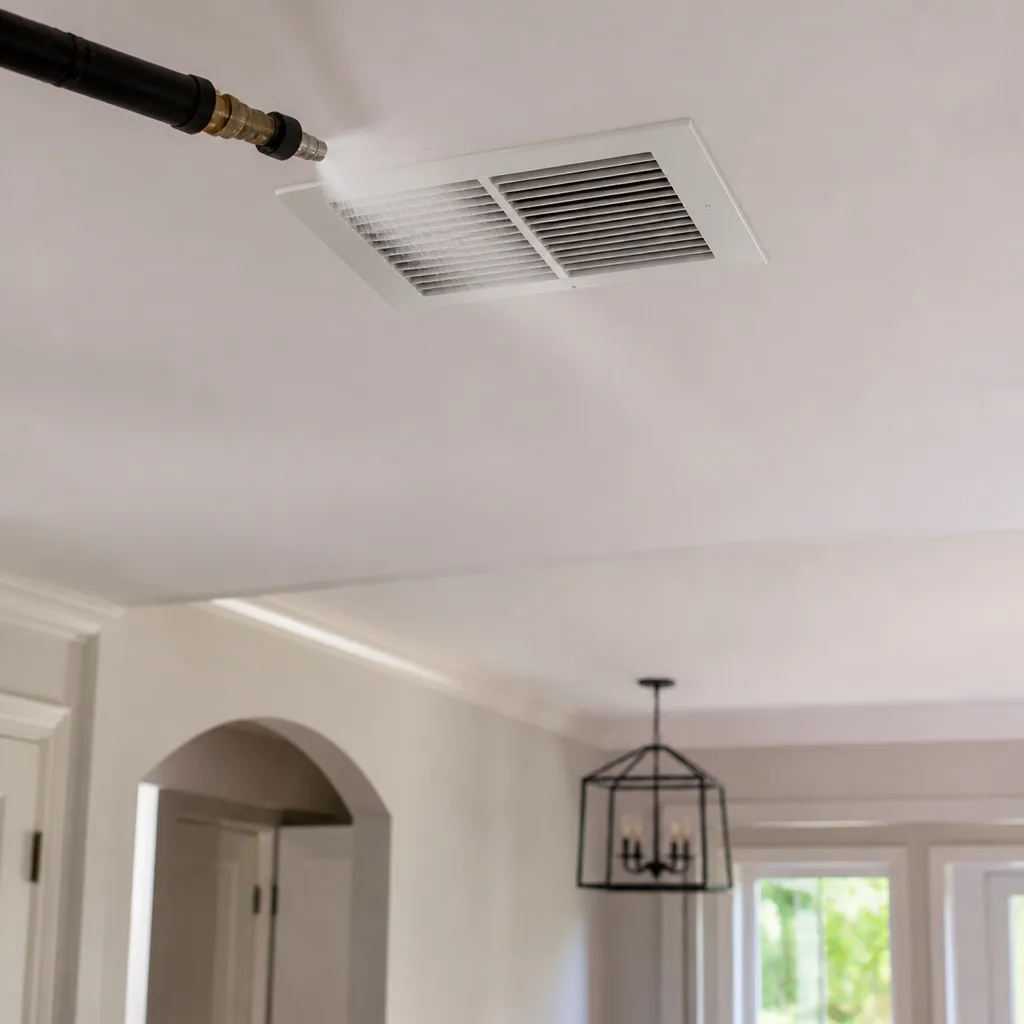 Sanitizing & deodorizing
Whole-system duct and dryer vent check with before-and-after photos - you see exactly what came out of your vents
That "$99 whole-house special" is a bait ad - the real number appears once they are in your hallway, or the "clean" is a shop-vac at the register. We photograph the inside of your ducts before and after instead.
Air Duct Cleaning Maintenance Schedule: What to Do and When
The three-to-five-year rule you’ve read everywhere was written before high-MERV filtration became common and before anyone mapped how a nearly year-round cooling season changes the picture. In Spring Hill, a house that runs its air handler ten or eleven months a year cycles far more air through the same duct surfaces than a house up north that runs it for four. Add two dogs, or a child with a new allergy diagnosis, and the interval shifts again. So this guide builds a schedule from the variables that actually drive contamination: occupants, pets, filtration, and run-time. You’ll learn how to set your own interval, what to do between cleanings, and which events reset the clock entirely.
Quick Answer
In a Spring Hill home with year-round cooling, most houses land on a professional air duct cleaning every two to four years, not a blanket three-to-five. Homes with pets, allergy sufferers, or recent renovation drop to every one to two years. Smaller, low-occupancy households with good filtration can stretch to five. The right number depends on measurable inputs, and this guide walks you through them one at a time.
Styles & brands we work with
- Whole-home duct cleaning
- Dryer vent cleaning
- Camera inspection
- Sanitizing & deodorizing
Table of Contents
- Why the Standard Interval Doesn’t Fit Florida
- The Cooling Season Effect: What 10+ Months of Run-Time Does
- Building Your Interval: The Five Variables That Matter
- Between Cleanings: Filter Cadence, Grilles, and Condensate
- Event-Based Triggers That Reset the Schedule
- The Low-Cost Test: Particle Counter or Access Panel
- Common Mistakes to Avoid
- When to Call a Professional
Why the Standard Interval Doesn’t Fit Florida
A single “clean every three to five years” number treats every house as identical. It isn’t. The variables that push contamination faster or slower are the ones nobody puts on a calendar: how many people live under the roof, how much dander they bring in, what MERV rating sits in the return, and how many months the air handler actually moves air. Those inputs vary widely from one Spring Hill block to the next.
Take two houses of similar size down the road from each other. One holds a retired couple, runs a MERV 8 filter, and keeps the doors closed. The other holds a family of five, two shedding dogs, and a renovation pile in the garage. The first house may coast past five years between cleanings. The second probably needs attention inside eighteen months. Same weather, same neighborhood, wildly different intervals. That’s why we treat the maintenance schedule as a decision tree rather than a fixed calendar. You answer a handful of questions about your home and the interval falls out of those answers.
This is also why filter discipline matters so much in Spring Hill. When you run a higher-MERV filter, you capture more particulate at the return and less of it settles on duct walls and interior insulation. That single change can meaningfully extend your interval. We work with Honeywell and Aprilaire filtration systems regularly, and understanding how your filter interacts with the rest of your air quality equipment is part of building a schedule that holds up.
The Cooling Season Effect: What 10+ Months of Run-Time Does
Spring Hill’s cooling demand runs most of the year. That changes the schedule math in a way northern cleaning advice never accounted for. Every hour your blower runs, it pulls air past the same duct surfaces. Dust, pet dander, and lint settle on those surfaces and stay moist. Warm air plus moisture plus organic dust is the recipe for biofilm: a thin living film that ordinary surface dusting never touches.
Consider the run-time gap. A home in the Midwest might run its air handler for roughly four or five months a year. A Spring Hill home runs it for ten or eleven. The same duct system can see well over twice the airflow hours annually, and that extra exposure doubles the accumulation clock. National advice pegged to frost seasons simply doesn’t map.
The practical consequences you’ll notice in a Spring Hill home:
- Return grilles darken and clog faster because they carry the first pass of airborne load.
- Allergy symptoms tied to the indoor environment can worsen as biofilm builds, particularly for anyone sensitive to dust mite and mold spore particles.
- Pet owners with two or more animals see visible lint on supply registers within a couple of seasons.
- Homes with a recent renovation retain drywall dust and construction debris far longer because the air handler redistributes fine particles.
None of this means cleaning constantly. It means the interval tightens in proportion to how hard your system works.
Building Your Interval: The Five Variables That Matter
Here’s how we’d walk you through setting your own cleaning interval. Each variable pushes the number up or down. Read them as a list of levers, not a formula.
- Occupant count. A single-occupant home generates less skin cell, hair, and dust load than a family of five. Each additional person adds measurable particulate, so a larger household shortens the interval by roughly a year against a similar-square-foot baseline.
- Pets and dander load. A dog or cat adds dander and hair the returns capture continuously. Two or more pets is the single most common reason we shorten a Spring Hill cleaning interval to the one-to-two-year range.
- Allergy history in the household. If someone in the home has diagnosed respiratory or allergy sensitivity, cleaning frequency often matters less for dust control and more for the particles that trigger reactions. That’s a household where we recommend cleaning sooner and verifying results with before-and-after documentation.
- Filter MERV rating and change discipline. A higher-MERV filter (within what your system’s blower is rated for) captures more at the return, so less settles in the ducts. But an overdue filter, especially a loaded one, bypasses the benefit entirely. A filter that’s been allowed to clog can push your interval the wrong way regardless of what’s stamped on it.
- Months of HVAC operation. In Spring Hill, treat this as 10-plus months. That value alone pushes the baseline interval toward the shorter end of any range you’re considering.
Run those five variables and you have a workable number. For most Spring Hill homes, that lands at two to four years. Households with pets and health concerns should plan for one to two. Low-occupancy homes with disciplined filtration may reach four to five.
Between Cleanings: Filter Cadence, Grilles, and Condensate
Professional cleaning resets the clock. What you do between cleanings keeps the clock from racing. Three tasks carry the most weight, and each has a realistic cadence that fits a Spring Hill year.
Filter changes. In a system that runs nearly all year, check the filter monthly and plan to change it every one to three months, with pets pushing toward the shorter end. Set a reminder tied to your utility bill cycle if calendars don’t stick. A loaded filter starves airflow and lets particulate slip past, which quietly shortens your cleaning interval.
Return grille vacuuming. Every two to three months, run a vacuum with a brush attachment across the face of each return grille. This removes the surface load before it can be pulled deeper into the system. It’s a five-minute job across a handful of grilles that pays off over a season.
Condensate drain inspection. The drain can clog with algae, which is a frequent problem in a humid climate. Every few months, check that condensation is draining and that the pan is dry. A slow drain is an early warning, not a crisis, but it deserves a look before it becomes a water intrusion event.
Beyond these three, watch the supply registers. If you see dust streaks or dark rings, that’s a signal your returns are working harder than your schedule assumes. Occasional supply-side wiping is fine, but recurring streaks point to a system-level issue worth diagnosing. If you’re unsure, a professional inspection from Duct Cleaning Spring Hill can tell you whether you’re on schedule or overdue.
Event-Based Triggers That Reset the Schedule
Time isn’t the only variable. Certain events reset your cleaning schedule regardless of years elapsed. If any of the following has happened in your Spring Hill home, treat it as a trigger and get the system inspected.
- Renovation or remodeling. Drywall dust and construction debris migrate through returns and settle throughout the duct network. Clean after the dust clears, not during the demolition phase.
- Water intrusion. Any coincident moisture event, whether a roof leak or an overflowing drain pan, gives mold spores a foothold. Following water intrusion, an inspection and cleaning is warranted even if you cleaned recently.
- Rodent evidence. Droppings, nesting material, or chewed insulation in or near the ductwork means contamination the schedule didn’t anticipate. Cleaning plus a duct repair assessment is the right response.
- New allergy or asthma diagnosis in a household member. When a doctor flags a respiratory sensitivity, cleaning sooner gives you a cleaner indoor baseline to work from.
- Moving into a resale home. You don’t know the previous occupant’s habits. Treat a move-in as a fresh start with a cleaning.
- Post-contamination remediation. If abatement equipment is ever needed because of a contaminant event, the schedule restarts afterward.
Each of these triggers matters more in a climate where the system runs most of the year, because any settled contaminant gets redistributed continuously. Our air duct cleaning service regularly handles post-renovation and post-intrusion jobs where containment and HEPA-level capture matter, not just a routine pass.
The Low-Cost Test: Particle Counter or Access Panel
Before you commit to a full cleaning, you can make a better decision with a small investment. Two approaches work well, and neither requires a professional visit.
Particle counter reading. An inexpensive handheld particle counter measures airborne particulate concentration. Run it before and after a full filter change, and again after dusting and vacuuming a room. If readings stay elevated after those steps, that suggests the source may be in the system rather than the room. The number isn’t a diagnosis, but it’s a signal worth acting on.
Visual access panel check. Many air handlers have a service panel or a removable access point. With the system off and power isolated by a qualified person, a look inside can show visible accumulation on the duct interior or the blower housing. Look for: dust buildup on the blower wheel, visible lint or debris on the interior walls, and any sign of moisture. Do not open panels you’re not trained to open. The point is a visual read, not a DIY cleaning project.
Use either signal as a decision tool, then let a proper inspection confirm it. In our experience around Spring Hill, homeowners who use a particle counter regularly tend to catch their overdue system earlier than homeowners working from memory alone.
Common Mistakes to Avoid
- Calendar-only thinking. The three-to-five-year number ignores pets, occupants, and Florida’s cooling run-time. You’ll clean too late in a busy household and too soon in a quiet one.
- Ignoring the filter between cleanings. A duct cleaning with a neglected filter is wasted within months. The filter is doing most of the work.
- Choosing a full clean-up for a single humid stretch. A musty odor after a wet spell doesn’t always mean contaminated ducts. Diagnose first; the schedule accommodates.
- Bypassing a visual check when the numbers look fine. The smell, the dark grille, and the symptom in the family all matter. Numbers are one input.
- Treating a renovation as a one-time event with no follow-up. Post-renovation cleaning done before the dust settles means the same load returns. Time the cleaning after the dust has cleared.
- Skipping the dryer vent. Cleaning ducts while ignoring a lint-choked dryer vent leaves a leading cause of home fires unaddressed. dryer vent cleaning belongs on the same schedule.
See the difference
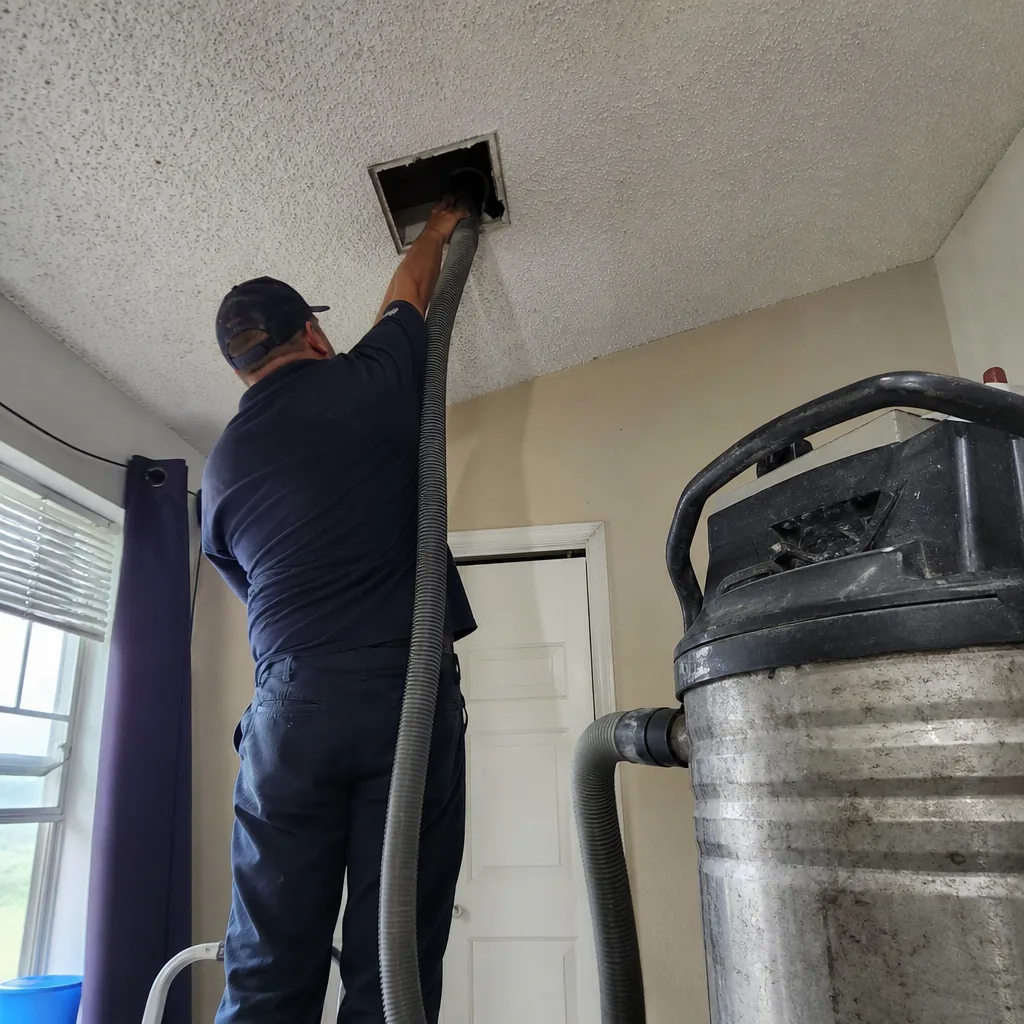 Before
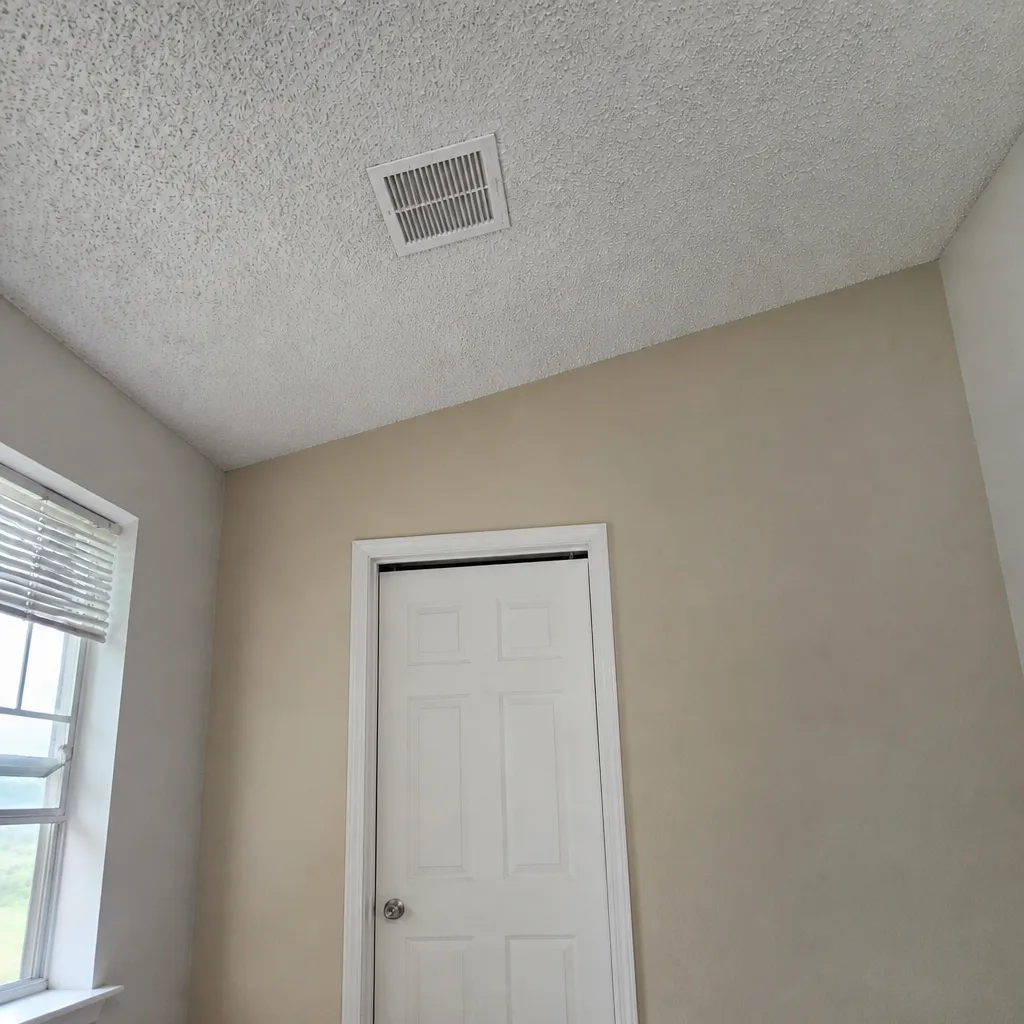 After
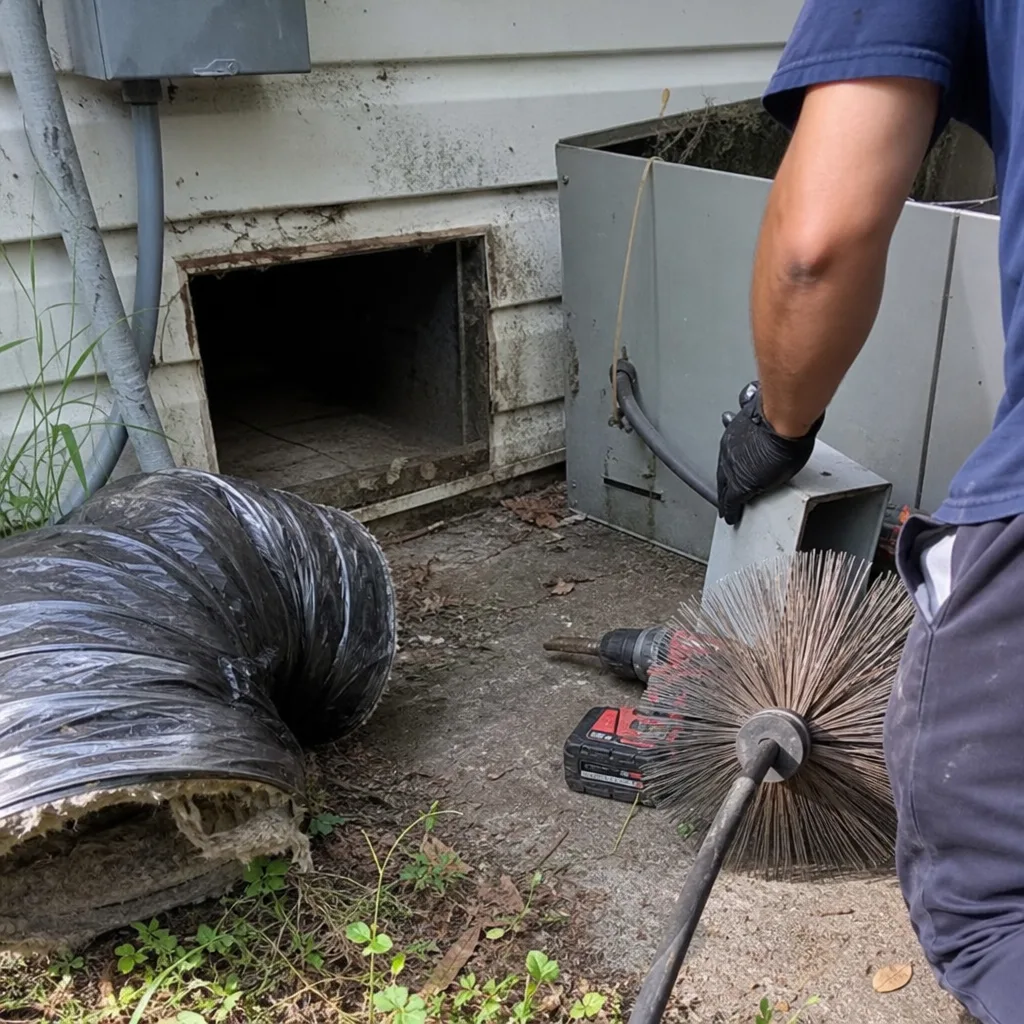 Before
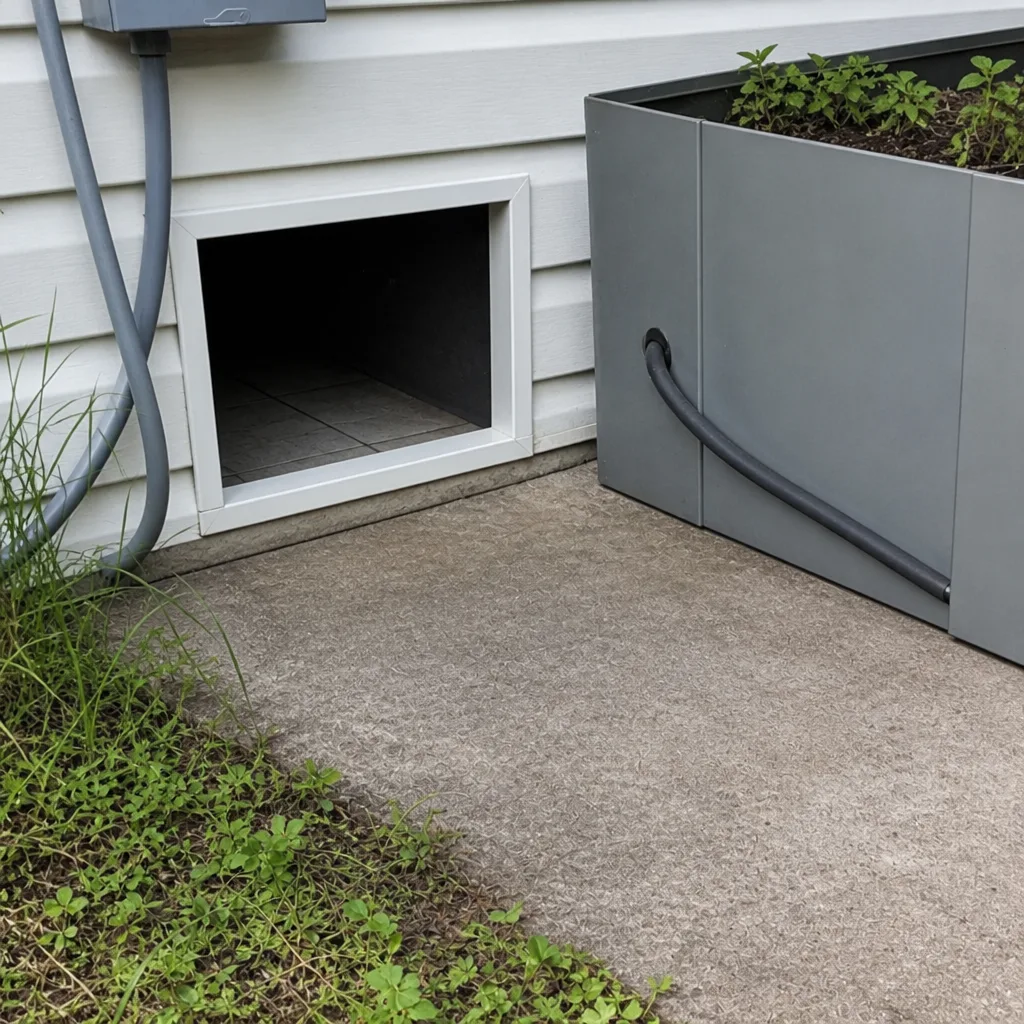 After
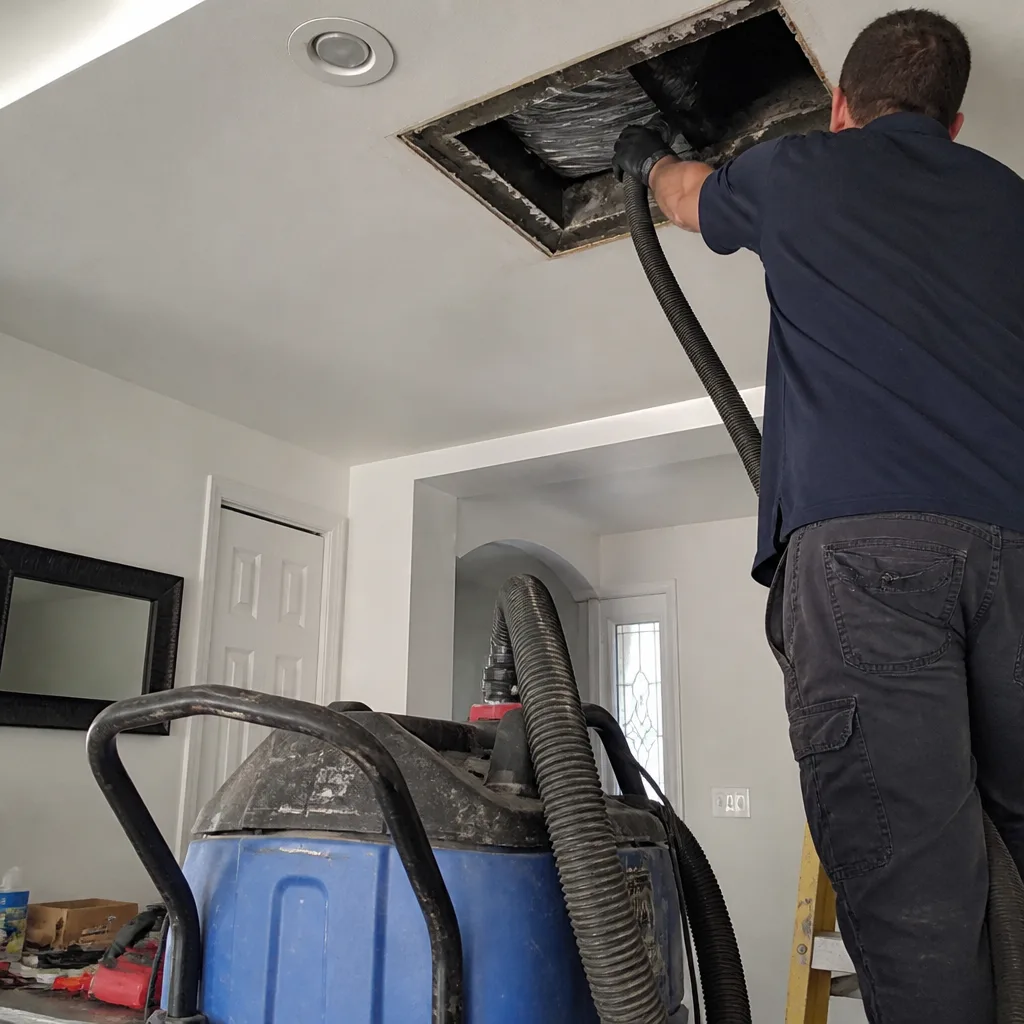 Before
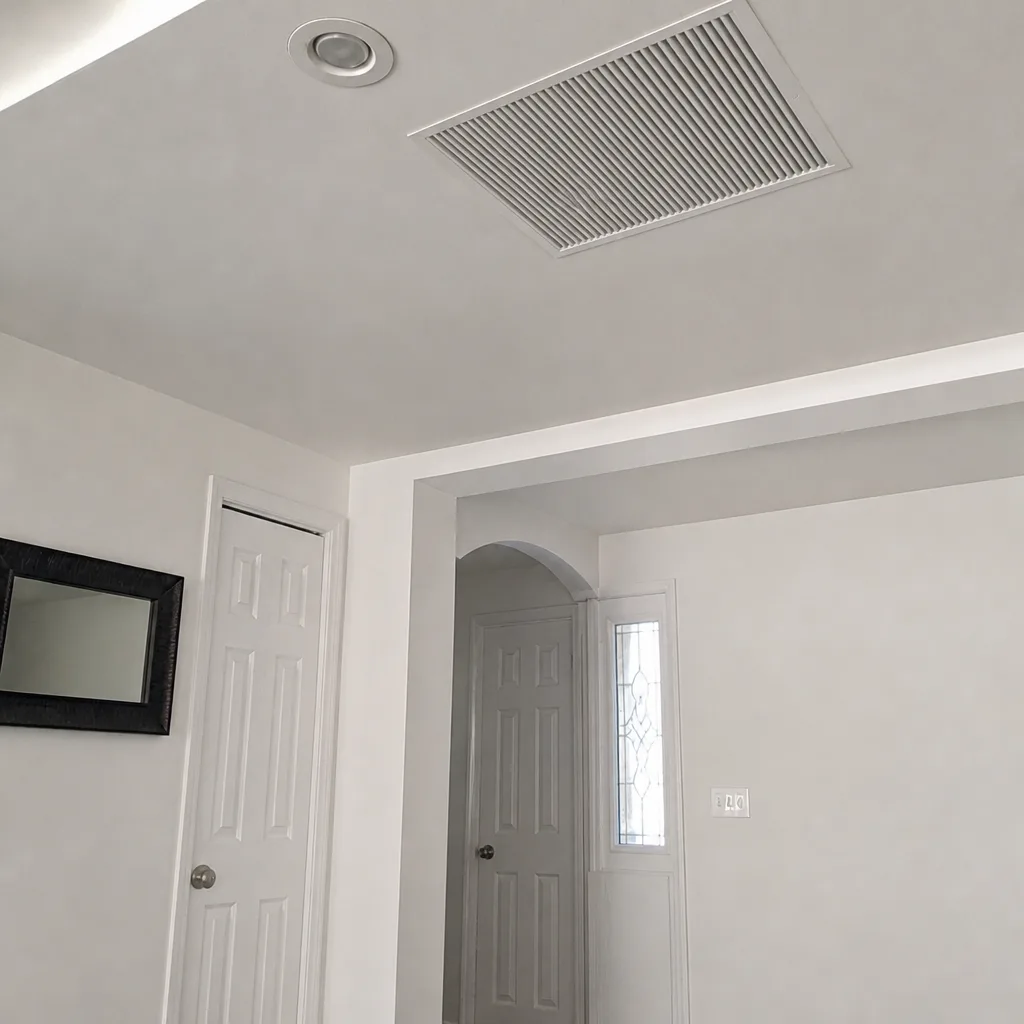 After
When to Call a Professional
Some calls are obvious: visible accumulation when you look inside an access panel, persistent musty odor from supply registers, a new respiratory diagnosis, a recent renovation, or rodent evidence. Less obvious is the value of a proper assessment when your schedule’s due. A thorough job is not a single vacuum pass. When we touch a system, we bring brush-agitation and HEPA extraction, and when a condition calls for containment, we bring Abatement Technologies equipment to capture particulate safely. Our Spring Hill customers get the same exact systems trusted in commercial and industrial work.
That matters because a schedule is only useful if the cleaning performed on the due date actually resets it. Consumer-grade equipment or a single blowout won’t do that. If you’re due and unsure how overdue, we’ll give you an honest read. Call (833) 858-5701 for a free estimate in Spring Hill. We answer 24/7. Fast dispatch from 7am to 7pm. Or reach us through our Spring Hill Fl service page to learn more about our three-service scope: air duct cleaning, dryer vent cleaning, and duct repair.
Frequently Asked Questions
In Florida, the year-round cooling season compresses the interval, so most homes land on a professional duct cleaning every two to four years. Homes with pets, allergy sufferers, or recent renovation need cleaning every one to two years. Low-occupancy homes with disciplined filtration can stretch to five. Call (833) 858-5701 for an exact assessment – estimates are free.
Some tasks are safe to do yourself: filter changes, return grille vacuuming, and condensate drain checks. Cleaning the duct interior, the blower wheel, or anything involving the system’s mechanical components is not a DIY job. A proper clean requires professional equipment to reach the full network and capture particulate without redistributing it. Call (833) 858-5701 to schedule a professional cleaning instead of attempting one.
A higher-MERV filter captures more at the return, so less settles in the ducts, and that can extend your interval. But the filter must be changed on schedule to realize the benefit. A loaded filter nullifies the advantage entirely. Understand how your filter pairs with your air quality equipment, and the interval falls into place. Call (833) 858-5701 if you’re unsure which MERV rating your system was rated for.
You ask for before-and-after photos of your own ducts, and you ask what equipment was used on the job. A thorough cleaning uses brush-agitation plus HEPA extraction, not a single vacuum pass. Ask what brands and machinery the technician brings before you book. Call (833) 858-5701 for a free estimate in Spring Hill and we’ll tell you exactly what a cleaning involves.
Cleaning removes accumulated dust, dander, and potential microbial buildup from the duct surfaces, which lowers what the system redistributes. For anyone with a diagnosis, that means a cleaner baseline to work from, though it’s one part of the picture alongside filtration. We work with Honeywell and Aprilaire systems so recommendations account for the full air quality picture. Call (833) 858-5701 for a free estimate.
Cheap quotes often reflect consumer-grade equipment or a single-wand blowout that doesn’t fully capture the particulate. When you compare, ask what systems are brought on site and whether before-and-after photos are included. A flat price per system, agreed before work starts, is the honest model. We’ll walk you through a fair estimate at (833) 858-5701 – estimates are free.
The Bottom Line
The schedule that keeps your Spring Hill home clean isn’t a calendar; it’s a decision tree with five inputs. Count your occupants, your pets, your allergy concerns, your filter discipline, and your months of cooling run-time; those push your interval toward one to two years, two to four years, or five. Then add the events that reset the clock entirely: renovation, water intrusion, rodent evidence, a new diagnosis, or a move-in. Between cleanings, stay disciplined on filter changes, grille vacuuming, and condensate checks, and use a particle counter or a visual access-panel peek when your schedule is close. When the number says it’s due, call (833) 858-5701 for a free estimate. We answer 24/7. Fast dispatch from 7am to 7pm.
Written by the team at Duct Cleaning Spring Hill.