
Last updated November 15, 2026
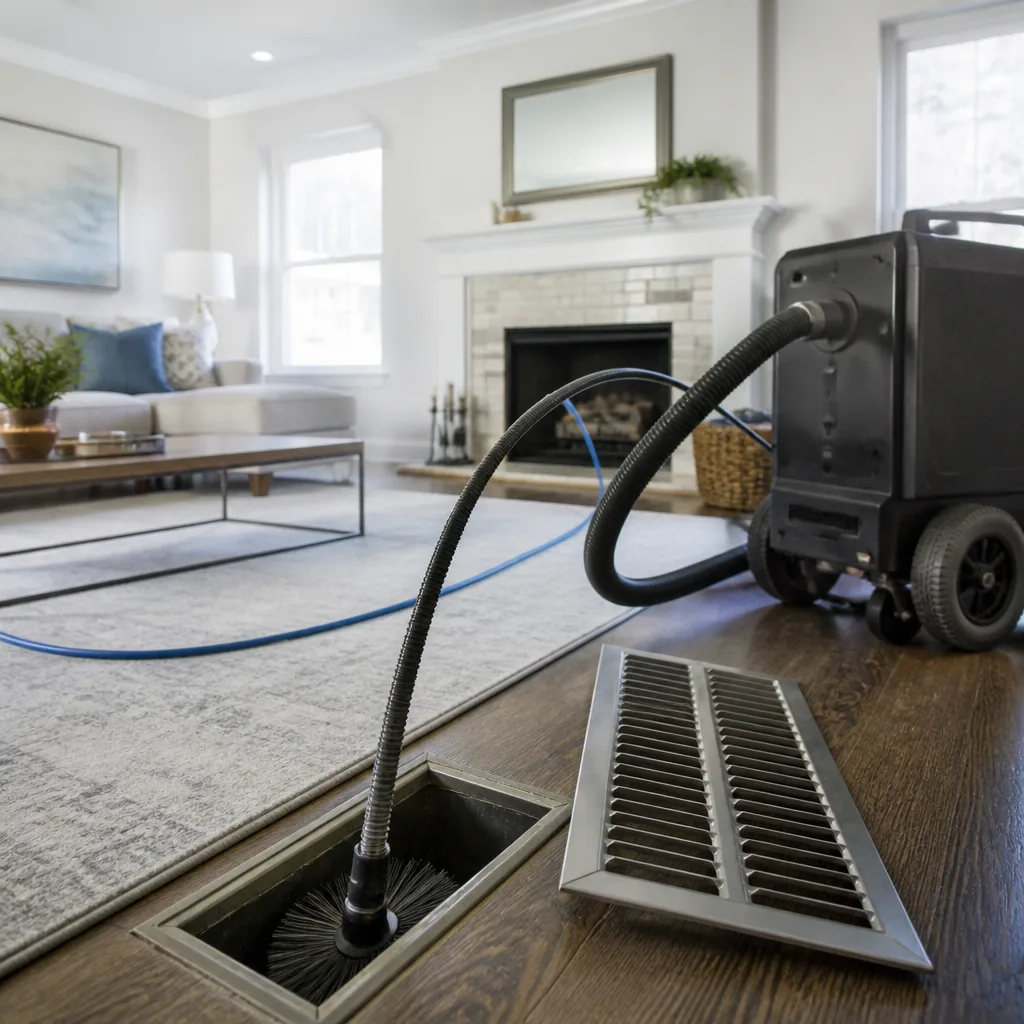 Whole-home duct cleaning
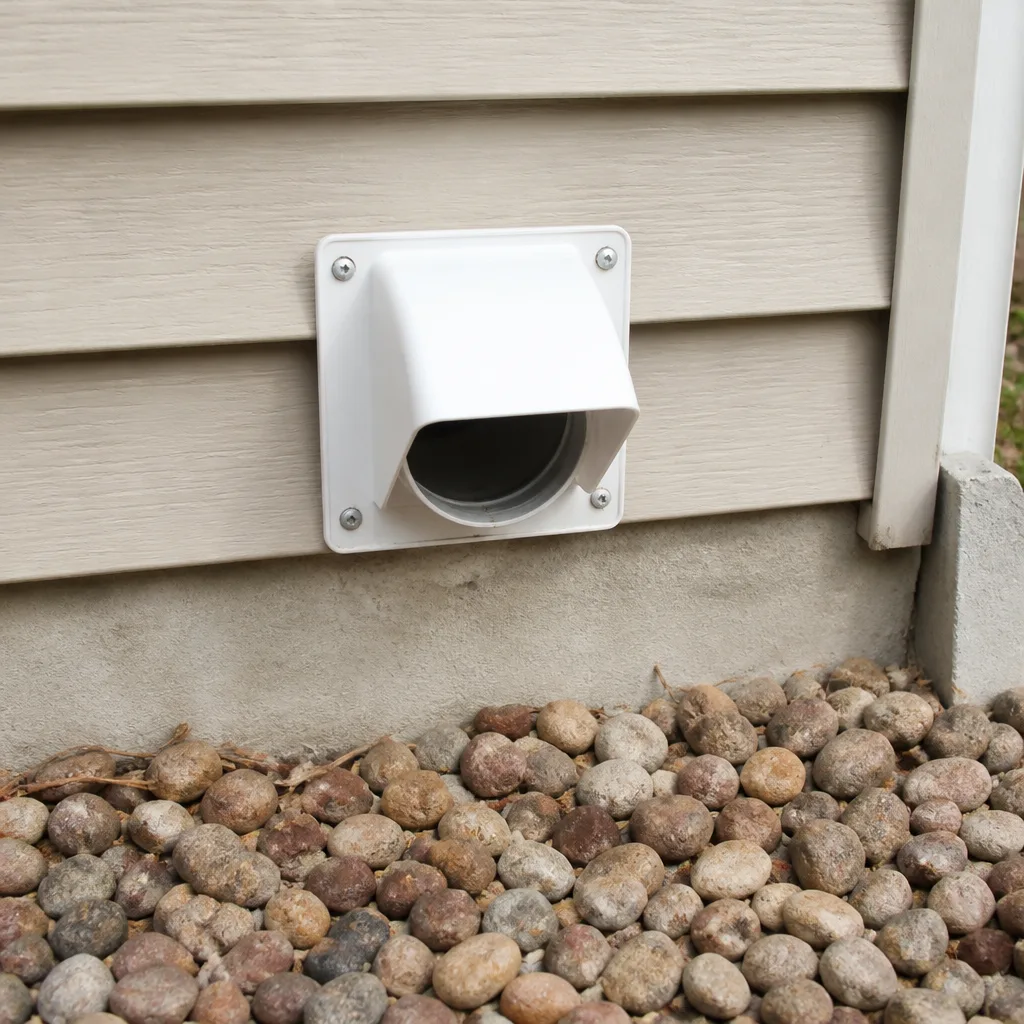 Dryer vent cleaning
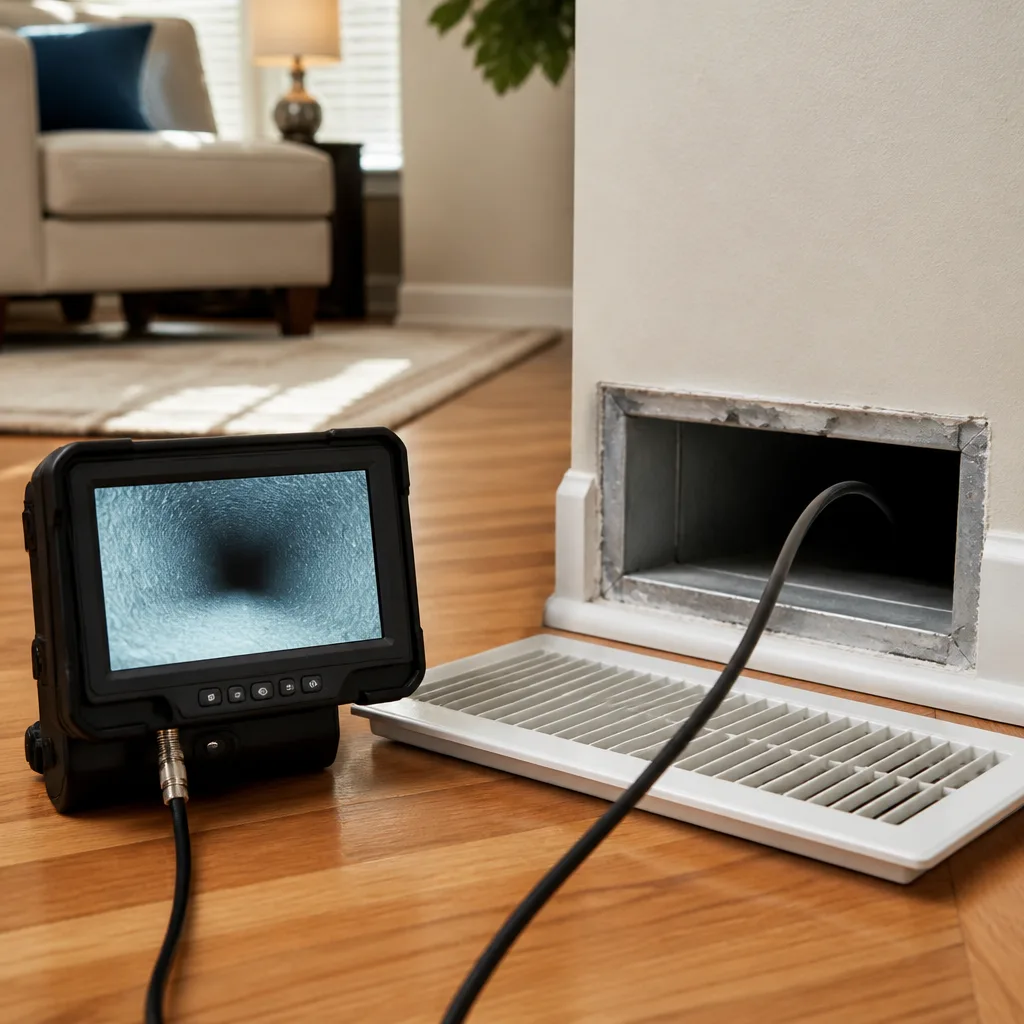 Camera inspection
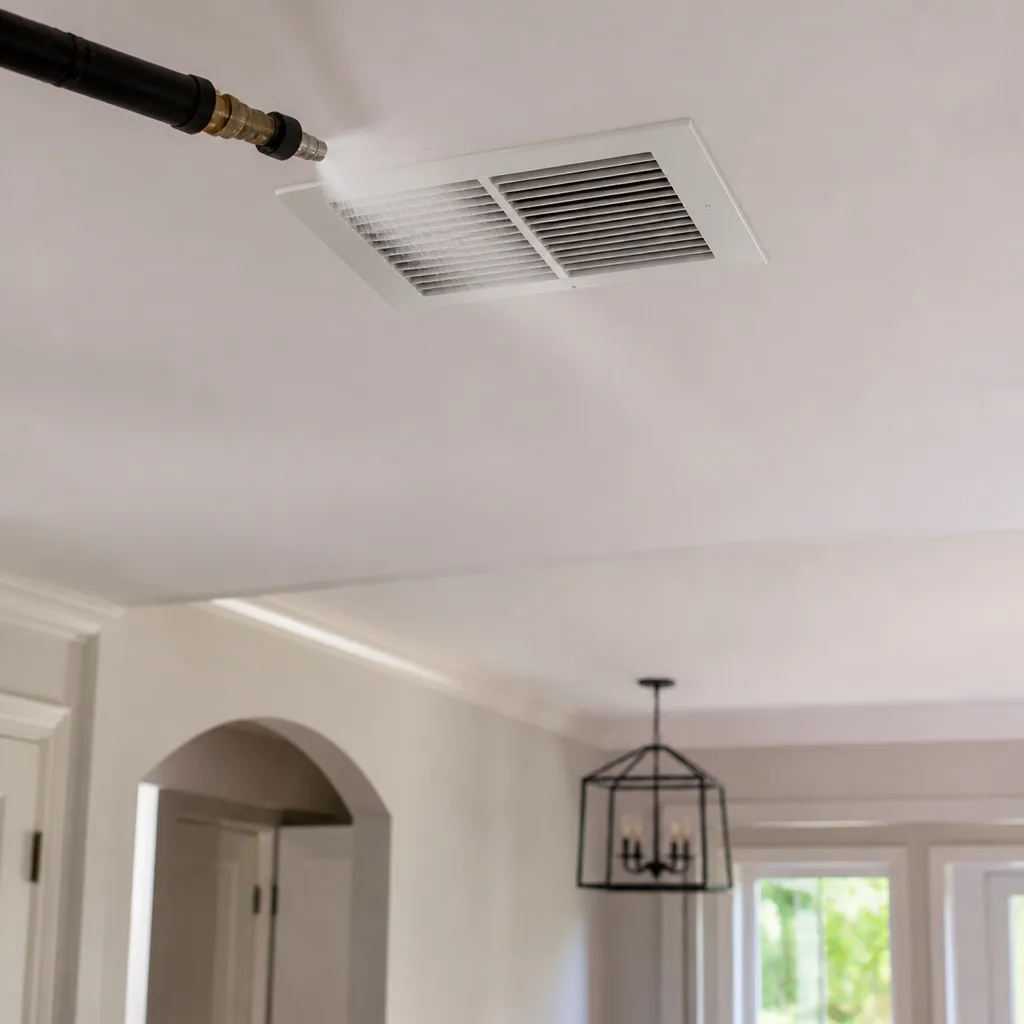 Sanitizing & deodorizing
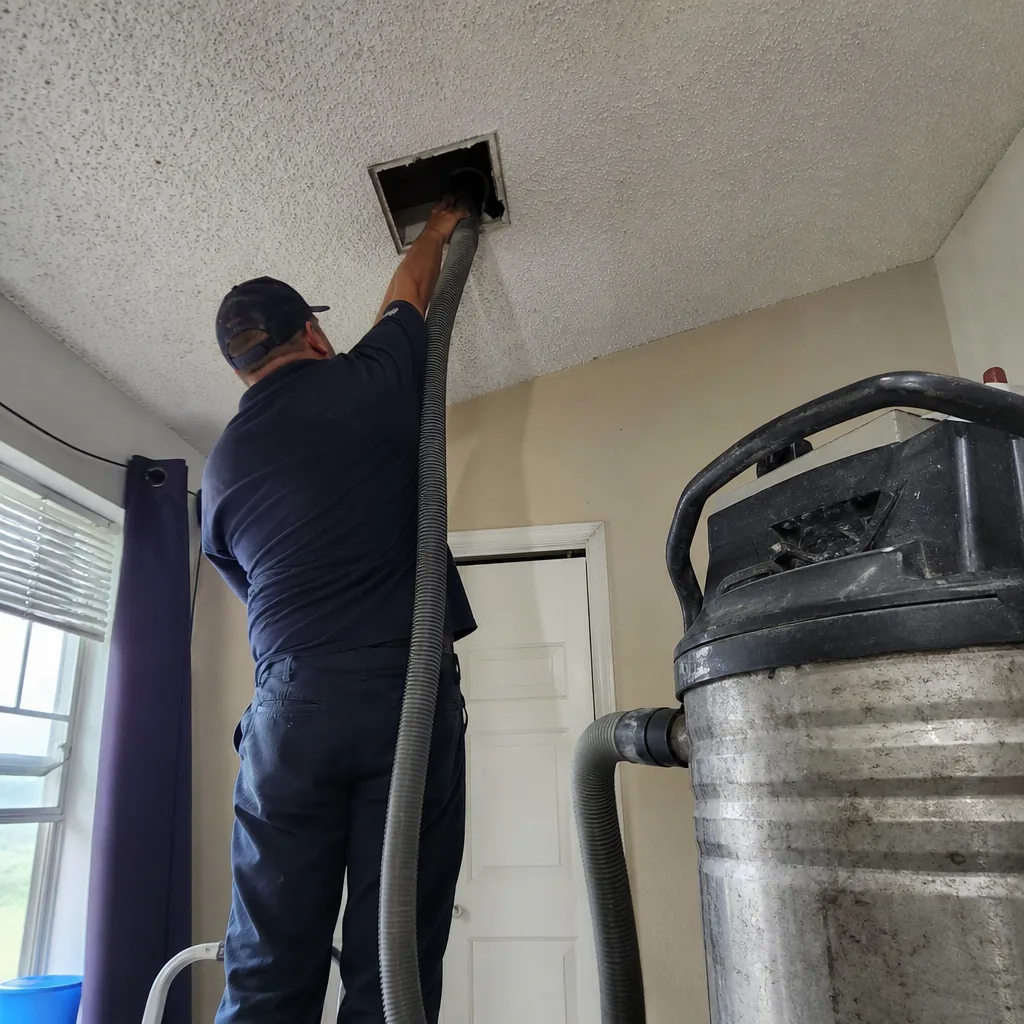
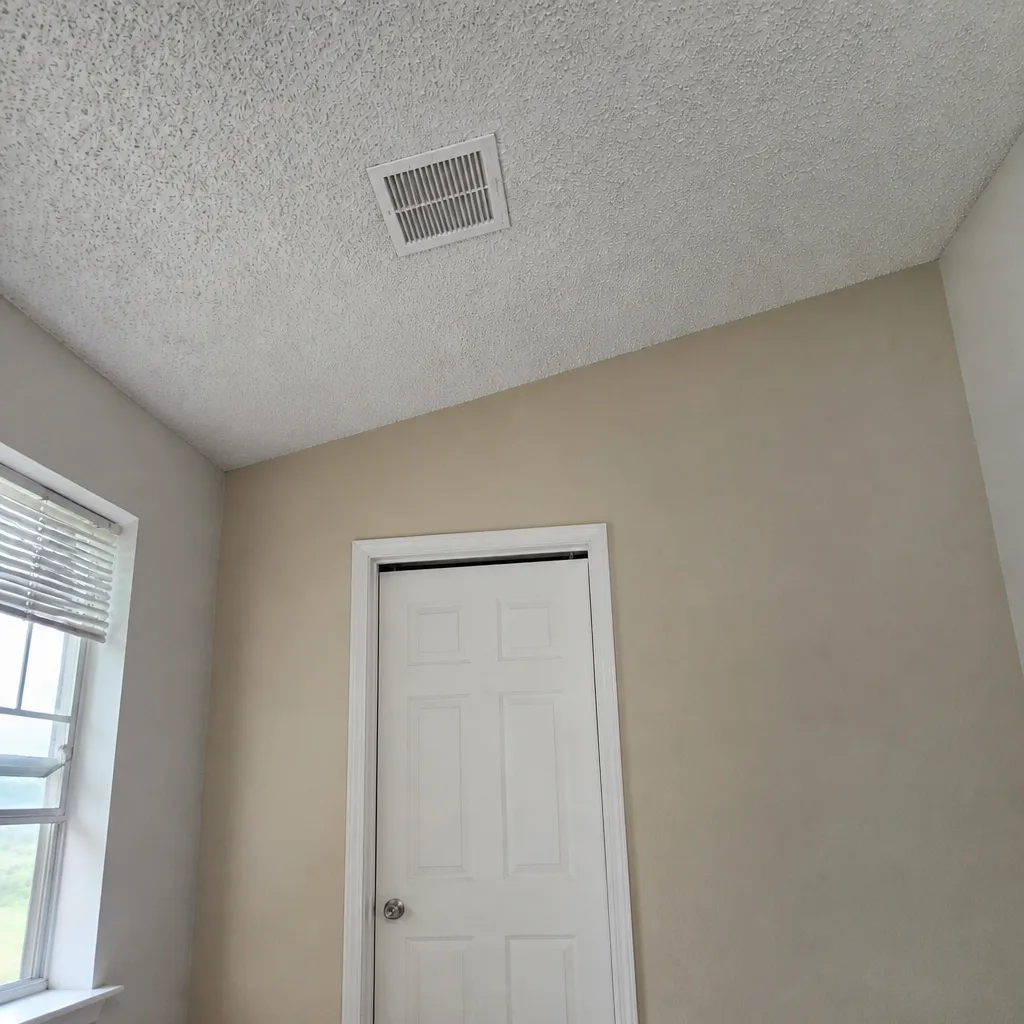
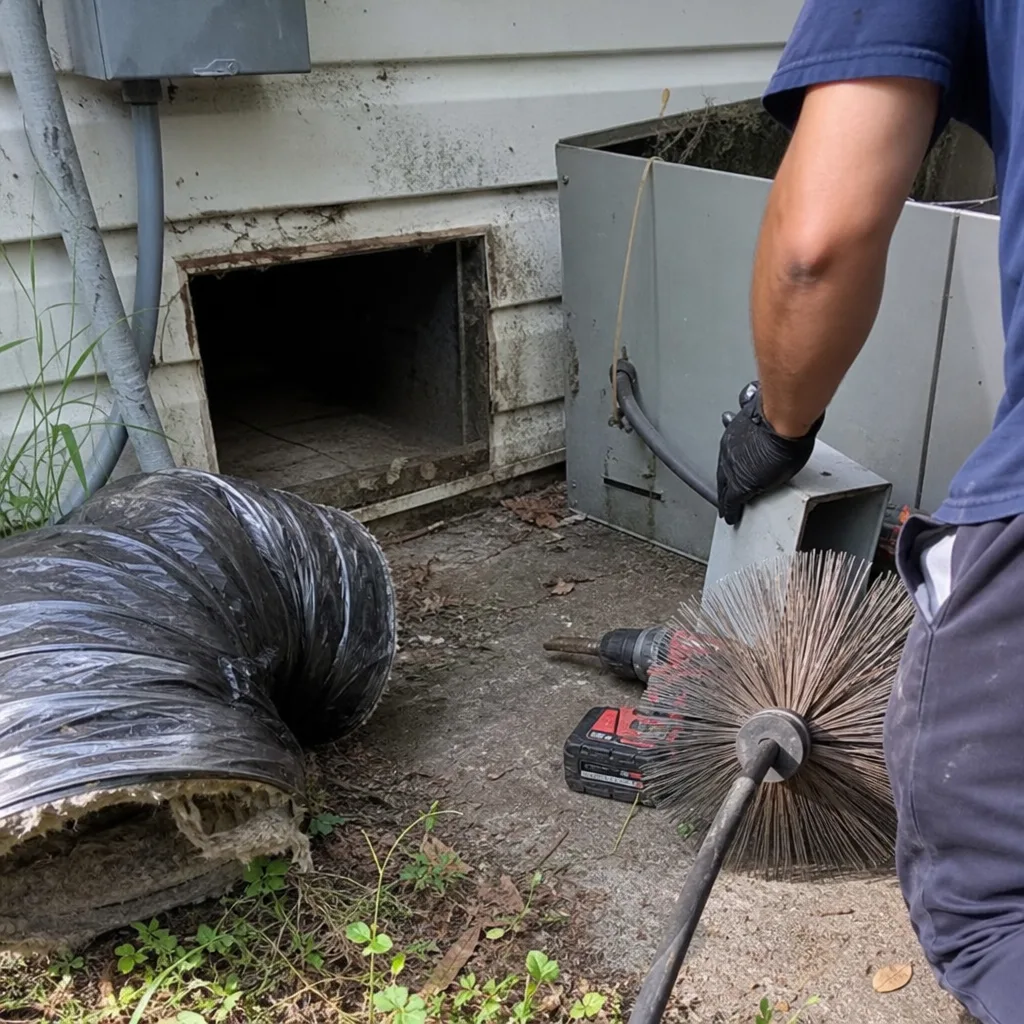
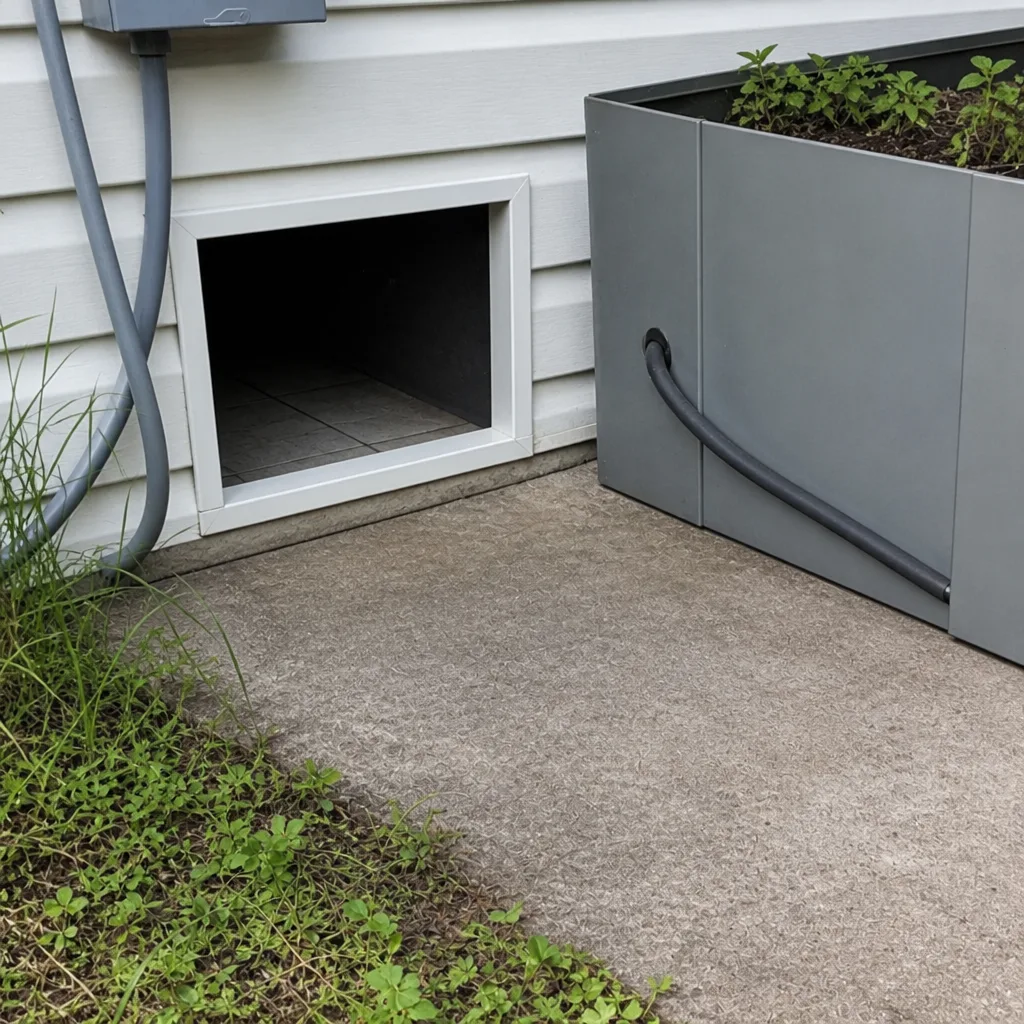
Whole-system duct and dryer vent check with before-and-after photos - you see exactly what came out of your vents
That "$99 whole-house special" is a bait ad - the real number appears once they are in your hallway, or the "clean" is a shop-vac at the register. We photograph the inside of your ducts before and after instead.
DIY vs Professional Air Duct Cleaning: The Spring Hill Homeowner’s Decision Guide
Most homeowners who start looking into duct cleaning assume the debate is about money. It isn’t. The real question is mechanical: can the tool in your garage actually reach the contamination that’s adhered to the inside of your duct walls, and can it remove that contamination without blowing it back into the rooms you sleep in? A shop vac with a brush attachment moves a small volume of air at the register. A professional negative air machine moves thousands of cubic feet per minute and pulls the entire duct system into a controlled vacuum. That’s not a bigger version of the same job. It’s a different physical process. This guide walks Spring Hill homeowners through what DIY can genuinely accomplish, where it fails, and how to decide which approach fits your home.
Quick Answer
DIY duct cleaning can handle surface dust at the registers and grilles you can reach, but it cannot clean the branch runs, main trunks, or plenum boxes where most contamination accumulates. Professional cleaning uses brush agitation plus HEPA-rated vacuum extraction under negative pressure, which physically dislodges adhered debris and captures it before it enters your living space. For routine maintenance in a clean home, DIY register wiping and filter changes are useful. For visible debris, musty odors, mold risk, or post-renovation dust, professional cleaning is the appropriate answer.
Styles & brands we work with
- Whole-home duct cleaning
- Dryer vent cleaning
- Camera inspection
- Sanitizing & deodorizing
Table of Contents
- What a Consumer Vacuum Actually Accomplishes
- What DIY Duct Cleaning Cannot Reach
- Why Negative Pressure Is Mechanically Necessary
- Contamination Scenarios Where DIY Can Be Harmful
- What Legitimate DIY Maintenance Looks Like
- Cost-Benefit: What DIY Actually Saves
- Why the Florida Climate Changes the Calculation
- What Professional-Grade Equipment Looks Like
What a Consumer Vacuum Actually Accomplishes
A household vacuum with a brush attachment generates roughly 100 CFM of suction at the hose. A pro-grade negative air machine generates 2,000 to 4,000 CFM. This difference matters because the physics of duct cleaning depend on turbulent airflow across the entire interior surface of the duct, not just the inlet at the register.
What a consumer vacuum can do is real, but narrow. It can pull loose dust and lint from the register face and the first few inches of the boot behind it. It can remove cobwebs and surface debris from the grille itself. If you’re the type of homeowner who notices dust accumulating on the visible vent slats, a brush-head vacuum is the right tool for that specific job, and it’s worth doing between professional cleanings.
Here’s what that approach accomplishes in practice:
- Register face cleaning: removes the visible dust film that builds up on the grille.
- Boot surface cleaning: reaches the first few inches of the duct visible after removing the grille.
- Loose debris pickup: catches what gravity or airflow has already detached and pulled toward the opening.
- Filter housing wipe-down: reduces the dust load entering the return.
What we’ve seen the DIY approach consistently fail to do is address the adhesive layer of contamination that clings to the interior walls of the duct runs – the material that’s bonded to the galvanized steel or flex duct liner and won’t come off without mechanical agitation. That’s where air duct cleaning by a trained technician with the right tools becomes a different category of job, not a more expensive version of the same one.
What DIY Duct Cleaning Cannot Reach
Consumer vacuums cannot clean most of the duct system. The reachable percentage is small – typically the register openings and a few inches behind them – while the majority of the duct system is a network of branch runs, main trunks, and a plenum box above or below your air handler that no household tool can physically access.
Spring Hill homes vary widely in duct layout. Single-story ranch homes built during the area’s earlier growth phases often have flex duct runs snaking through the attic, with 15- to 30-foot branch lines that no vacuum hose can navigate past the first bend. Two-story homes typically add a long trunk riser and a second distribution box. In both cases, the contamination that matters – settled particulate, adhered dust mats, and biological growth – lives in sections of the system that are mechanically closed to consumer tools.
The parts of the system DIY can’t reach include:
- Branch runs: the individual ducts feeding each register, often 10 to 30 feet long with one or more bends.
- Main trunks: the larger rectangular or round ducts that feed the branches, which carry the highest volume of airflow and accumulate the most settled debris.
- Plenum boxes: the transition chambers at the air handler where supply and return air separate, often the dustiest part of the entire system.
- Return ducts: the return path carries unfiltered air back to the air handler and collects a distinct layer of debris that supply-side cleaning doesn’t touch.
- Air handler interior: the evaporator coil and blower compartment, which we address as part of a full system cleaning – though coil cleaning itself is outside our service scope, so we advise on it and coordinate as needed.
If a homeowner in Spring Hill with a 2,000-square-foot home tries to clean the ducts themselves, the actual cleaned surface area will be a small fraction of the total duct interior. That’s not a criticism of the effort. It’s a description of the geometry.
Why Negative Pressure Is Mechanically Necessary
Negative pressure is the single most important mechanism in professional duct cleaning because it changes the direction of particle movement. Without it, brushing or agitating a contaminated duct wall sends the loosened debris into the airstream and out into the room. With it, the entire duct system is held under a pressure differential that pulls particles toward the collection point and captures them in HEPA-rated filtration before they can escape.
Source removal – the industry term for cleaning the duct while the contamination is captured at the source – is what makes this safe. The process in a professional cleaning works in roughly this order:
- Set negative pressure: a HEPA vacuum is connected to the duct system at a strategic access point, pulling the entire system into a sustained pressure differential.
- Create access points: technicians cut small, resealable access ports at key junctions so the rotary brush and vacuum hose can reach the interior.
- Agitate the duct walls: a rotary brush – the Rotobrush system is built for exactly this – spins against the duct wall to break the bond between contamination and metal.
- Extract under vacuum: the loosened material is pulled through the HEPA-rated capture system while the brush is still working, so nothing settles back onto the duct wall.
- Verify and reseal: technicians visually confirm the duct interior is clean and reseal every access port.
The reason this matters for Spring Hill homes specifically is that localized humidity and warm interior temperatures mean any debris that settles back onto a duct wall has a realistic chance of growing. If your cleaning method redistributes contamination into the living space, you’ve added a step rather than removed one. We use Nikro HEPA-rated vacuum extraction for exactly this reason – it’s a capture-before-release system, not a blowout.
For jobs involving biological contamination, post-construction dust, or fine particulate that standard HEPA capture might not fully contain, we also have Abatement Technologies equipment on hand to establish proper containment. That’s a different tier of machinery than most cleaning-only providers carry, and it changes what’s possible on difficult jobs.
Contamination Scenarios Where DIY Can Be Harmful
Some duct contamination is not just a maintenance issue – it’s a situation where do-it-yourself cleaning can make the indoor air worse. Three scenarios in particular call for professional containment rather than a household vacuum: mold growth inside the ductwork, rodent or pest debris, and heavy post-construction dust.
Mold growth inside ducts
If you smell a persistent musty odor when the system runs, or if you can see dark discoloration near a register or on the air handler insulation, there’s a reasonable chance of microbial growth inside the ducts. Agitating that material with a household brush without HEPA containment aerosolizes mold spores into the airstream. The next time the system runs, those spores distribute into every room of the house. Professional cleaning with negative pressure and HEPA-rated capture prevents that, and if the situation turns out to be more than surface growth, we can tell you what we see and recommend the right next step. What we don’t do is mold remediation as a service – that’s a separate specialty, and we’ll be clear about it.
Rodent or pest activity
Droppings, nesting material, and urine in ducts are a health concern beyond dust. Household vacuums are not designed to capture the fine particulate that comes off pest debris, and the biohazard aspect is real. Professional cleaning with proper PPE, containment, and HEPA capture addresses both the debris and the contamination it leaves behind.
Post-construction or renovation dust
Drywall dust, sawdust, insulation fibers, and construction particulate are fine, abrasive, and prone to redistribution. A renovation in a Spring Hill home almost always pushes a large volume of this material into the return ducts, and the main trunk and plenum typically collect most of it. Professional cleaning removes the bulk before the system circulates it through the living space on every cycle.
What Legitimate DIY Maintenance Looks Like
DIY duct maintenance is genuinely useful when the scope is right. The tasks that make a measurable difference are the ones that reduce the load on the system between professional cleanings, not the ones that try to substitute for them.
These are the DIY tasks that hold up:
- Wipe the register grilles every few weeks – the visible dust film on the slats is real dust, and removing it keeps the airflow path from building a mat.
- Replace or clean your filter on schedule. A 1-inch pleated filter should be changed every 1 to 3 months depending on the household. A clogged filter is the most common cause of elevated duct dust in Spring Hill homes because the low airflow lets particulate settle instead of travel.
- Inspect the dryer vent visually. Pull the dryer out, check the exhaust hose behind it for kinks or crushed sections, and confirm the exterior vent flap opens freely. Don’t try to clean a dryer vent with a household vacuum – that’s a different service, and the fire risk is real. Reach out for dryer vent cleaning when the vent run looks restricted or when the dryer is taking longer than it used to.
- Keep supply registers unobstructed. Furniture, rugs, and curtains blocking registers increase static pressure and change how debris settles in the system.
- Vacuum the return grille regularly. The return carries unfiltered air back to the air handler, so the return grille accumulates dust faster than the supply side.
What’s not on this list is the house vacuum attempt to clean inside the ducts themselves. That falls into the category of “looks productive but isn’t,” and in the mold and pest scenarios above, it can be actively counterproductive.
If you notice duct damage while you’re doing these checks – a crushed section of flex duct, a disconnected joint, a torn duct liner – that’s a repair problem, not a cleaning problem. We offer air duct repair specifically because cleaning a damaged system just moves the problem around.
Cost-Benefit: What DIY Actually Saves
DIY duct cleaning saves the cost of a professional cleaning and delivers a fraction of the result. The honest way to frame it: DIY is free, but it doesn’t accomplish the job; professional cleaning has a cost, but it produces a documented outcome. What matters is which one actually changes the indoor air quality in your home.
Professional air duct cleaning is priced per system, not per vent, and a written estimate sets the final price before work starts. That’s the model we work from, and any provider that quotes a per-vent price or a teaser number over the phone before seeing the system is likely to change the number once a technician is on site. What you’re paying for is not just the labor hours – it’s the equipment, the containment, the verification, and the fact that the work actually reaches the parts of the system that matter.
What the comparison looks like in practice:
- DIY (household vacuum): zero cost, cleans register faces and the first few inches behind them, does not reach branch runs, trunks, plenum, or return ducts, no containment against redistributed particulate.
- Professional cleaning: one flat price per system set by written estimate, cleans the whole duct network including branches, mains, and plenum, HEPA-rated capture under negative pressure, before-and-after photos so you can see what was removed.
The measurable outcome difference is what you’d expect from that description. The house vacuum removes a small amount of visible dust. The professional system removes the adhered contamination mat that has built up over years. Those aren’t the same task at different price points – they’re two different processes with different results.
If cost is the primary concern, ask for the written estimate and compare it to what you’re getting for it. Our technicians have up to 9 years of experience, and we’re happy to walk through what a full cleaning covers in your specific system before any work begins.
Why the Florida Climate Changes the Calculation
Spring Hill’s warm, humid climate raises the stakes on duct contamination compared to dryer parts of the country. High interior humidity means any biological contamination inside a duct has weeks, not seasons, to develop – and once established, mold inside an HVAC system can be difficult to fully resolve without professional cleaning followed by an assessment of the underlying moisture source.
There’s a specific dynamic worth understanding. Air conditioning removes moisture from the air as it cools it, which is why running the AC is itself a dehumidification mechanism. When the system runs normally, ducts stay dry enough that biological growth is unlikely. When rooms are closed off, when the system is undersized, or when ductwork has gaps and unsealed joints drawing hot attic air into the supply side, the humidity inside the ducts can climb into the range where mold becomes a realistic concern. Spring Hill homes with attic-mounted flex duct are particularly prone to this because the attic environment is hot and humid for much of the year.
What this means for the DIY vs professional decision:
- If you’re already seeing moisture in the ducts, or smelling mustiness when the AC kicks on, don’t agitate the ducts with a household vacuum – it can aerosolize mold spores.
- If you’ve noticed increased allergy symptoms that improve when you’re away from home, professional cleaning with HEPA capture is worth evaluating.
- If you’re familiar with your Spring Hill home’s airflow pattern and suspect a duct issue, ask for an inspection before deciding on cleaning.
This is also where IAQ-aware technicians matter. If your home has a Honeywell or Aprilaire filtration system, whole-home dehumidifier, or a bypass humidifier, cleaning recommendations should account for the whole air quality picture – which filtration the system uses, where the filter housing sits, and how the cleaning will interact with that equipment. Generalist HVAC companies often skip this. It’s the kind of thing we look at on every job.
What Professional-Grade Equipment Looks Like
Professional duct cleaning means purpose-built equipment, not a bigger consumer vacuum. The systems that matter fall into three categories: agitation (getting the debris off the duct wall), extraction (capturing it before it distributes), and containment (keeping the whole job sealed under negative pressure).
What we bring to a Spring Hill job reflects those categories:
- Rotobrush rotary brush system: mechanical agitation that spins against the duct wall and frees adhered contamination without damaging the duct material.
- Nikro HEPA-rated vacuum extraction: the capture side of the operation, pulling loosened debris out of the system while the brush is still working.
- Abatement Technologies equipment: for the heavier jobs – biological contamination, post-construction dust, and cases where the containment needs to be remediation-grade.
- Guardsman and Honeywell/Aprilaire system familiarity: we know how the filtration and air quality products installed in your home interact with the duct system, so the cleaning you get is coordinated with the equipment you run.
The point isn’t the brand names themselves. It’s that the equipment determines whether the cleaning physically functions. A single-wand system that agitates and vacuums through one opening will clean the immediate area around the wand, but it won’t hold the whole duct network under the pressure differential that captures redistributed particulate. Brush agitation plus HEPA extraction under sustained negative pressure is the method industrial and commercial duct cleaning specialists use, and it’s the method we use in Duct Cleaning Spring Hill homes every week.
If you’re comparing providers, ask what equipment they’ll be running. The answer tells you what kind of job you’re actually buying.
Common Mistakes to Avoid
- Using a household vacuum and assuming the ducts are clean. The vacuum reaches the register and a few inches behind it. The rest of the system stays untouched, and the absence of visible dust on the register is not evidence the ducts are clean.
- Brushing mold-contaminated ducts without HEPA containment. Agitation without capture aerosolizes spores into the living space. If you smell mustiness when the system runs, get a professional assessment before doing anything that disturbs the duct interior.
- Blaming dust on the ducts when the filter is the real issue. A clogged filter is one of the most common culprits behind dust problems in Spring Hill homes, and it’s a five-minute fix. Check the filter before assuming the ducts need cleaning.
- Booking a provider who quotes per vent over the phone. Per-vent pricing is the classic bait-and-switch setup – the number changes once the technician is on site. Ask for a flat price per system, set by written estimate before work begins.
- Skipping the dryer vent because the ducts were cleaned. These are separate systems with separate failure modes. A restricted dryer vent is a fire risk regardless of how clean the supply ducts are.
- Ignoring duct damage during cleaning. A crushed flex run or disconnected joint will keep letting dust into the system regardless of cleaning frequency. Get it repaired before or alongside the cleaning.
- Cleaning once and assuming it solves the problem permanently. Duct contamination reaccumulates. Frequency depends on your home’s filter discipline, pet load, and whether anyone smokes. A professional cleaning every few years is typical for a well-maintained home, and more often for homes with pets, allergies, or recent renovation.
See the difference
 Before
 After
 Before
 After
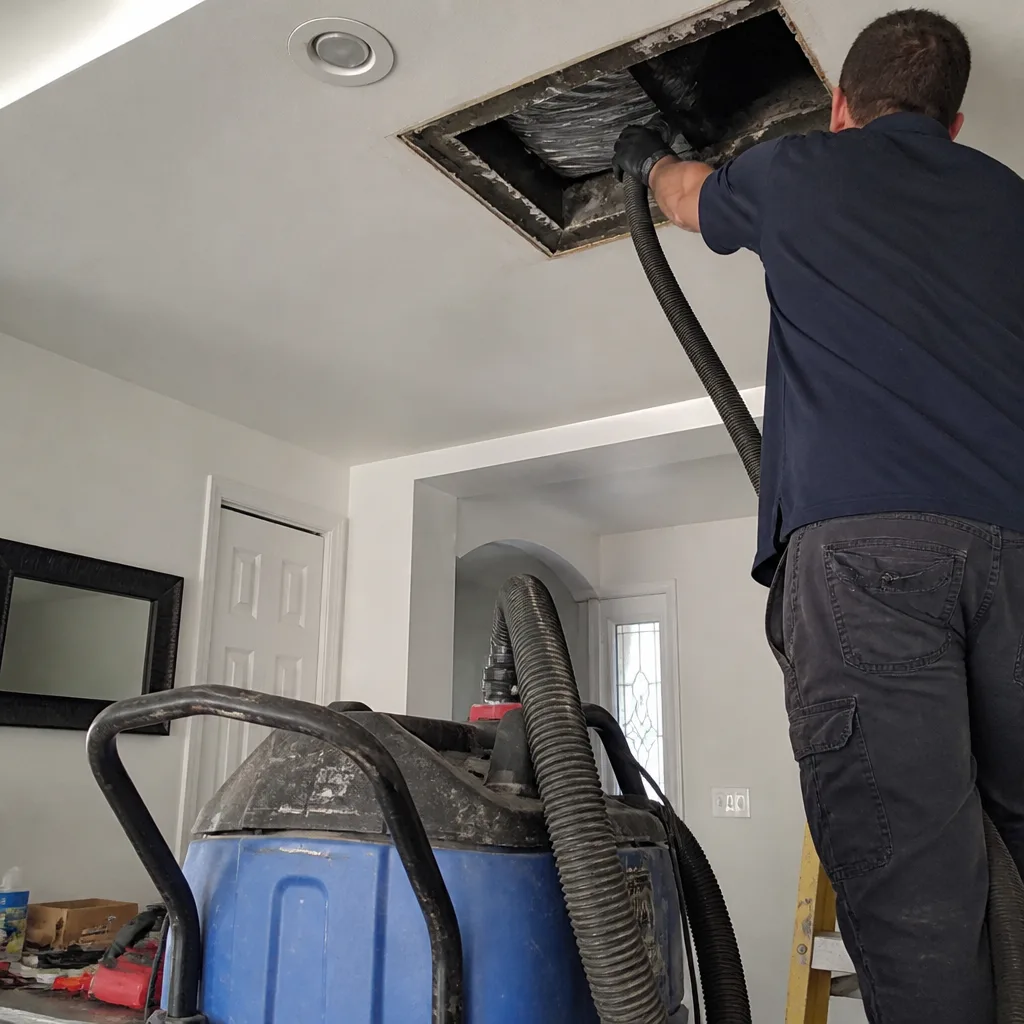 Before
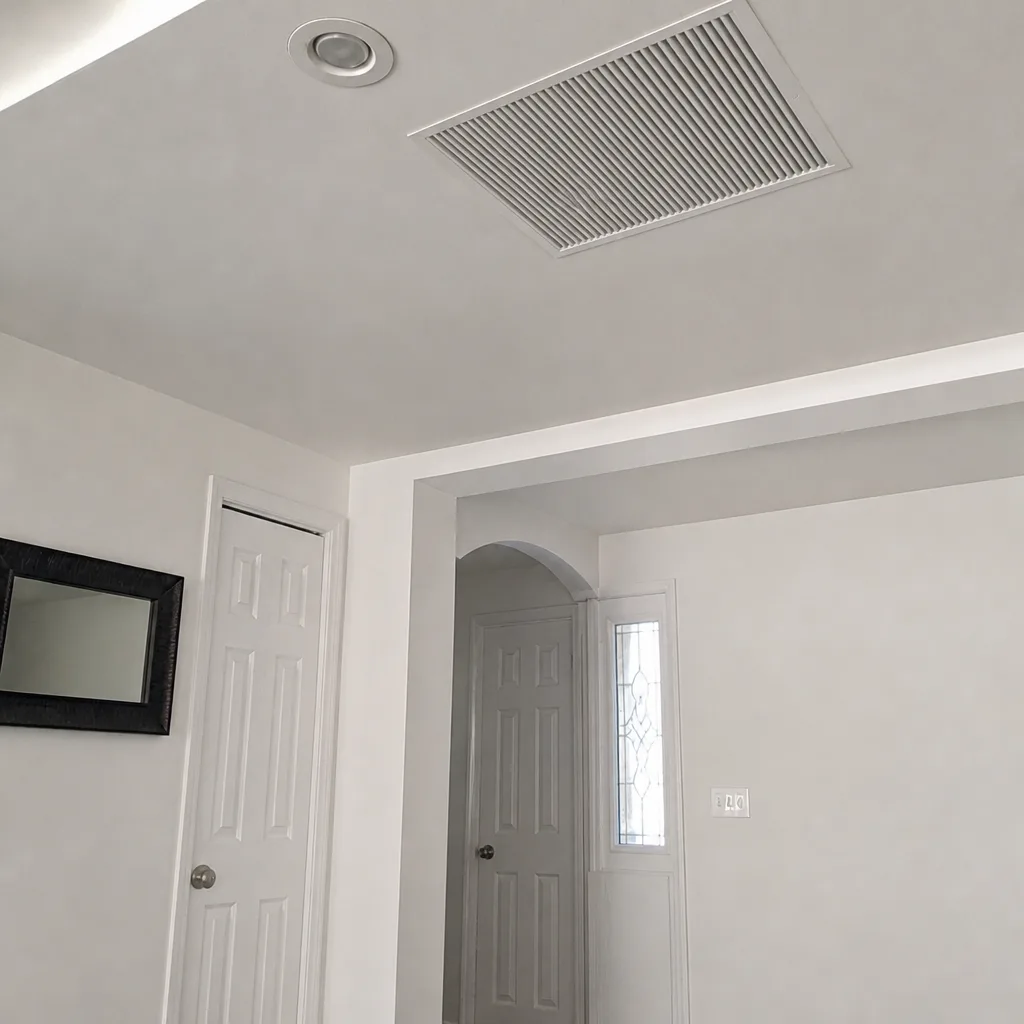 After
When to Call a Professional
Call a professional when the duct contamination exceeds what a vacuum can reach, when the situation involves potential biological growth or pest debris, or when you’re planning to rely on the system’s airflow for health reasons. The specific scenarios: persistent musty odors when the system runs, visible debris or discoloration around registers, a recent renovation that produced heavy dust, a move-in to a home where duct history is unknown, allergy or asthma symptoms that improve away from home, or pet households where dander load has built up over years.
Duct Cleaning Spring Hill offers free estimates in Spring Hill – call (833) 858-5701. We answer 24/7. Fast dispatch from 7am to 7pm, Sunday through Friday. Estimates are per system, written, and set the final price before any work begins.
Frequently Asked Questions
Only the surface of the registers and the first few inches behind them. A shop vac generates far too little airflow to clean the branch runs, main trunks, or plenum, and it has no HEPA containment to capture what it disturbs. It’s fine for wiping grilles and picking up visible surface dust. It’s not a substitute for professional cleaning of the duct system itself.
Professional air duct cleaning is priced per system, not per vent, and a written estimate sets the final price before work starts. That’s the honest model – any per-vent teaser price is just a phone number, not a real quote. Call (833) 858-5701 for an exact quote on your home; estimates are free.
Because they’re not for the same job. A cheap quote usually means a single-vacuum, single-wand setup with no rotary agitation, no HEPA-rated capture, and no containment – which means the duct walls aren’t actually being cleaned. The cost difference reflects the equipment and the method, not the outcome being the same. Ask what equipment will be on site, and compare from there. For an honest per-system estimate, call (833) 858-5701.
Insist on before-and-after photos of your own ducts, not stock images. A provider running proper equipment should be able to show you the interior before cleaning and again after. We take before-and-after photos on every job so you can see what was removed from your specific system. Call (833) 858-5701 to schedule an estimate.
For a typical home with regular filter changes, every few years is reasonable. Homes with pets, allergy or asthma sufferers, recent renovations, or a history of moisture concerns usually benefit from more frequent cleaning. The honest answer depends on your household. If you’re unsure, an inspection will tell you more than a general rule. Call (833) 858-5701 to talk through your situation.
It can reduce the dust, dander, and particulate load that circulates through the home, which is one factor among several. If allergy symptoms improve away from home and worsen when the system runs, duct cleaning combined with filter discipline is a reasonable step. It’s not a medical solution, and we won’t pretend otherwise – but reducing what’s in the airstream is meaningful. Call (833) 858-5701 for a free estimate on your Spring Hill home.
The Bottom Line
The DIY vs professional duct cleaning decision comes down to physics, not preference. A household vacuum pulls air at a fraction of the rate needed to dislodge adhered contamination, and it can’t reach the branch runs, trunks, or plenum where most of the debris lives. Professional cleaning works because brush agitation plus HEPA-rated extraction under negative pressure physically removes contamination the home vacuum can’t touch – and captures it before it enters the room. DIY register wiping and filter discipline are worth doing. For actual duct cleaning, especially in Spring Hill’s humid climate where biological contamination is a realistic concern, professional equipment is the appropriate answer. We use Rotobrush, Nikro, and Abatement Technologies gear because it works, and we offer a written, flat per-system price so you know what you’re getting before anything begins.
Call (833) 858-5701 for a free estimate. We answer 24/7. Fast dispatch from 7am to 7pm, Sunday through Friday. Clean ducts, repaired ducts, clear vents – we handle all three, so nothing gets left half-done.
Written by the team at Duct Cleaning Spring Hill.