
Last updated November 15, 2026
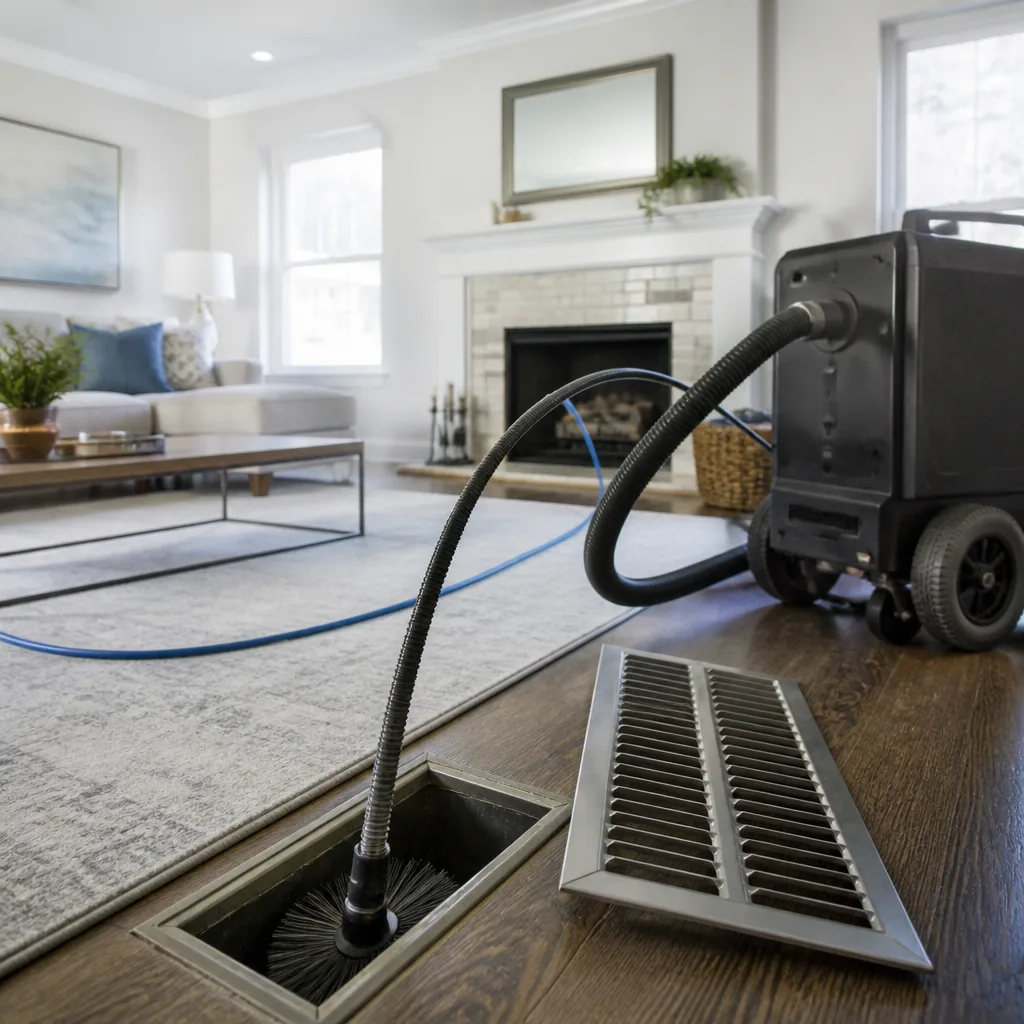 Whole-home duct cleaning
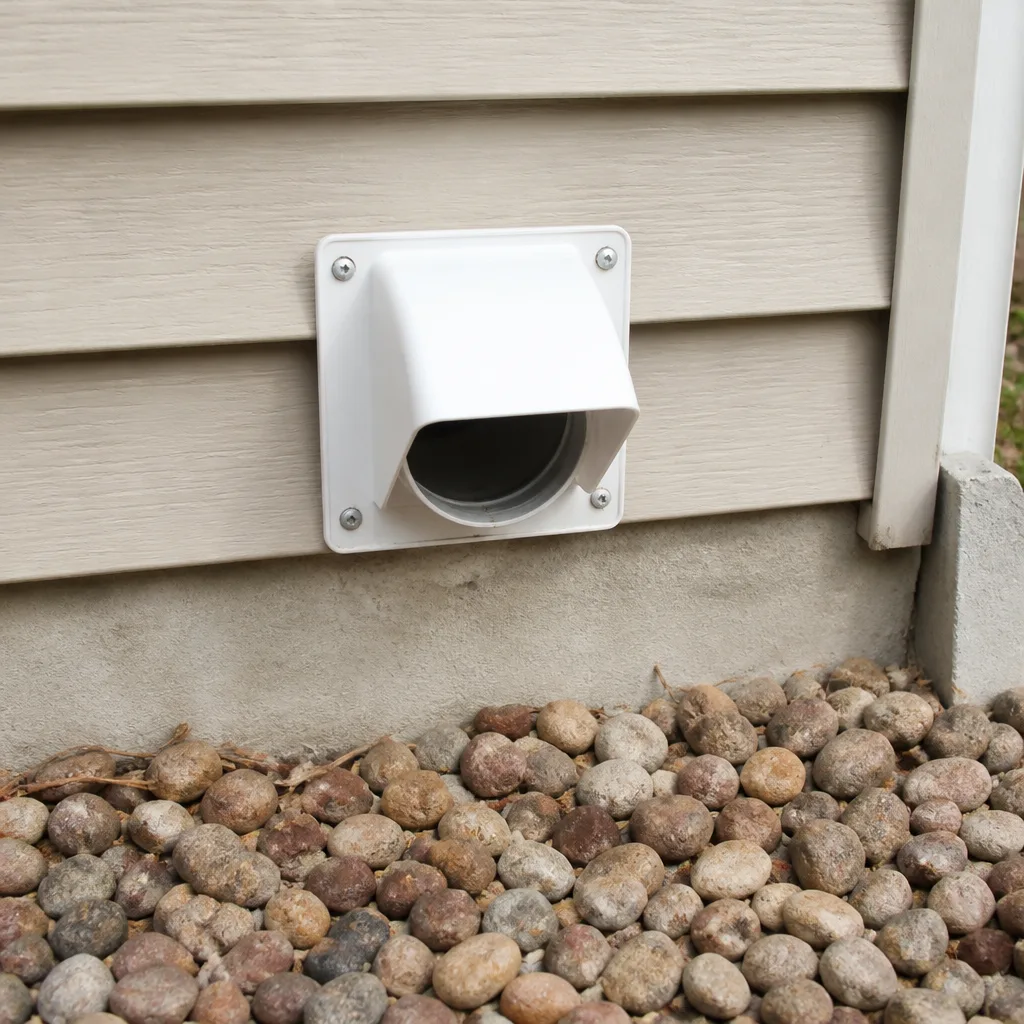 Dryer vent cleaning
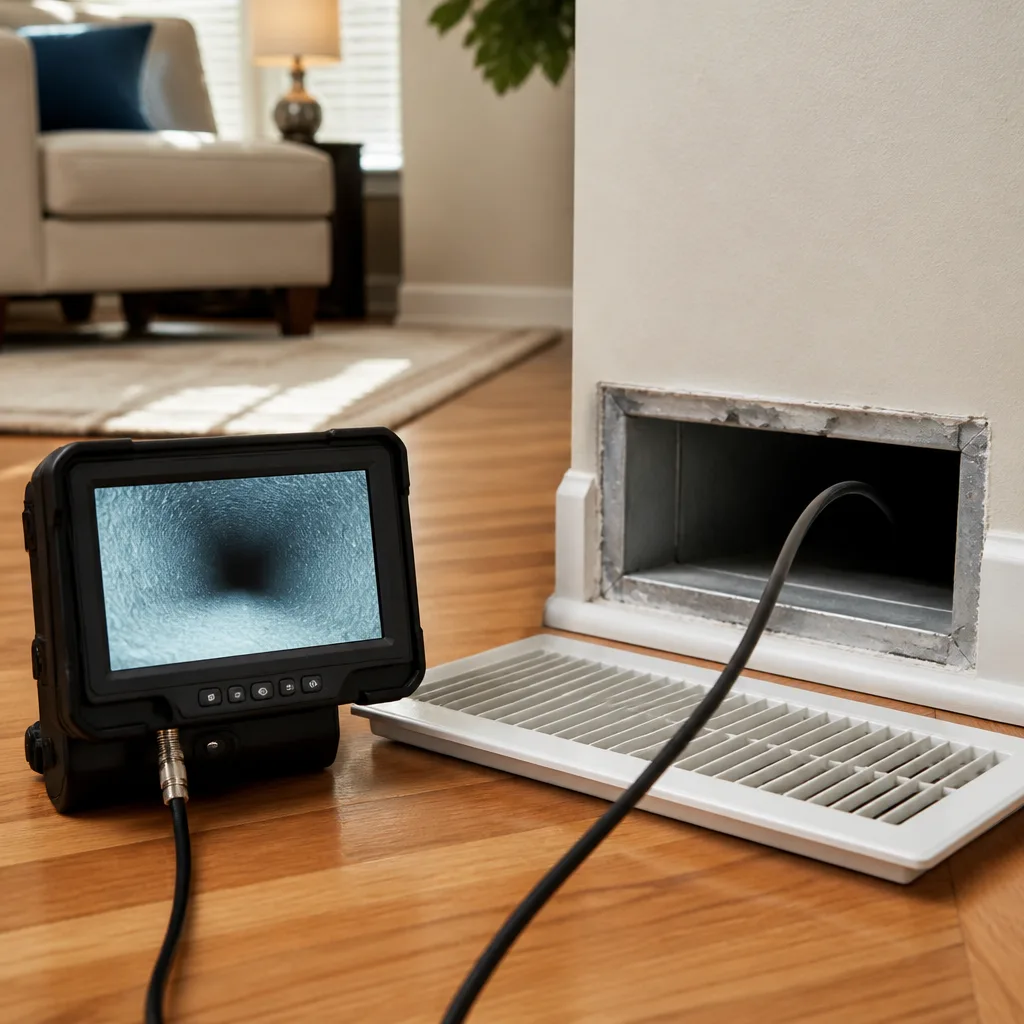 Camera inspection
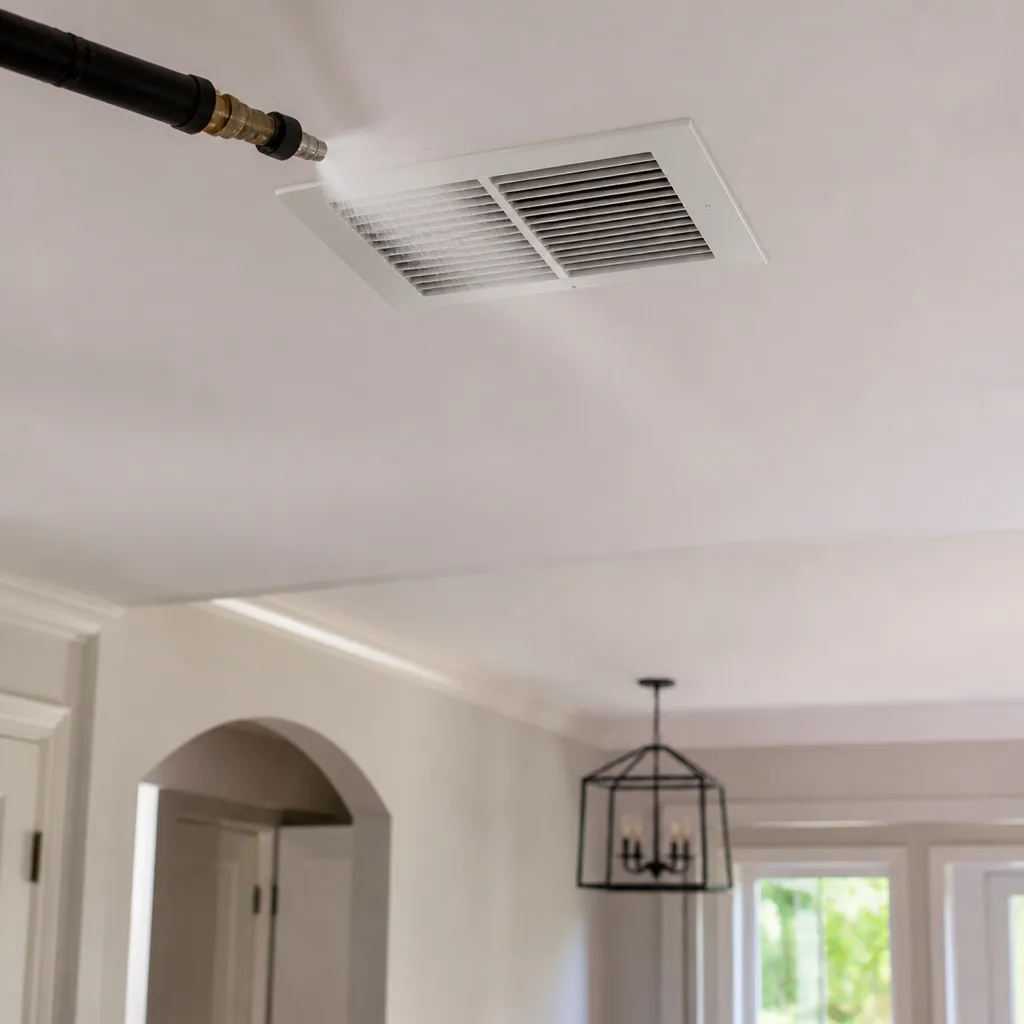 Sanitizing & deodorizing
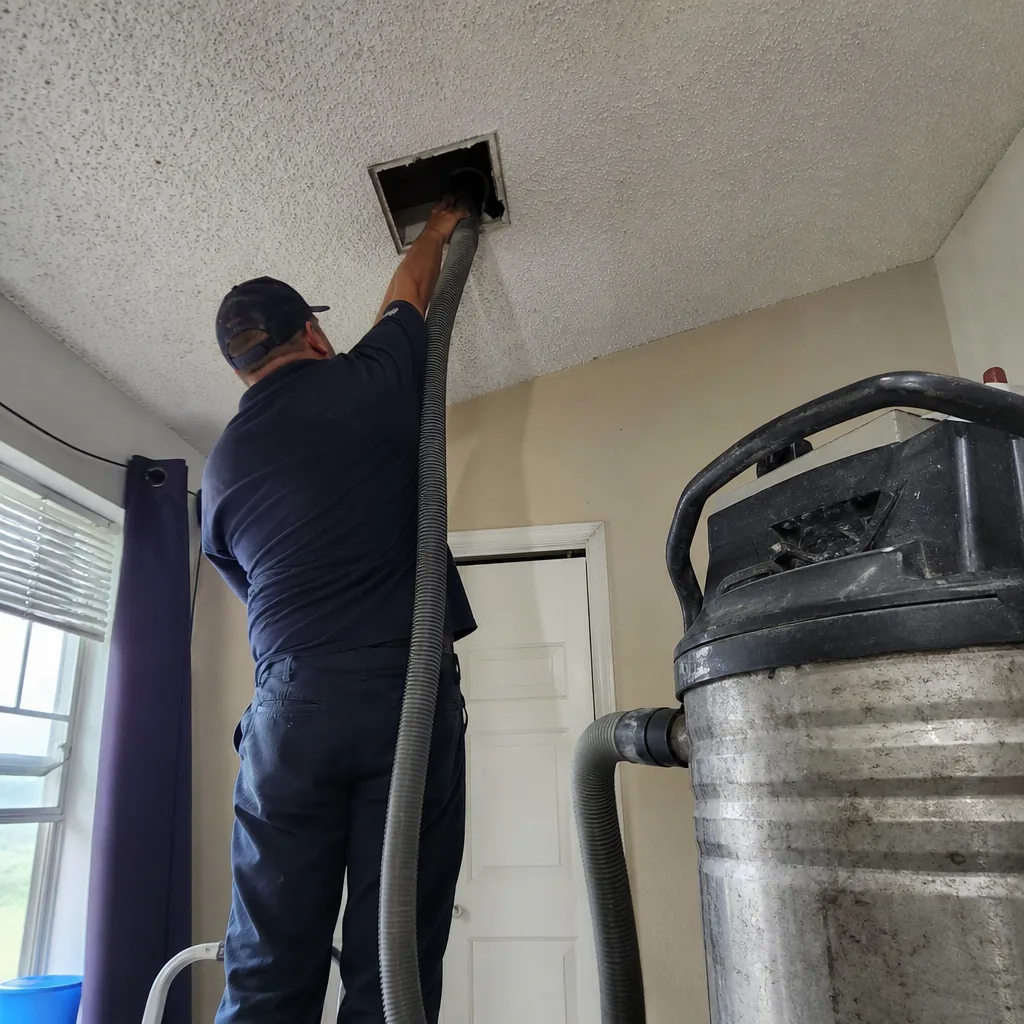
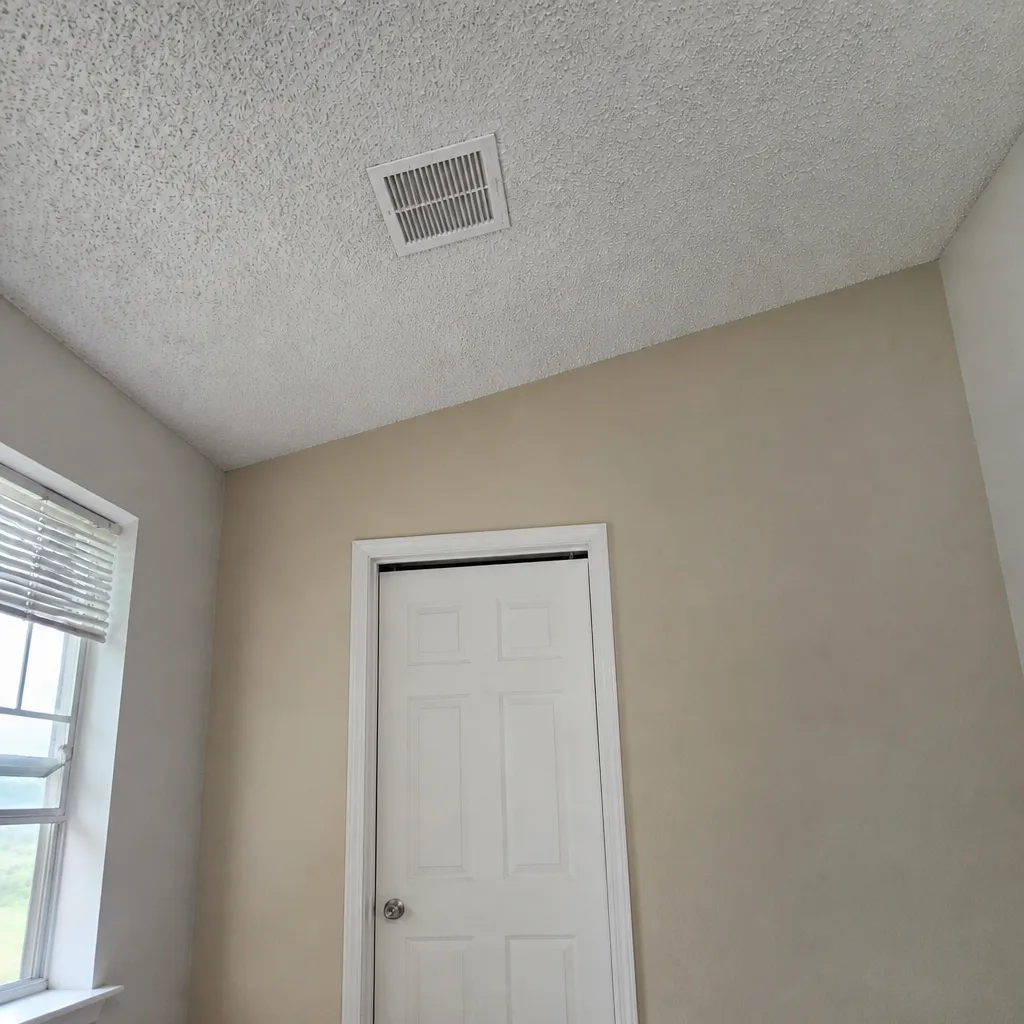
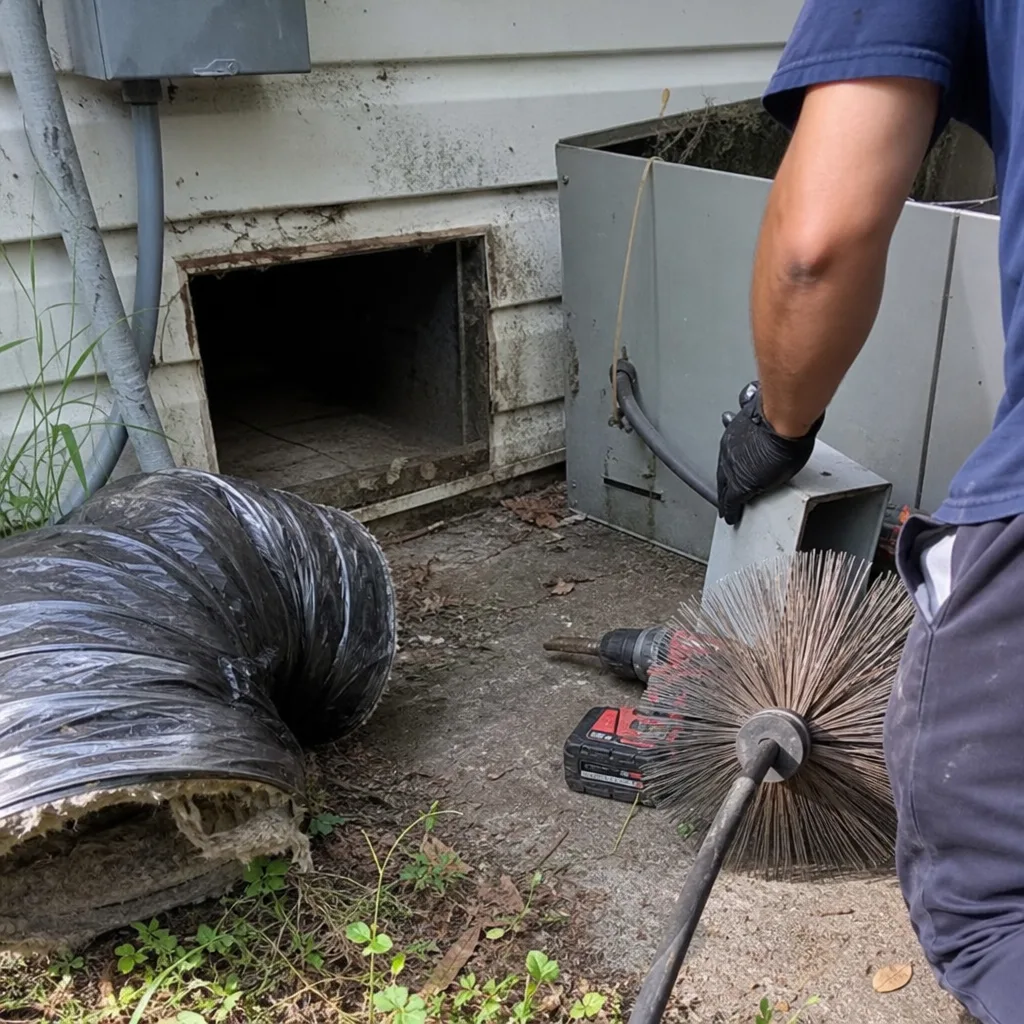
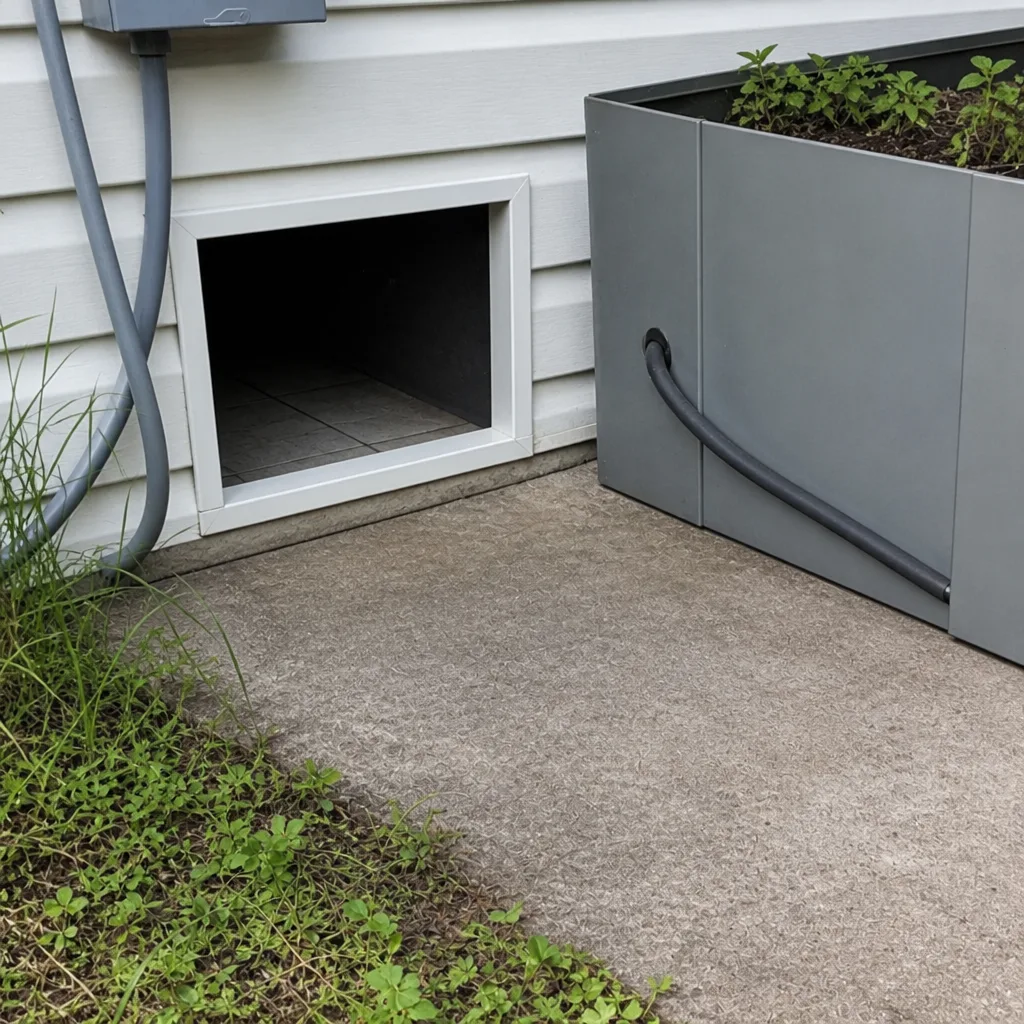
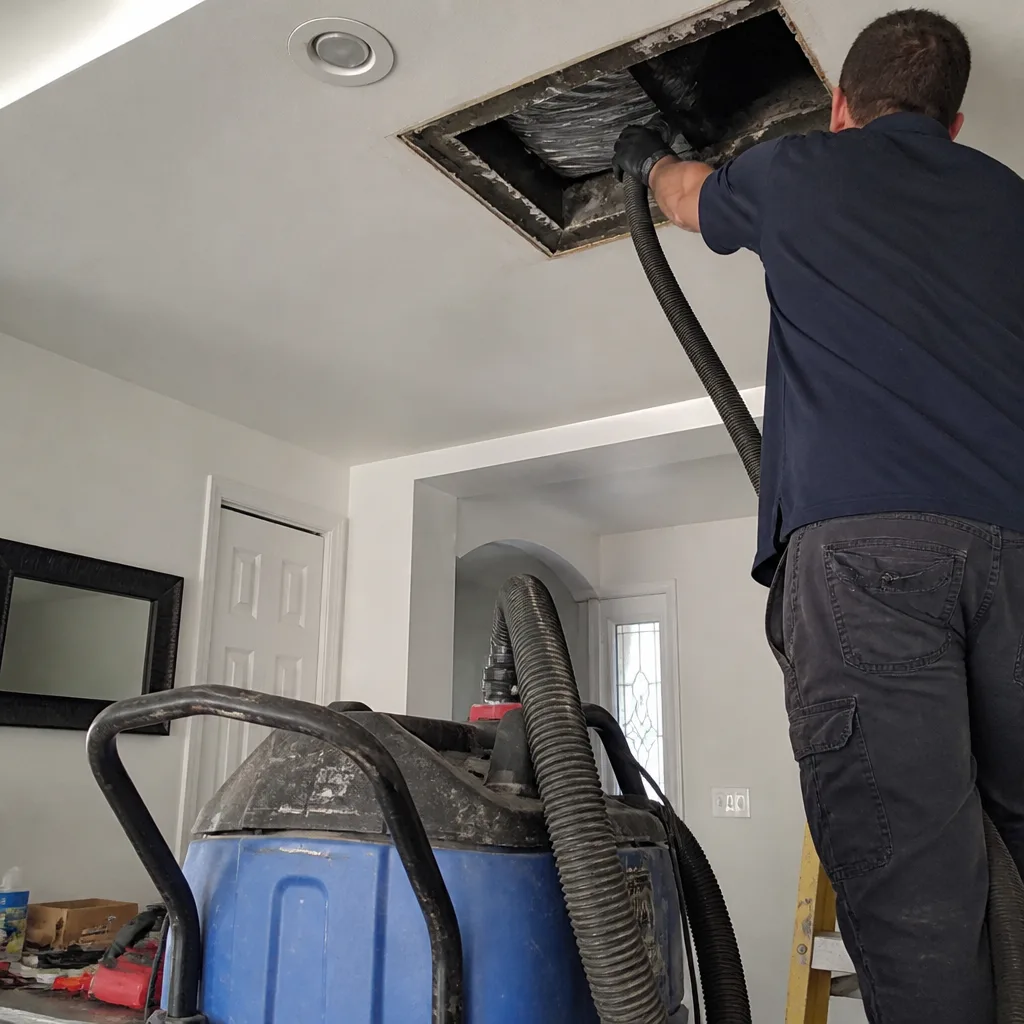
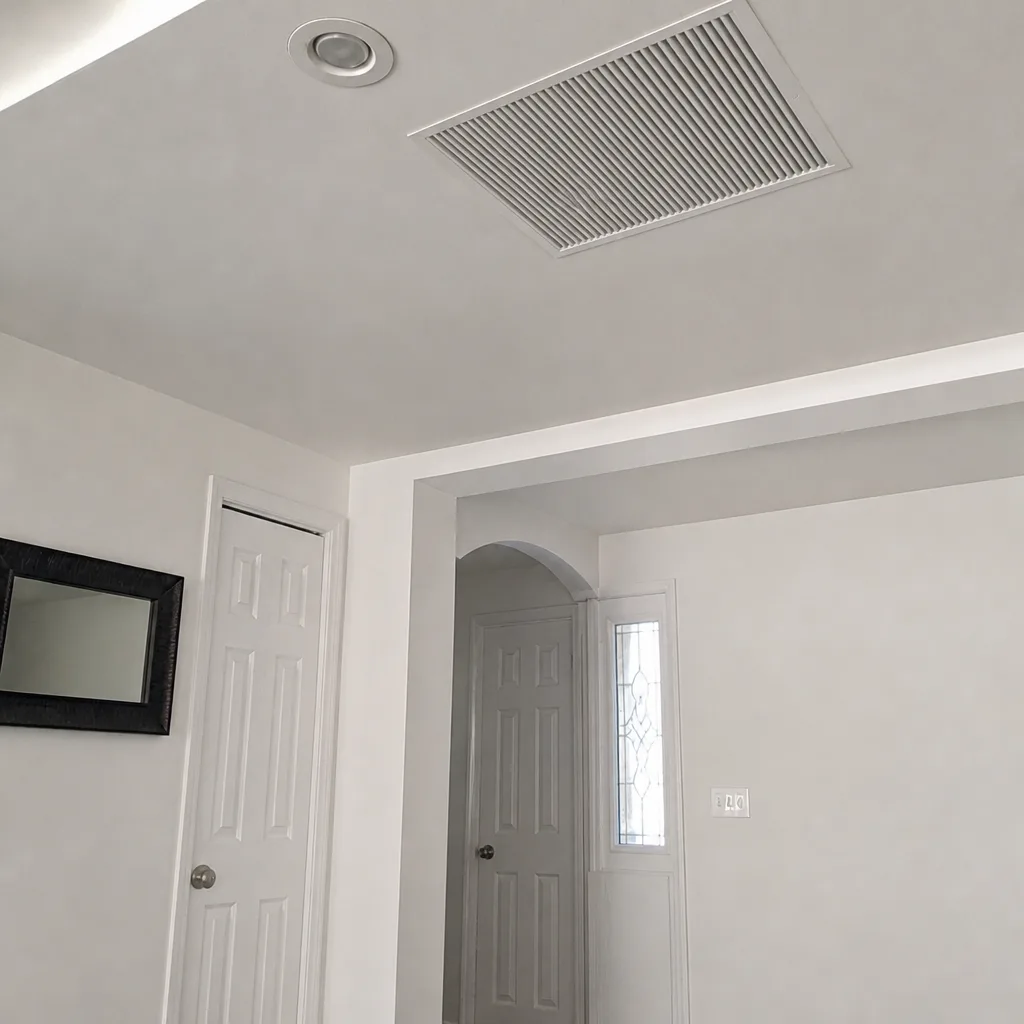
Whole-system duct and dryer vent check with before-and-after photos - you see exactly what came out of your vents
That "$99 whole-house special" is a bait ad - the real number appears once they are in your hallway, or the "clean" is a shop-vac at the register. We photograph the inside of your ducts before and after instead.
Air Duct Cleaning Cost Breakdown: The Spring Hill Homeowner’s Reference for 2026
A $149 duct cleaning quote and a $700 duct cleaning quote are not the same service priced differently. In most cases they involve completely different equipment, different labor time, and different end results, and the gap isn’t negotiable. One is a quick pass with a handheld vacuum. The other is brush agitation through every branch line plus HEPA-rated extraction into a sealed collection system. Spring Hill homeowners get both quotes in the same week and reasonably wonder which one is honest. This guide breaks down what actually drives the price so you can read a quote like someone who knows the trade.
Quick Answer
Air duct cleaning in Spring Hill typically runs $300 to $600 for an average single-story home, with larger two-story homes and heavier contamination jobs reaching $700 to $900 or more. The written estimate sets the final price, and no legitimate quote should change once the technician is inside your home. Anything under $150 for a whole-house job is almost always a teaser that grows on site, and anything over $1,000 deserves a line-by-line explanation of why.
Styles & brands we work with
- Whole-home duct cleaning
- Dryer vent cleaning
- Camera inspection
- Sanitizing & deodorizing
Table of Contents
- What actually drives the price of duct cleaning in Spring Hill?
- Why equipment changes the number on your quote
- How home size and vent count affect cost
- Flex duct, rigid sheet metal, and access difficulty
- Add-on services worth paying for and ones that aren’t
- How to compare two quotes apples to apples
- Red flags in low-cost quotes
- Common mistakes to avoid
- When to call a professional
- Frequently asked questions
What Actually Drives the Price of Duct Cleaning in Spring Hill?
Three things set the price of a real duct cleaning job: how much ductwork exists, how hard it is to reach, and what kind of equipment is required to clean it properly. Everything else in a quote is either labor time or margin. When you understand those three drivers, a $300 quote and a $700 quote stop looking like a negotiation and start looking like two different jobs.
The first driver is system size. Square footage matters, but vent count and branch line length matter more. A 1,400-square-foot ranch with eight supply registers is a smaller job than a 1,400-square-foot home with a finished garage conversion and fourteen registers. The second driver is access. Flex duct in a tight attic is slower to work with than rigid metal in an open mechanical closet. The third is equipment, and it carries the biggest single cost difference between a professional job and a cheap one (more on that below).
Contamination level also matters. Routine dust and pet dander in a Spring Hill home that’s been cleaned before takes less time than a post-renovation job with drywall dust settled into every branch line, or a home with visible mold spores near the air handler. Those jobs need containment. They take longer, and they cost more. If a quote doesn’t change at all between a routine cleaning and a post-construction cleanup, that’s a signal the company is pricing on a flat schedule rather than on the actual work.
Finally, the time of year affects scheduling but shouldn’t affect price. Spring Hill’s long cooling season keeps systems running hard, and homeowners tend to think about duct condition when the AC is working overtime. That’s a scheduling pressure, not a pricing driver. A written estimate should be firm regardless of when you book.
Why Equipment Changes the Number on Your Quote
Professional duct cleaning uses two systems working together: brush agitation inside the duct and HEPA-rated vacuum extraction outside it. The brush loosens what’s stuck to the duct walls, and the vacuum captures it into a sealed collection container. The pairing is what separates a cleaning from a puff of air. At Duct Cleaning Spring Hill, we use a Rotobrush rotary brush system combined with Nikro HEPA-rated vacuum extraction, and that method is the reason our numbers land where they do.
Here’s what those systems cost to own and maintain, and why that cost shows up in your quote:
- Rotary brush agitation. A rotating brush head travels the length of each branch line and physically scours the duct wall. It’s slower than a straight vacuum pass, but it’s the only way to move caked dust, dander, and debris that has bonded to the surface.
- HEPA-rated extraction. A Nikro HEPA vacuum captures fine particulate rather than blowing it back into the room or the living space. The filtration rating and the sealed collection drum are the difference between cleaning and redistributing.
- Negative-air containment. On jobs involving allergens, mold spores, or post-construction debris, we bring Abatement Technologies equipment to hold the workspace under negative pressure. That’s remediation-grade capability, and it’s a real line item in a quote for those jobs.
- Camera inspection. A camera run through the main trunk and branch lines before and after cleaning shows what was there and what came out. It’s a modest equipment cost that most cheap quotes leave out entirely.
A handheld shop vacuum, a leaf blower, and a wand do not do this work. They may remove surface dust from a register boot, but they don’t agitate the duct wall or capture fine particulate. If a quote is dramatically low, ask what equipment the crew brings. The answer explains the price.
How Home Size and Vent Count Affect Cost
Vent count is the most honest single number you can give a duct cleaning company over the phone. Square footage tells us roughly how much branch line exists, but vent count tells us how many openings need to be removed, cleaned, and reset. Each one takes time, and time is the largest variable in a quote.
As a rough framework for Spring Hill homes:
- Small, single-story, 6 to 8 vents: the lower end of the typical range.
- Average single-story, 9 to 12 vents: the middle of the typical range.
- Two-story or multi-zone, 13 or more vents: the higher end of the typical range, and sometimes above it if access is difficult.
- Multiple systems in one home: priced per system, not per vent, because each air handler and trunk line is a separate job.
This is why per-vent pricing is a problem. It sounds transparent, and it is until the technician arrives and finds “extra” vents that weren’t counted on the phone. The number grows on site, and you’re left deciding between paying more than you expected or sending the crew home. A quote that prices the whole system, agreed in writing before the work starts, removes that pressure entirely.
Spring Hill’s housing mix includes a lot of newer construction with compact duct layouts and older homes with longer runs. Two homes of identical square footage can have very different branch line lengths. That’s why a phone quote based on square footage alone should be treated as an estimate until the system is measured.
Flex Duct, Rigid Sheet Metal, and Access Difficulty
Duct material is the factor homeowners ask about least and pay for most often. Flex duct, the corrugated silver tubing common in Florida homes, has ridges that trap dust and require a specific brush head to clean without tearing the liner. Rigid sheet metal duct is smoother and easier to clean, but it’s often sealed in places that make access slow. Both can be cleaned properly. The labor time differs.
Access is the second half of this. A home where every register is reachable from an open attic is a faster job than one where the air handler is in a tight closet and two branch lines disappear behind a finished wall. We don’t cut into drywall to reach a duct unless there’s no other option, and that conversation should happen before the work begins, not in the middle of it.
Post-renovation jobs deserve their own note. Drywall dust and construction debris settle into branch lines and the air handler plenum, and that material is fine enough to stay airborne when a system restarts. If you’ve recently finished a remodel or moved into a newly built Spring Hill home, ask specifically whether containment equipment will be used. In our experience, that’s the one question most homeowners forget.
Also worth knowing: duct material affects repair cost as much as cleaning cost. Flex duct that’s torn, crushed, or disconnected can often be repaired or replaced by a crew that works on duct systems every day. It’s a different scope of work from a general HVAC company that offers cleaning as a side service.
Add-On Services Worth Paying For and Ones That Aren’t
Legitimate add-ons exist. So do additions that pad a quote without changing your indoor air quality. The difference usually comes down to whether the service addresses a specific problem you can see, smell, or identify.
Worth the cost when the conditions justify it:
- Dryer vent cleaning. Dryer vents clog with lint and they’re a leading cause of residential fires. This is separate from your HVAC ducts, and it’s one of our three core services for exactly that reason. If your dryer takes noticeably longer to dry a load, the vent should be inspected.
- Coil cleaning. A dirty evaporator coil cuts efficiency and can make a system work harder in Spring Hill’s summer heat. It’s a genuine cleaning task, not a cosmetic one.
- Sanitizer application. Justified when a camera inspection shows microbial growth or heavy moisture in the system, or when a home has had a water intrusion event near the air handler. It’s a treatment for a documented condition, not a default line item.
Where to ask questions before agreeing:
- Sanitizer added to every quote regardless of the system’s condition.
- Any “fogging” service that isn’t tied to a visible or documented problem, because fogging without cleaning doesn’t address the source.
- Add-ons priced as mandatory. Nothing in a duct cleaning job should be required before the technician has seen the system.
Our three-service lineup is deliberate: air duct cleaning, dryer vent cleaning, and air duct repair. It means the scope of a job stays inside duct systems, and no one is being sold a service outside the specialty.
How to Compare Two Quotes Apples to Apples
Two quotes can look similar in structure and be doing completely different work. The only way to compare them fairly is to force the same questions to both companies and check the answers against each other. Work through this list in order for each quote:
- Scope of work in writing. Which branch lines, which main trunk, which registers, and whether the air handler plenum is included. A quote that says “duct cleaning” without a scope is a placeholder, not an estimate.
- Equipment listed by type. Rotary brush, HEPA extraction, negative-air containment if needed. If a company can’t tell you what equipment will be in your home, they may not own it.
- Deliverables. Ask specifically whether you’ll receive before-and-after photos of your own ducts and whether camera inspection is included in the base price or an extra.
- Whole-system pricing. The number should be one flat price per system, agreed before work starts, with add-ons discussed only if the technician documents a reason for them.
- Repair capability. If the inspection finds a disconnected or torn duct, can the company repair it, or will they hand you a phone number for someone else? Duct-only specialists handle both. Our Spring Hill service area is covered by crews trained specifically in duct systems.
- Confirm the final number. Ask directly: “Is this price final, or does it change when you see the system?” The answer should be clear, and it should be in writing.
Do this for both quotes before you compare the totals. A $400 quote with camera inspection and before-and-after photos is a different product from a $400 quote without them, and the price comparison only means something after the scope matches.
Red Flags in Low-Cost Quotes
The bait-and-switch reputation this industry carries isn’t a rumor. It’s a business model, and it’s usually visible in the quote before anyone shows up. Here are the patterns worth catching early.
- Per-vent pricing that escalates on site. The phone price is for “up to X vents,” and the count grows once the technician is inside. Whole-system pricing removes the risk.
- Mandatory sanitizer. A treatment added to every job regardless of what’s in the ducts is a padding line, not a cleaning step.
- No camera inspection in the base scope. If nobody looks inside the ducts before and after, nobody can prove anything happened. Ask what evidence you’ll receive.
- Coupon pricing that voids if you decline the add-on. If the advertised price only holds when you buy something else, the coupon was never a real price.
- A price quoted before the system is described. A legitimate company wants your vent count and will tell you the estimate is subject to review on site. A company that locks a firm number on the phone without asking anything is quoting a template.
- Equipment described vaguely. “Professional equipment” with no brand or type named is a warning sign. Rotobrush and Nikro are named for a reason; ask which systems will be in your home.
One more to keep in mind: a quote that undercuts the market by half usually means one of two things. Either the equipment isn’t what a professional cleaning requires, or the number you hear first isn’t the number you’ll pay.
Common Mistakes to Avoid
- Comparing totals before comparing scope. Two quotes with different inclusions aren’t comparable, and the cheaper one is often cheaper because something was left out. Match the scope first, then look at the number.
- Booking on a coupon without asking what’s included. Ask for the line items the coupon covers and what the final number will look like. If the answer is vague, the quote is vague.
- Assuming duct cleaning fixes air quality on its own. Filtration and system design matter too. Our technicians are familiar with Honeywell and Aprilaire air quality systems, so recommendations account for the full picture, not just the ducts.
- Cleaning a system with damaged ductwork first. Torn, crushed, or disconnected ducts will keep dumping debris into your living space after a cleaning. Repair should come before or alongside the cleaning.
- Ignoring the dryer vent. It’s a fire safety component and a separate system from your HVAC ducts. It’s easy to forget when you’re focused on air quality.
- Skipping the air handler and plenum. Cleaning branch lines while leaving the plenum dirty means debris continues to circulate. Ask whether the plenum is included.
- Never asking for proof. Before-and-after photos of your own ducts, not stock photos, are the reasonable standard. If a company can’t provide them, ask what they will provide.
When to Call a Professional
Duct cleaning isn’t an annual obligation for every home. It’s a response to specific conditions. Call a professional when you’ve recently finished a renovation and drywall dust is settling through the registers, or when you’ve moved into a home and don’t know the last time the ducts were cleaned. Call when allergies or asthma symptoms worsen indoors, when pet dander is visibly accumulating on registers, or when you notice dust reappearing on surfaces days after cleaning. Call when there’s a musty smell coming from the vents or visible growth near the air handler, and call about a dryer vent that takes longer to dry a load than it used to. Duct Cleaning Spring Hill offers free estimates in Spring Hill. Call (833) 858-5701. We answer 24/7. Fast dispatch from 7am to 7pm, Sunday through Friday.
Frequently Asked Questions
Most Spring Hill homes fall between $300 and $600 for a whole-house cleaning, with larger or heavily contaminated systems reaching $700 to $900 or more. The written estimate sets the final price. Call (833) 858-5701 for an exact quote. Estimates are free.
Cheap quotes are usually a different service, not a discount on the same one. A low number typically means a single-vacuum pass with no brush agitation, no HEPA-rated extraction, no camera inspection, and a price that grows once the technician counts your vents on site. Ask what equipment will be in your home and get the final number in writing before anything starts. Call (833) 858-5701 for an estimate based on the actual system.
Before-and-after photos of your own ducts are the reasonable standard, along with camera inspection showing the interior before and after cleaning. Ask for both in the base scope, not as an extra. If a company can’t show you what came out of your system, you’ve paid for a promise. Call (833) 858-5701 to see what a documented job includes.
Most homes don’t need it on a fixed schedule. A reasonable interval is every few years for a typical home, sooner after renovations, a move-in, a pet addition, or visible dust coming from the registers. If you’re unsure, the honest answer is that a camera inspection will tell you more than a calendar will. Call (833) 858-5701 and we’ll talk through what you’re noticing.
It can. The long cooling season keeps systems running for most of the year, which means more air moves through the ducts and more particulate gets pulled in. High humidity also makes moisture in the system a bigger concern, especially near the air handler. That doesn’t mean annual cleaning is required, but it does make camera inspection worthwhile if you’ve noticed a musty smell. Call (833) 858-5701 for a free estimate.
Often, yes. If the inspection finds a torn or disconnected duct, we can quote a repair alongside the cleaning rather than leaving it for a separate contractor. That’s one reason we keep repairs in scope: patching a cleaning without fixing the duct means the cleaning doesn’t hold. Call (833) 858-5701 to describe what you’re seeing and get an estimate.
The Bottom Line
A duct cleaning quote is only meaningful once you know what’s behind the number. Whole-system pricing, named professional equipment, camera inspection, and before-and-after photos of your own ducts are the four things that separate a real job from a cheap one. Spring Hill homeowners who ask those questions end up either paying less or paying fairly, and never paying for work that didn’t happen. If you’re weighing quotes and want one built on the actual system in your home, we’re glad to help.
Call (833) 858-5701 for a free estimate. We answer 24/7, with fast dispatch from 7am to 7pm. Clean ducts, repaired ducts, clear vents: that’s the whole job, and we’d rather explain the price than surprise you with it. You can also read more about dryer vent cleaning if your vent is on the list.
Written by the team at Duct Cleaning Spring Hill.
See the difference
 Before
 After
 Before
 After
 Before
 After