
Last updated November 15, 2026
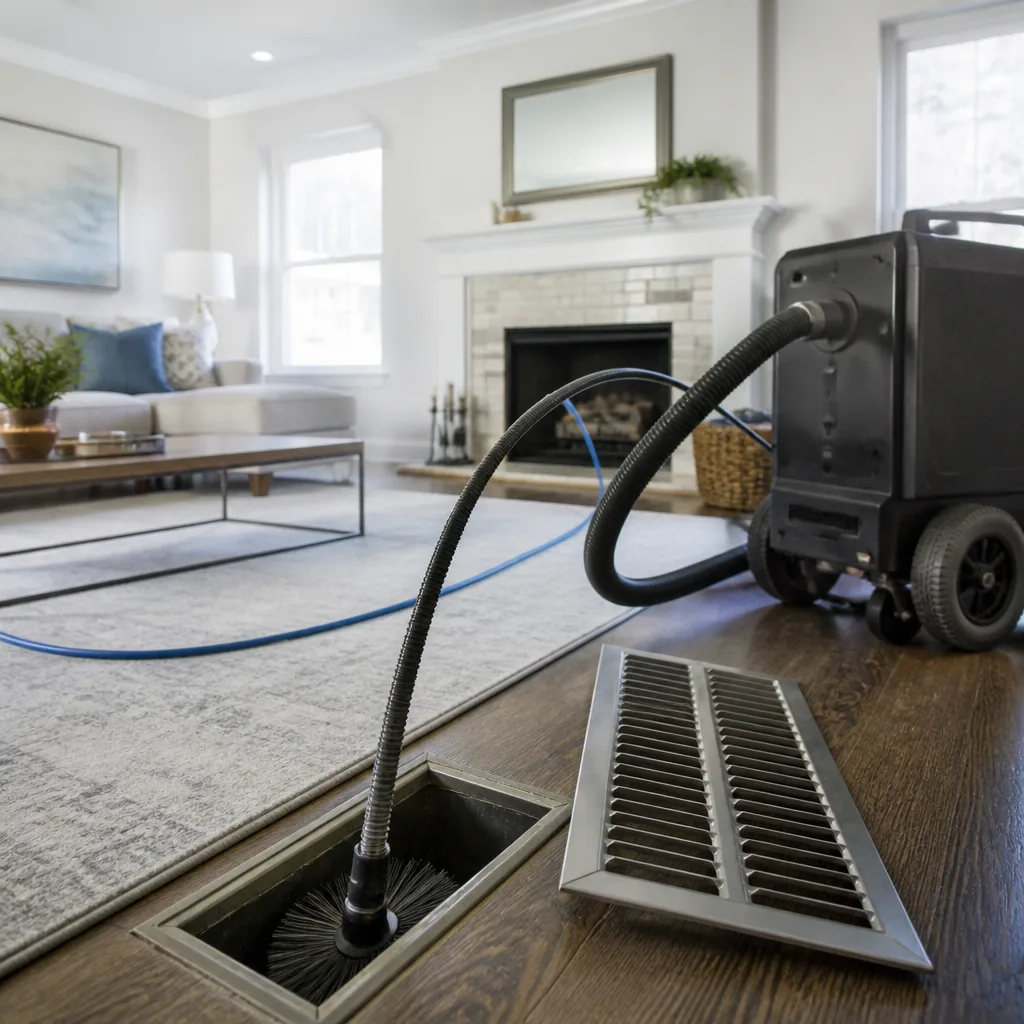 Whole-home duct cleaning
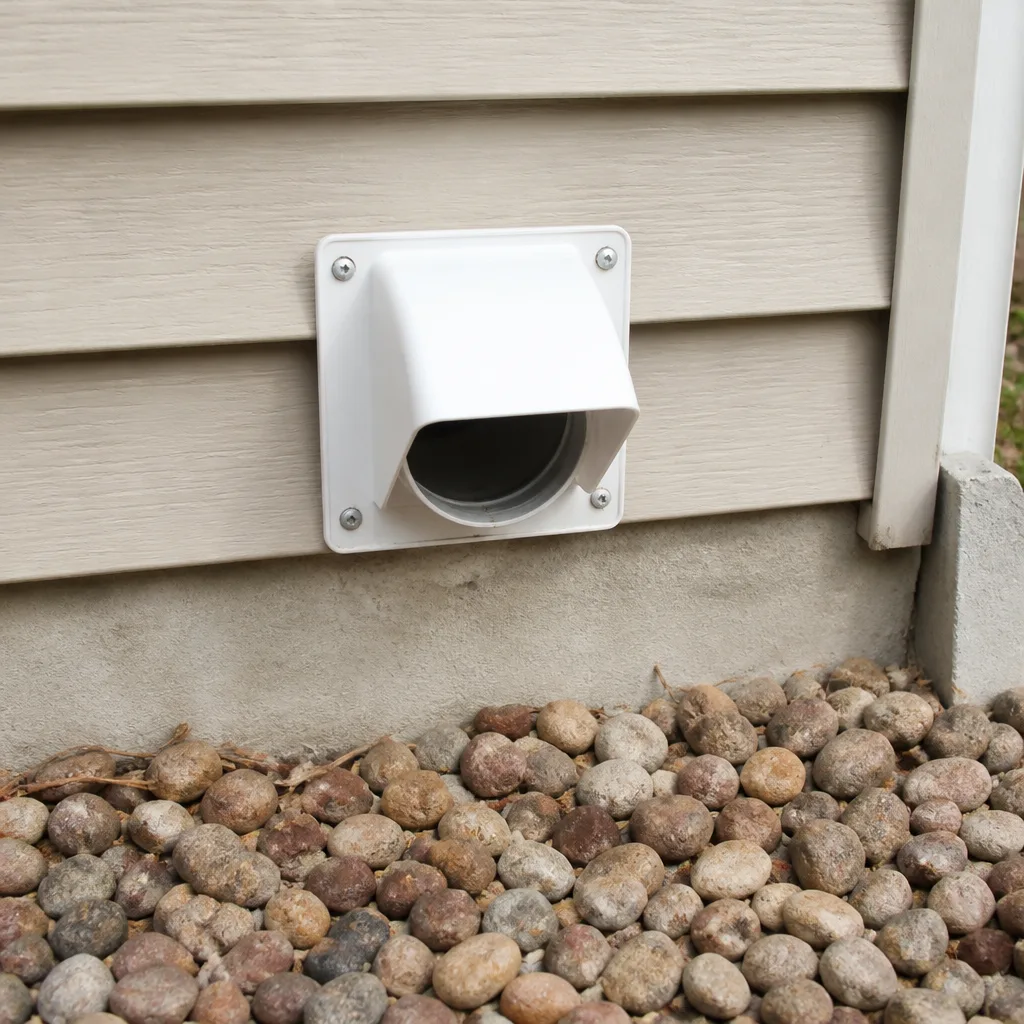 Dryer vent cleaning
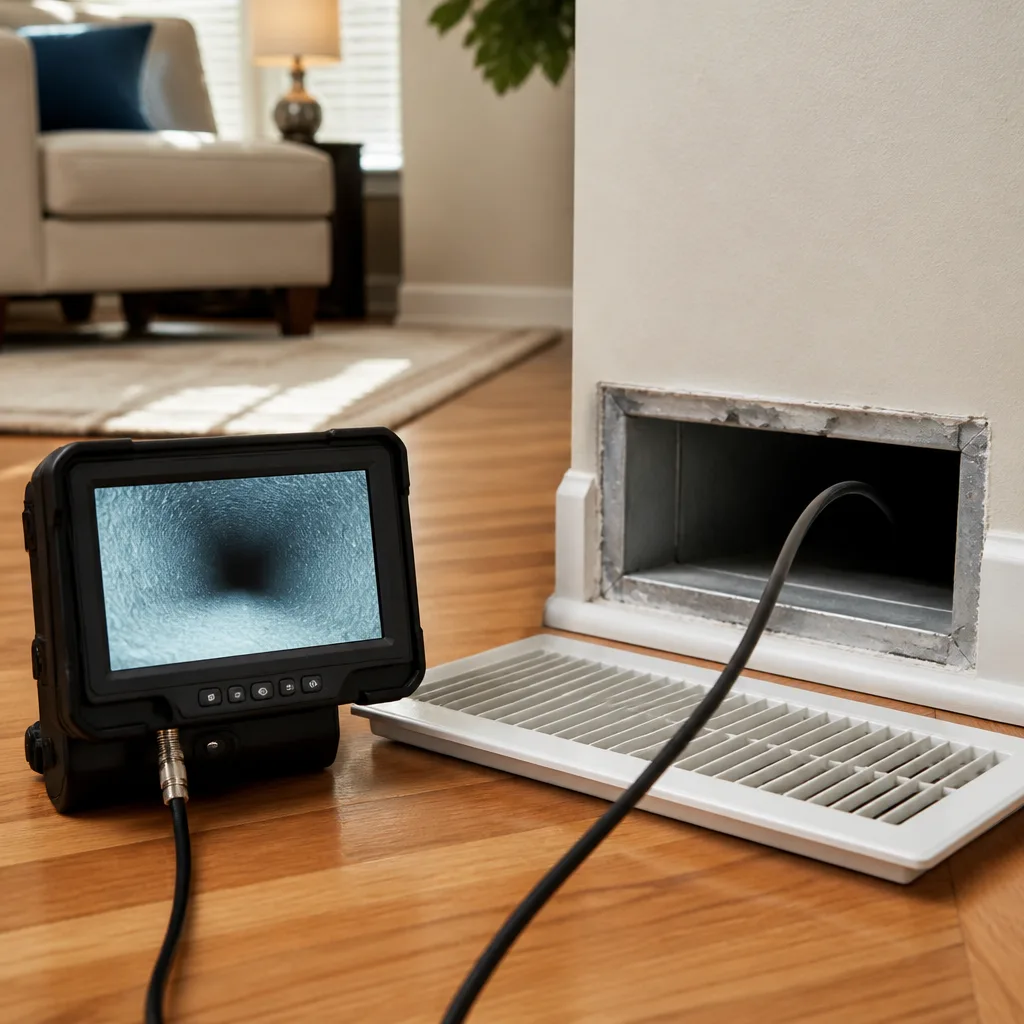 Camera inspection
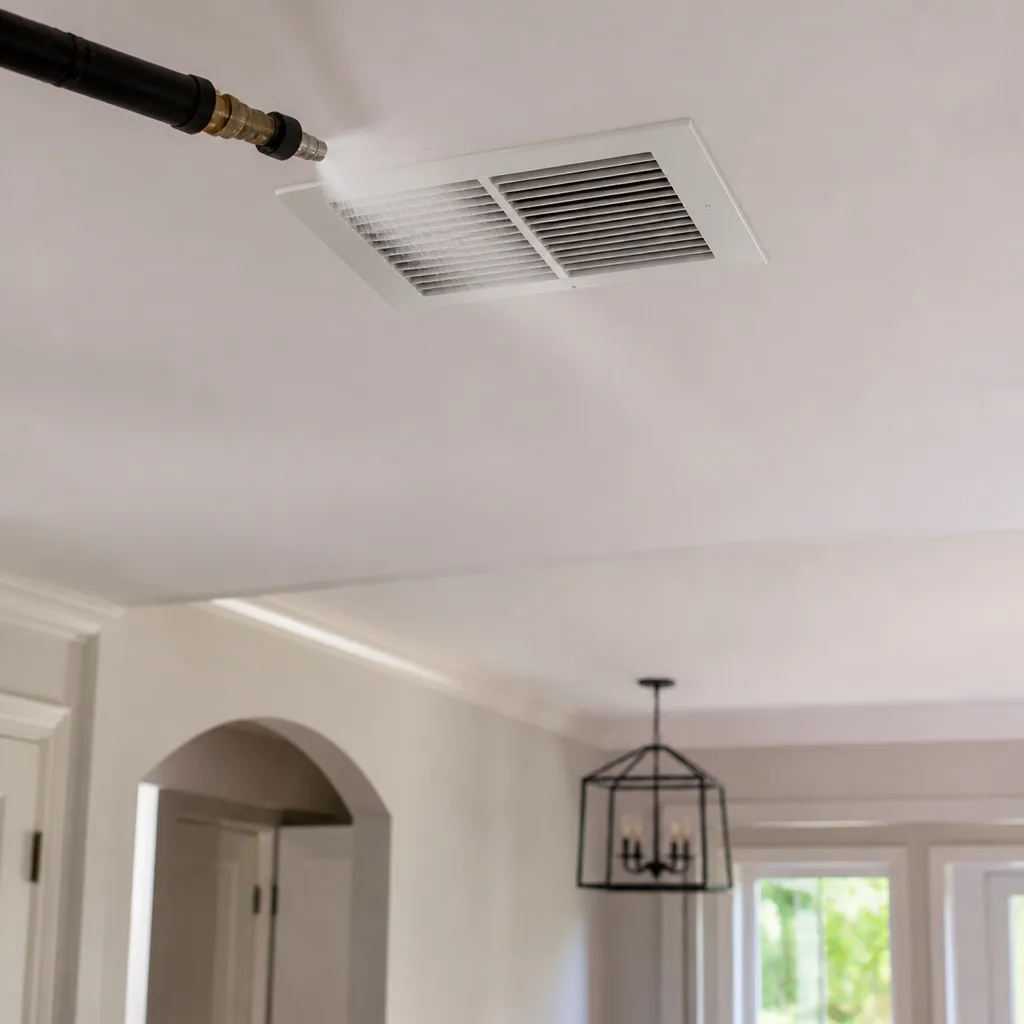 Sanitizing & deodorizing
Whole-system duct and dryer vent check with before-and-after photos - you see exactly what came out of your vents
That "$99 whole-house special" is a bait ad - the real number appears once they are in your hallway, or the "clean" is a shop-vac at the register. We photograph the inside of your ducts before and after instead.
Air Duct Cleaning Warning Signs: A Spring Hill Homeowner’s Reference Guide
Most warning-sign lists point you toward dust on the vent grille or a faint musty smell. By the time either shows up clearly, the accumulation inside the ductwork is usually well established. The earlier signals are quieter and less obvious, and they live in places most homeowners never think to look: the runtime graph on a smart thermostat, the shadowy lines creeping across a bedroom wall, the way a room feels stuffy on a mild afternoon. This guide catalogs those early-stage and system-level signals for Spring Hill homeowners so a manageable accumulation problem gets handled before it turns into a remediation job. We’ll walk through what each sign actually means, how to check it without guessing, and when it’s time to bring in proper equipment.
Quick Answer
The most reliable early warning signs of duct contamination are a measurable rise in HVAC runtime for the same thermostat setpoint, dark filtration lines around registers and baseboards, and a musty odor that appears only while the system is running. Visible dust on grilles, increased allergy symptoms during system operation, and visible debris or pests at a register are later-stage signals. In Spring Hill’s mild, humid climate, moisture-driven contamination is common enough that any odor paired with an efficiency change warrants a professional inspection.
Styles & brands we work with
- Whole-home duct cleaning
- Dryer vent cleaning
- Camera inspection
- Sanitizing & deodorizing
Table of Contents
- Runtime Data: The Signal Most Homeowners Miss
- Dark Filtration Lines and What They Mean
- Reading Odors: Duct-Origin or Something Else
- Allergy and Asthma Patterns as Clinical Signals
- Flashlight-and-Mirror Register Inspection
- Spring Hill Humidity and Moisture-Driven Contamination
- Post-Renovation and New-Move-In Signals
- When Findings Require Camera Inspection
Runtime Data: The Signal Most Homeowners Miss
One of the most reliable early indicators of duct contamination isn’t visible at the register at all. It’s a measurable increase in HVAC runtime for the same thermostat setpoint. When ductwork is restricted by dust, pet dander, and accumulated particulate, the blower has to work harder and longer to move conditioned air through the house. Your thermostat begins asking for more run time to reach and hold a temperature it used to reach easily. That’s a ductwork signal showing up in your energy usage before it shows up on your walls.
If you have a smart thermostat, the data is already there. Homeowners in Spring Hill’s older subdivisions and newer builds alike can pull this in a few taps:
- Open the thermostat app and find the runtime history or energy report section.
- Look at runtime per day in hours, not just the target temperature.
- Compare the same weeks across two years, or compare a mild week this month to a mild week last season.
- Note the outdoor temperature on the comparison days. Mild Florida weather in the 70s to low 80s should produce modest runtime.
- Flag any sustained increase of a couple of hours a day for the same setpoint and similar outdoor conditions.
A runtime climb isn’t proof of duct contamination on its own. A failing capacitor, a dirty air filter, a refrigerant issue, or a dying blower can all do the same thing. But when the runtime climbs and the system still cools reasonably well, restricted airflow from dirty ducts or a partially disconnected run should be on your short list. Two of the most common culprits we find during an air duct cleaning visit are a crushed flex run in an attic chase and a return plenum drawing air through a gap instead of through the filter. Both make the system run longer.
Compare the runtime data against a baseline rather than a rule of thumb. No insulation level, home size, or window spec gives you a universal “should run X hours” number. Your own history is the baseline that matters. If the numbers had drifted and you want a second opinion on the airflow side before you start replacing parts, call (833) 858-5701. We answer 24/7. Fast dispatch from 7am to 7pm, Sunday through Friday.
Dark Filtration Lines and What They Mean
Those faint gray or black shadows along the edge of a wall-to-wall carpet where it meets the baseboard, or the dark outline around a ceiling supply register, are filtration lines, sometimes called ghosting. They are not dirt falling from the ceiling and they aren’t a cleaning failure. They’re the visible record of particulate in the air stream.
Here’s the mechanism. Air moving past a surface creates a slight pressure differential at the tightest gap. Particulate in that air gets deposited right at the boundary between two surfaces, and over months it builds a dark line. The same effect happens where a carpet edge lifts slightly, where a light fixture meets the ceiling, or where a door frame meets drywall. When the lines cluster specifically around supply and return registers, the source is often the air being delivered through those registers.
What the pattern tells you:
- Lines only at supply registers: likely particulate coming out of the supply side, which points at dust accumulated in the supply trunks or the plenum.
- Lines at return grilles and baseboards in the same room: suggest a return path drawing through gaps rather than through the grille, or the return duct running dirty.
- Lines throughout a room with no register nearby: may point at infiltration through the building envelope rather than the ductwork. That’s a different problem.
- Lines concentrated in a single room: often a partially disconnected duct or a boot that isn’t sealed to the register opening, so conditioned air blows into the wall cavity.
Filtration lines don’t prove contamination, but they’re a strong reason to book a professional inspection. If the pattern clusters around your registers, or if you’re finding lines in multiple rooms in a house that’s been closed up through Spring Hill’s humid months, the system is worth a look with proper brush-agitation and HEPA extraction equipment. That’s the same combination of Rotobrush rotary brushing and Nikro HEPA-rated vacuum capture our technicians use to get thorough removal, not just a surface pass.
Reading Odors: Duct-Origin or Something Else
Whether a musty smell is a duct problem or a wider moisture problem often comes down to timing. Turn the system on and see if the smell appears with the airflow. If the odor emerges specifically when the blower starts and fades when it stops, you’re almost certainly smelling the inside of the ductwork, the evaporator coil, or the drain pan. If the smell is there before the system runs and stays after it shuts off, it’s probably structural moisture in a wall, a ceiling, or a crawl space, and duct cleaning alone won’t solve it.
Test it with this sequence:
- Turn the system off entirely and let the blower stop for five minutes.
- Walk the house and note where any odor is present without the system running.
- Turn the system back on and walk the house again.
- Note where the odor is stronger with the system running than without.
- If rooms that were clean without the system smell musty with the system running, you have duct-origin odor. If the smell is present both times in the same rooms, look for moisture elsewhere first.
Spring Hill’s long warm season means the air conditioning runs for most of the year, and a wet coil or a slow drain line can hold biological growth on the evaporator and the plenum surfaces just downstream. That’s why we run Abatement Technologies equipment on jobs where growth, allergens, or a long-running moisture problem are in play. Purpose-built negative-air and HEPA capture is what makes the difference on those jobs versus a routine dust-only cleaning. If you want the full-service picture, our duct cleaning Spring Hill page walks through the entire process.
Allergy and Asthma Patterns as Clinical Signals
An increase in allergy or asthma symptoms in occupants, especially during system operation, is a genuine warning sign and not just anecdote. If you or a family member notices that symptoms flare a few minutes after the air conditioning kicks on, and ease when the system cycles off, the trigger may well be inside the ducts. That pattern shows up in families with young children, in homes with pets, and in households where a recent remodel pushed construction debris into the return side.
The signal to look for is not “somebody sneezed twice.” It’s a sustained pattern:
- Symptoms that cluster in the hour after the system starts.
- Symptom peaks in bedrooms at night when the system runs longer.
- New or worsening congestion in a family member during the mild months when the windows are closed and the system is running constantly.
- Respiratory symptoms in a home where a pet spends most of its time, especially if the pet’s dander has had a full season to recirculate.
- A pattern that follows the house. If symptoms ease when you travel and return home, that’s worth noting.
We’re not clinicians and we don’t run medical advice. What we can tell you is that a pattern like this is one of the strongest reasons we see homeowners in Spring Hill call us for an inspection. When the pattern is confirmed and the ducts are the source, proper extraction with HEPA-rated equipment matters more than on a routine job, because recirculating the fine fraction defeats the purpose.
Flashlight-and-Mirror Register Inspection
A flashlight and a small hand mirror will get you a long way toward a real answer. Pop the return grill a couple of turns and look inside with a strong light. Angle a small mirror into the run to see around corners. You’re looking for debris buildup, visible growth, pest activity, and gaps at the joints.
What the mirror usually shows, and what it means:
- Uniform light gray dust film: normal accumulation for the age of the system. Not urgent unless the runtime data or odor signal is also present.
- Thick, fibrous, or felted buildup on the inside of the run: a real restriction on airflow. Worth professional attention.
- Dark streaks or patches suggestive of moisture growth: requires professional inspection. Don’t keep running the system as if nothing’s wrong.
- Visible pest evidence: droppings, nesting material, or shed insect casings. A health concern and a call-out for professional handling.
- Construction debris: drywall dust, sawdust, insulation scraps, or the occasional screw. Common in homes that were renovated or built in the last few years.
- Crushed, disconnected, or fallen flex duct: a repair issue, not a cleaning issue. More on that in a moment.
Where the mirror falls short is the long horizontal runs, the transition at the air handler, and the vertical drops in two-story homes. Those are exactly the areas where contamination hides and where duct repairs get missed. If your flashlight inspection turns up anything beyond light dust, or if the mirror shows something you can’t confidently identify, camera inspection is the next step. It’s the only honest way to know what’s inside a run you can’t see the full length of. If you’re unsure, our team at Spring Hill can answer a question about what you’re seeing over the phone before you book an inspection.
Spring Hill Humidity and Moisture-Driven Contamination
Spring Hill’s warm, humid climate puts duct systems under a specific kind of stress. The air conditioning runs for much of the year, which means the evaporator coil stays wet through most of the cooling season and the duct surfaces just downstream of the coil stay cool and damp. That’s the environment biological growth prefers. Dust that would stay dry and inert in a drier climate can become a growth substrate when the humidity never fully drops.
A few signs that point specifically at moisture-driven contamination:
- A musty, earthy smell that’s strongest right after the system starts and eases after several minutes.
- Visible darkening on the plenum duct-face right at the air handler.
- Higher indoor humidity than your thermostat reports you’re asking for.
- Water stains, drip marks, or mineral crust on the coil cabinet or the immediate duct transition.
When we see these signals, the job is different from a routine dust extraction. Our technicians use abatement-grade capture equipment alongside the brush-and-vacuum systems because containing the fine particulate and the biological load matters more than raw suction volume. That’s the point of carrying both Rotobrush and Nikro systems on a single visit, and why we keep Abatement Technologies gear available for the jobs that need true HEPA-level containment.
One thing we won’t do is tell you duct cleaning solves a moisture problem in the structure. It doesn’t. If the odor persists with the system off, the source is elsewhere. If it tracks the airflow, we can help.
Post-Renovation and New-Move-In Signals
Two situations make a duct inspection worth prioritizing even without other warning signs. The first is a recent renovation. Drywall dust, sawdust, and insulation fibers are fine enough to slip past most filters and settle inside runs. If your home has had any significant drywall or flooring work in the last twelve months, the register side of the ductwork almost always needs checking.
The second is moving into a house you don’t have history on. When you take possession of a Spring Hill home, you inherit the previous owner’s filtration habits, pet situation, and renovation history without knowing any of it. A flashlight-and-mirror inspection at the return is a reasonable first-day check, and a professional camera inspection is a reasonable first-year step.
What to prioritize after a move-in or a renovation:
- Replace the air filter before anything else, and note the MERV rating on the old one.
- Check every supply and return register for debris, taping that’s come loose, or a grille that’s been left off during work.
- Look at the air handler cabinet for construction dust settling on top of it and inside the return plenum.
- Compare runtime data from before and after the renovation in the thermostat app.
- Book a professional inspection if any of the above looks off, or if the home has pets and no service record.
Homeowners with a Honeywell or Aprilaire system in the house have the advantage of a filtration ecosystem already in place. We come from an IAQ-aware starting point on those jobs because the duct cleaning recommendation has to fit the filtration you already rely on, not work against it. If you’re moving into a house with an Aprilaire media cabinet or Honeywell electronic air cleaner, tell us at booking so we’re working with the system as designed.
When Findings Require Camera Inspection
Camera inspection is the point where the flashlight and mirror stop being enough. The camera runs the length of a duct and shows the actual condition of the interior surface, joints, and connections. It’s not a marketing upsell; it’s the honest way to know what’s inside a run when the register-side view is inconclusive.
Escalate to camera inspection when any of these are present:
- The flashlight inspection shows heavy, fibrous, or patchy buildup the mirror can’t characterize.
- Any evidence of moisture growth, past or present, on duct surfaces.
- Pest evidence at a register, or a musty odor that tracks the airflow.
- A recent duct repair or installation where the workmanship is unverified.
- Persistent runtime data changes with no mechanical explanation from your HVAC tech.
- Allergy or asthma symptoms clustering around system operation in a home without a service history.
If the inspection shows a damaged run, a boot that’s crushed, a flex section that’s been disconnected from a register opening, or a plenum leak at the air handler, the answer is a repair rather than a cleaning pass. That’s why Air Duct Repair sits alongside dryer vent cleaning and duct cleaning as a core service here. Cleaning a system that has a disconnected run just means the cleaning air goes somewhere other than where it’s supposed to. Fix the geometry, then clean.
The related safety point: a clogged dryer vent is its own warning-sign conversation, and it’s a common fire risk in Florida homes where the dryer runs year-round. If the lint screen fills faster than it used to, or clothes take longer to dry, that’s a separate inspection worth booking alongside your duct work. Our technicians have up to 9 years of experience between the two services, and Guardsman dryer vent systems are part of what we keep in rotation.
Common Mistakes to Avoid
- Treating dust on the grille as the only sign. Grille dust is a late signal. Runtime data, filtration lines, and odor patterns show up long before dust becomes obvious, and by the time you can see the accumulation the job is usually bigger.
- Assuming a filter change fixes a runtime problem. A dirty filter is worth changing first, but if the runtime stays elevated on a fresh filter, the restriction is elsewhere. Chasing the filter harder doesn’t solve an airflow problem in the ductwork.
- Booking a duct cleaning before you’ve looked at the odor’s source. A musty smell that lives in the wall cavity will still be there after a cleaning. Test whether the odor tracks the airflow before you book.
- Ignoring a pattern in family symptoms. Congestion that arrives with the system and eases when it stops is worth investigating, especially in households with young children or pets.
- Using a shop vac or a single-wand “blowout” service in Spring Hill’s humidity. A blowout without proper capture stirs the fine particulate into the living space and can spread biological growth rather than remove it. That’s the opposite of what brush-agitation plus HEPA capture does.
- Treating a duct repair and a duct cleaning as the same invoice. A crushed or disconnected run needs to be fixed first. Cleaning a system with an open plenum leak just means the vacuum is pulling attic air.
- Assuming a home inspection covered the ducts. A standard pre-purchase inspection typically checks the system runs and the registers blow air. It rarely checks what’s inside the runs or whether every run is actually connected.
See the difference
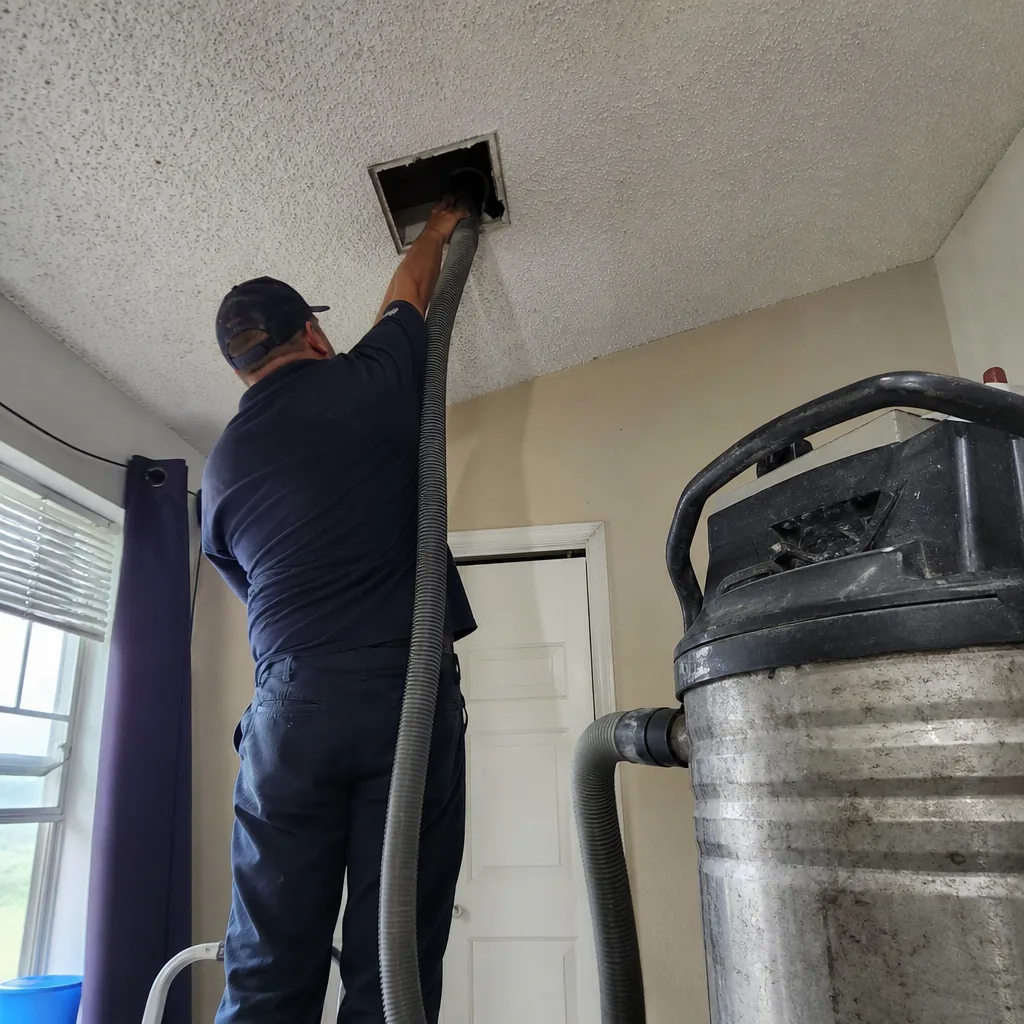 Before
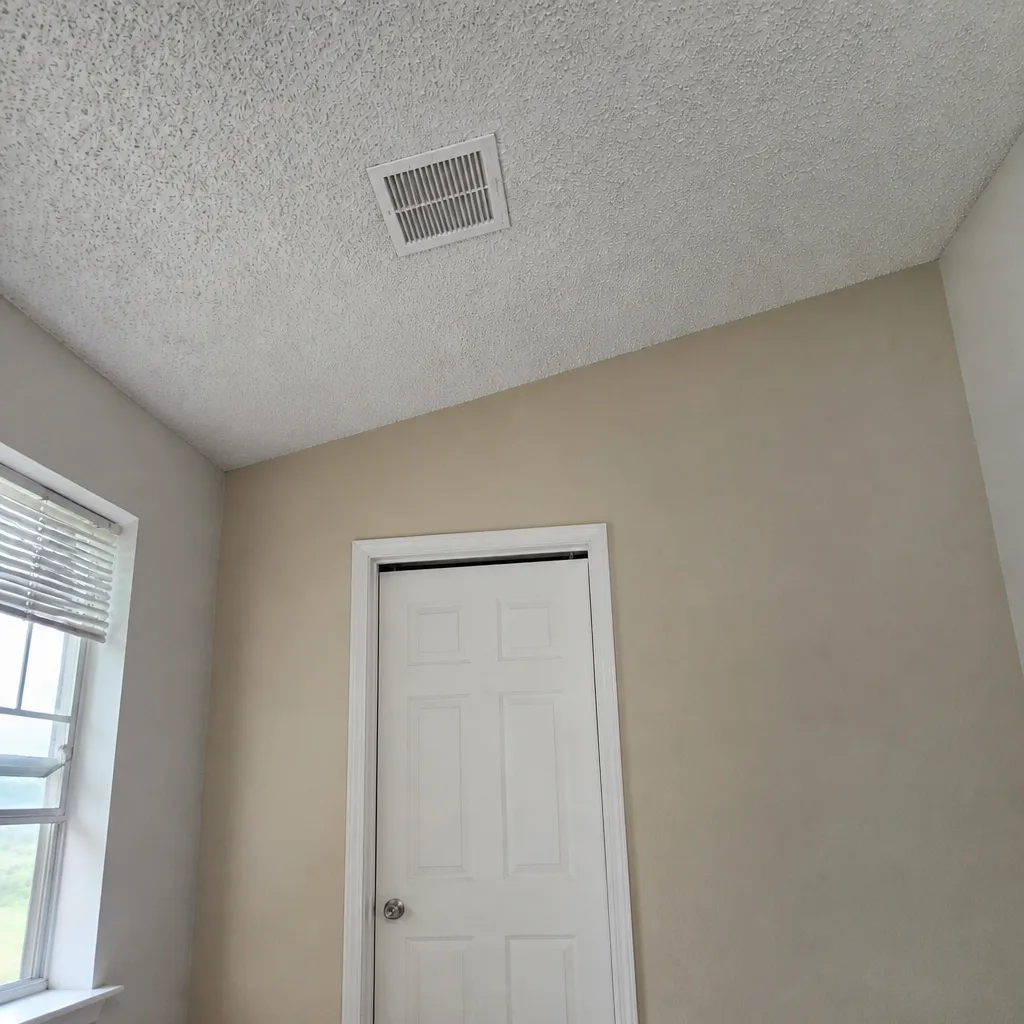 After
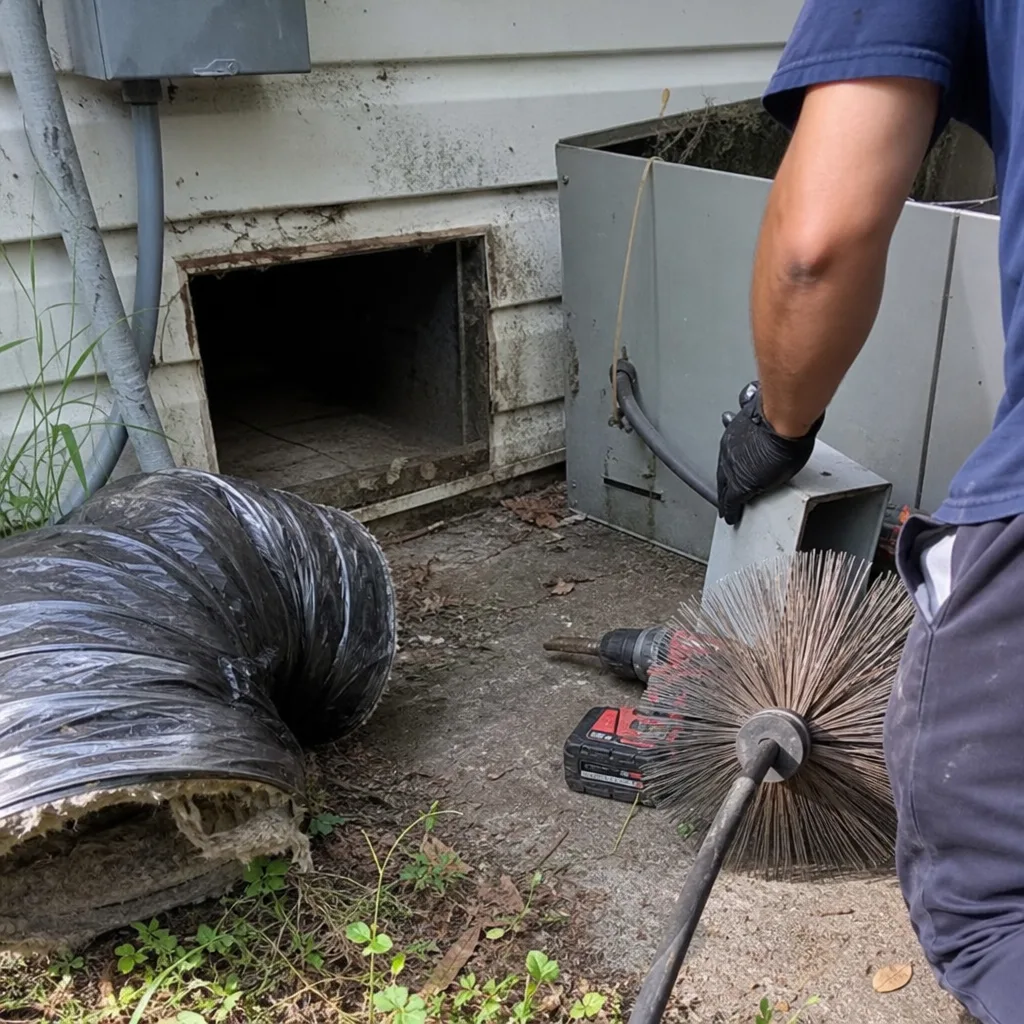 Before
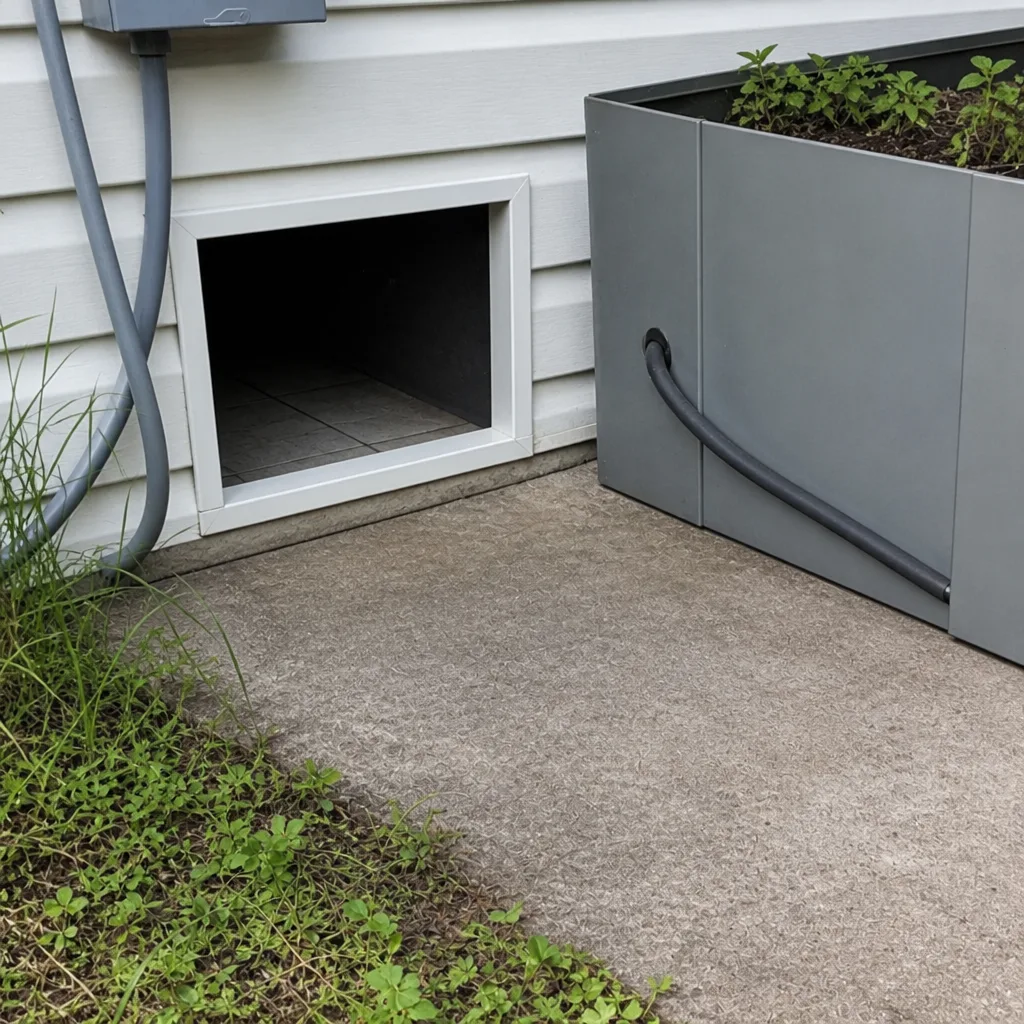 After
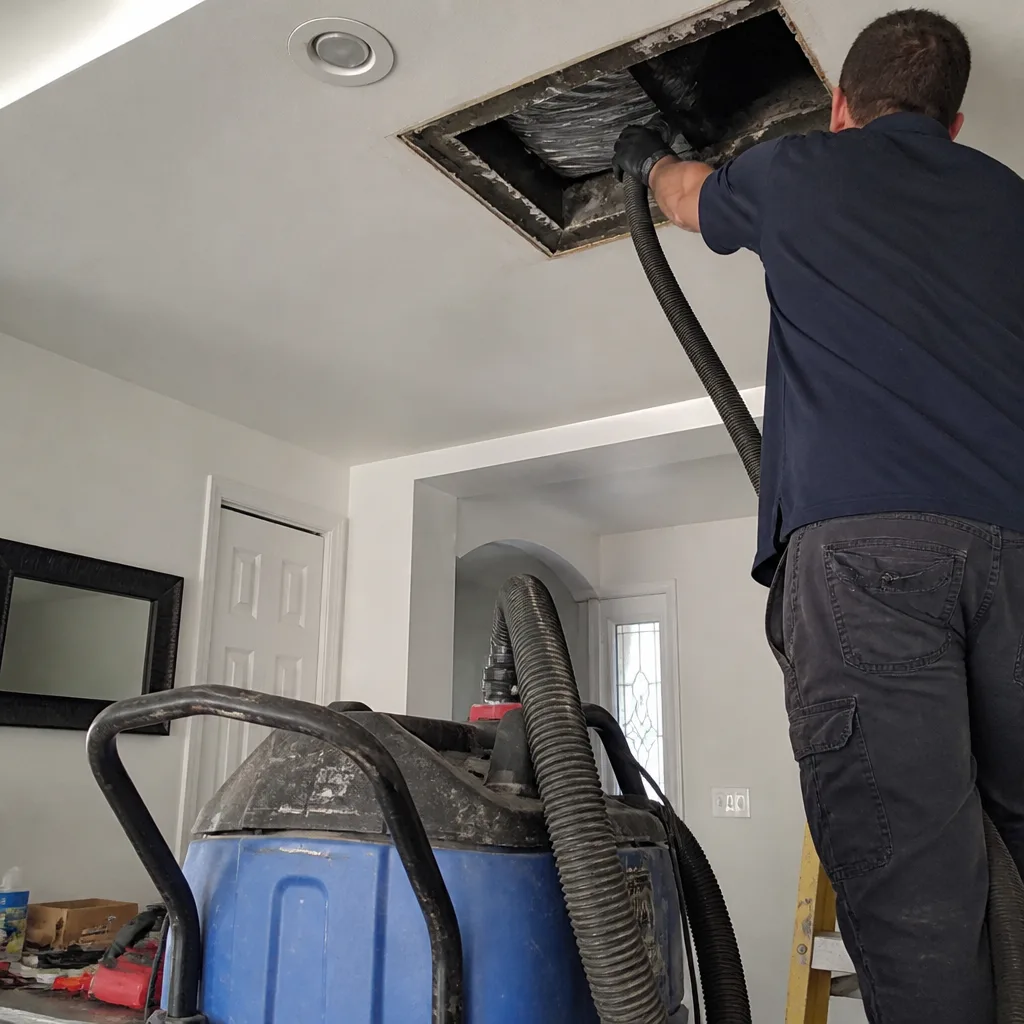 Before
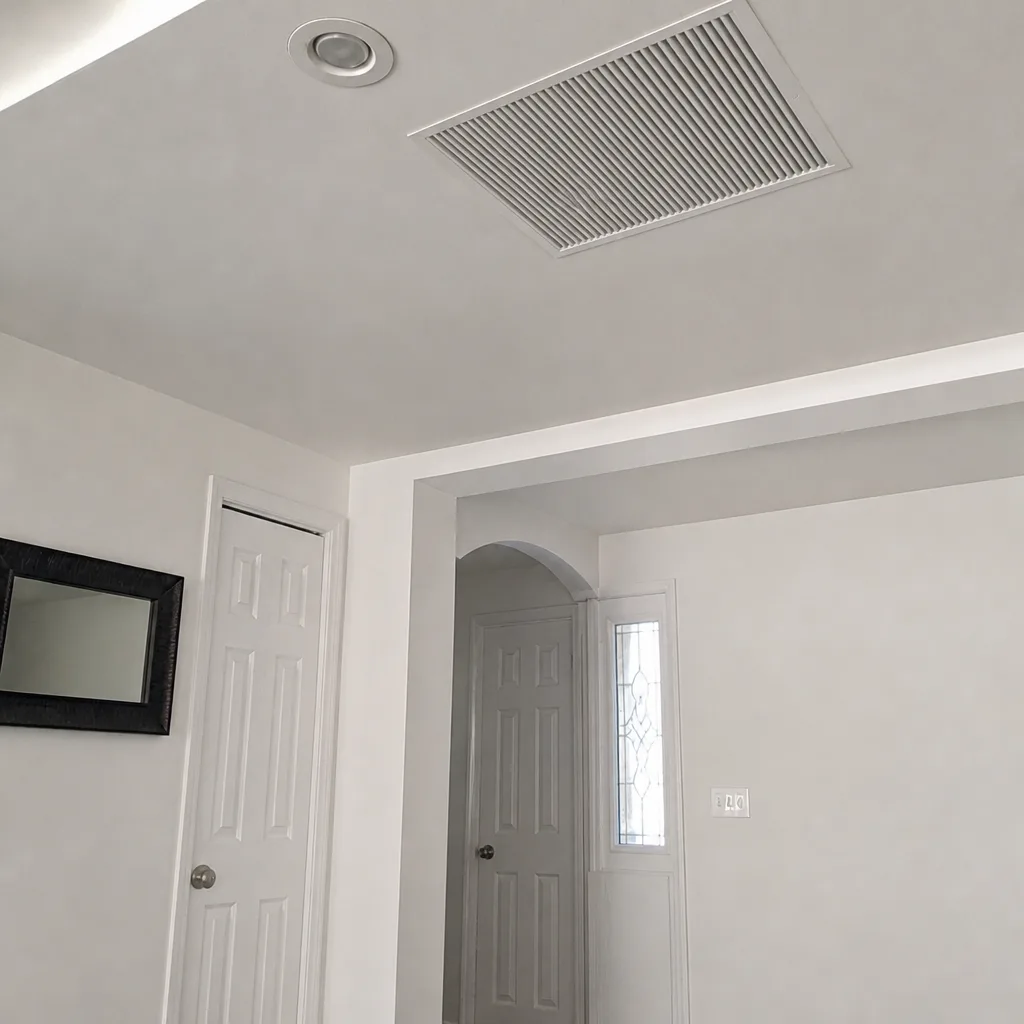 After
When to Call a Professional
Call us when the signs stack up rather than when a single sign has become unignorable. Runtime climbing across two comparable weeks, filtration lines clustering at the registers, an odor that tracks the airflow, symptoms that flare when the system runs, or a renovation that pushed dust into the return side are all reasons to book an inspection. If the flashlight and mirror turn up anything beyond light dust, get a camera inspection. Duct Cleaning Spring Hill offers free estimates in Spring Hill. Call (833) 858-5701. We answer 24/7. Fast dispatch from 7am to 7pm, Sunday through Friday. The written estimate sets the price for the job, and we confirm the scope before any work starts.
Frequently Asked Questions
Typical pricing runs a wide range depending on access, number of runs, level of contamination, and whether a repair is needed, so the honest answer is that a written estimate on your actual system is the only reliable number. Any per-vent or teaser figure you see advertised is not a price for your house. Call (833) 858-5701 for an exact quote. Estimates are free.
Cheap quotes usually reflect a single-wand vacuum pass without brush agitation or HEPA capture, and the price often climbs once the technician is on site. A real whole-system clean uses equipment built for the job. We quote one flat price per system, agreed before work starts, and we show before-and-after photos of your own ducts. That’s the practical difference between a proper cleaning and a bait-and-switch. Call (833) 858-5701 for a written estimate.
Ask for before-and-after photos of your own ducts, taken inside the runs, not just a photo of the register grille. A proper clean also involves visible changes at the air handler and a measurable shift in airflow at the registers, and you’ll notice the runtime data shift within a week if the airflow was the restriction. Call (833) 858-5701 if you’d like to talk through what documentation we provide on a Spring Hill job.
Most homes don’t need it on a fixed calendar. Homes with pets, recent renovations, allergy sufferers, or a long hot-season airflow pattern in Spring Hill benefit from a check roughly every few years, and from an inspection sooner if any of the warning signs in this guide show up. If you’re unsure where you stand, a flashlight check at the return plus a look at your thermostat runtime data is a good first step. Call (833) 858-5701 and we’ll help you decide whether an inspection makes sense.
The long cooling season and steady humidity here mean the coil and the duct surfaces just downstream of it stay damp for months at a time, which is why moisture-driven growth shows up in Spring Hill homes more often than it would in a drier climate. That makes the odor test and the register inspection more important, not less. Call (833) 858-5701 if the pattern is showing at your house. We answer 24/7.
A shop vac will reach the first few inches of a run and that’s it. The longer runs, the plenum transition, and the boot connections are where the contamination sits, and pulling brush and dust through without HEPA capture can spread it into living areas. For anything beyond surface dust, the equipment matters more than the effort. Call (833) 858-5701 for an estimate on the proper clean.
The Bottom Line
The warning signs worth acting on are usually quieter than dust on the grille. Runtime data on the thermostat, filtration lines at the registers, an odor that tracks the airflow, symptom patterns in the household, and a flashlight check at the return are all signals you can read yourself before a small accumulation becomes a remediation job. When two or more of them line up in a Spring Hill home, a professional inspection with camera support is the honest next step. Brush-agitation plus HEPA extraction, IAQ-aware recommendations, and a duct repair option that most cleaning-only outfits don’t offer are what a thorough job looks like. Clean ducts, repaired ducts, clear vents: that’s the whole scope.
Call (833) 858-5701 for a free estimate. We answer 24/7. Fast dispatch from 7am to 7pm, Sunday through Friday.
Written by the team at Duct Cleaning Spring Hill.