
Last updated November 15, 2026
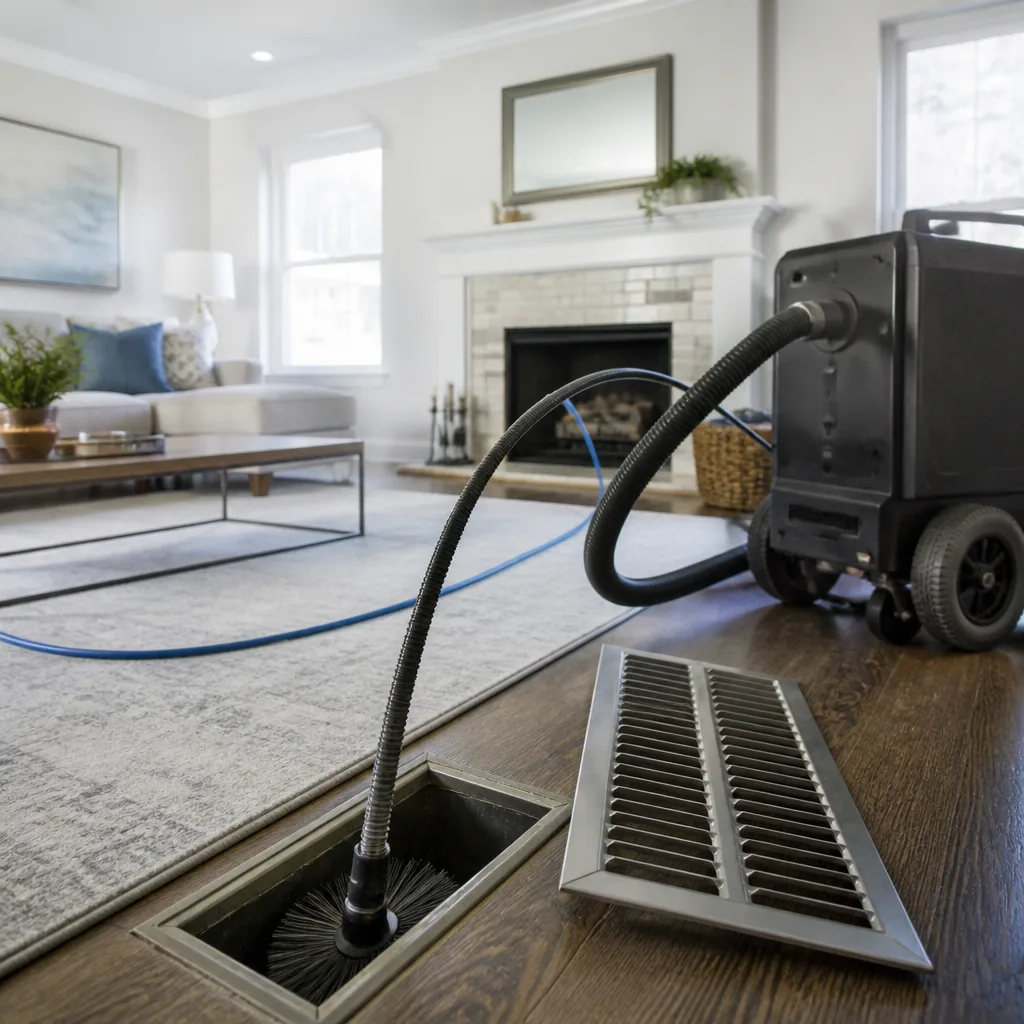 Whole-home duct cleaning
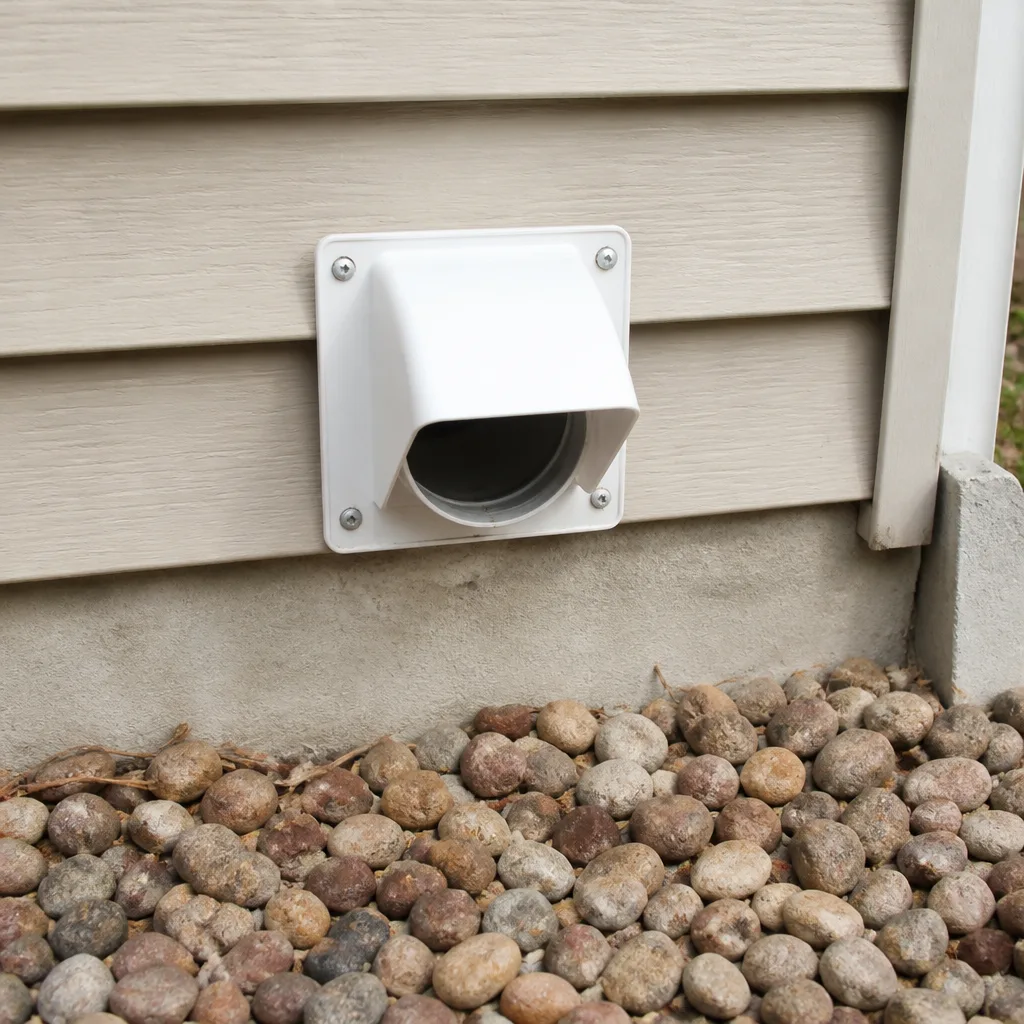 Dryer vent cleaning
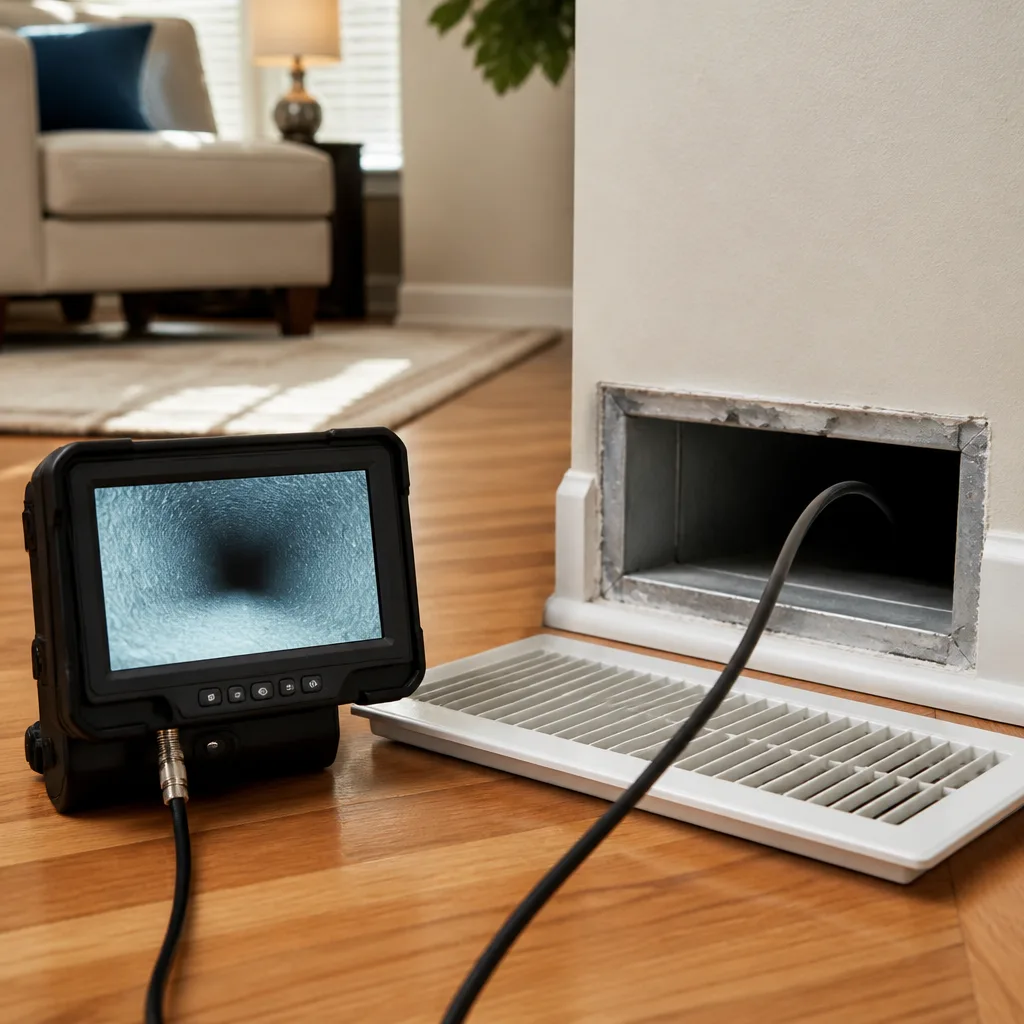 Camera inspection
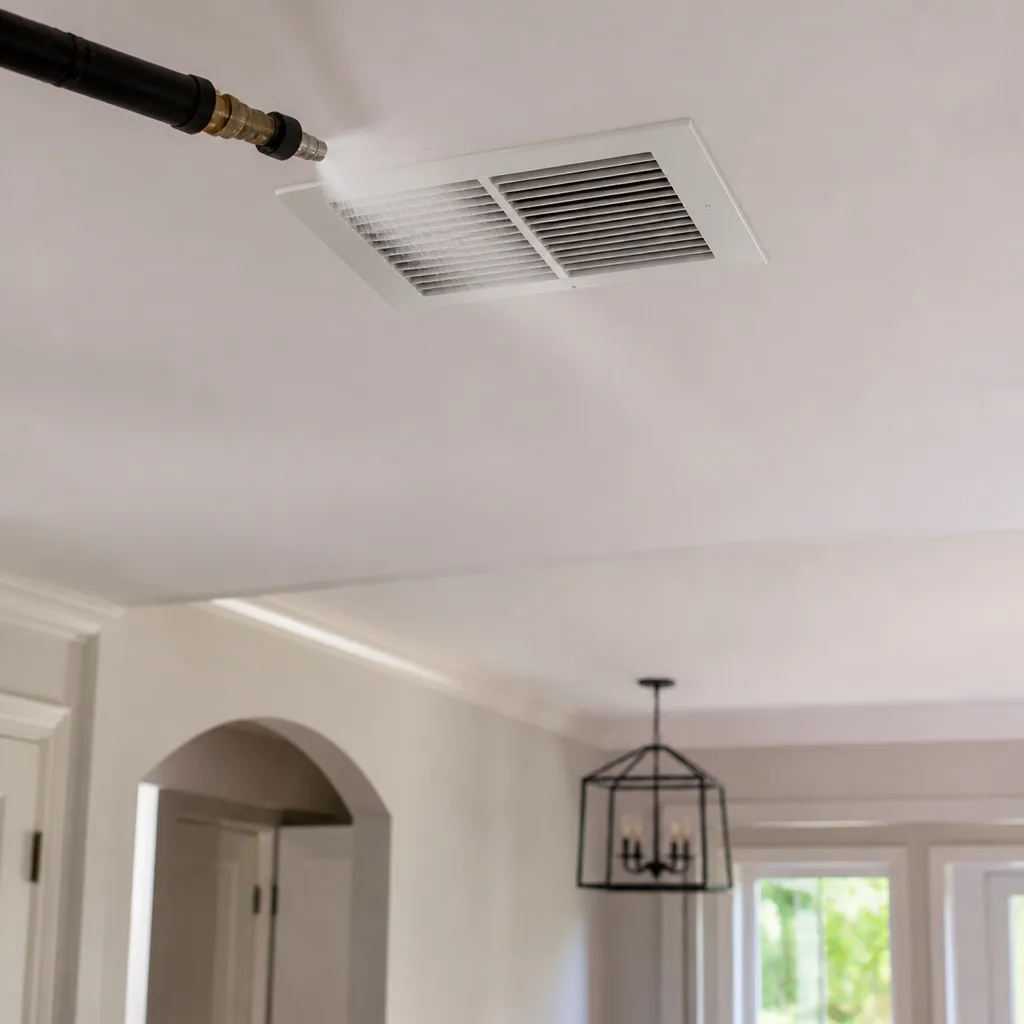 Sanitizing & deodorizing
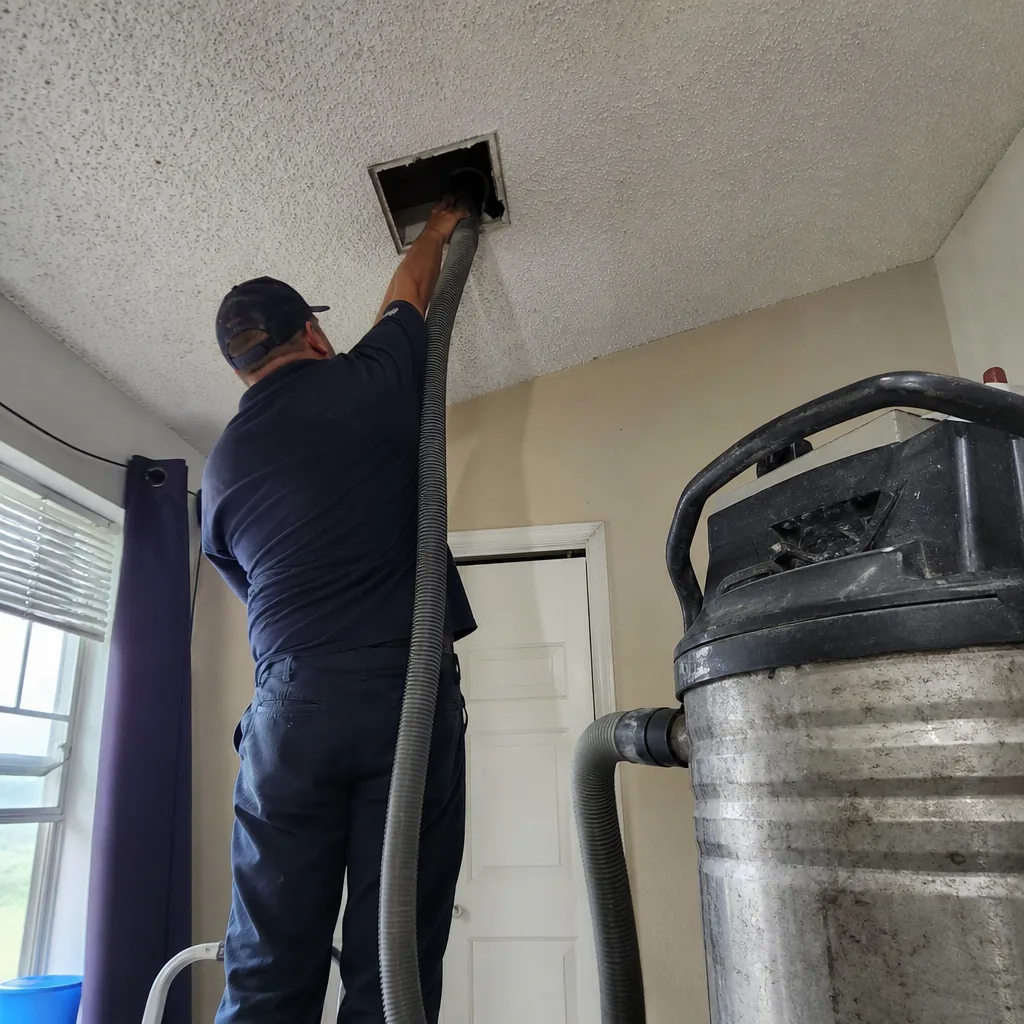
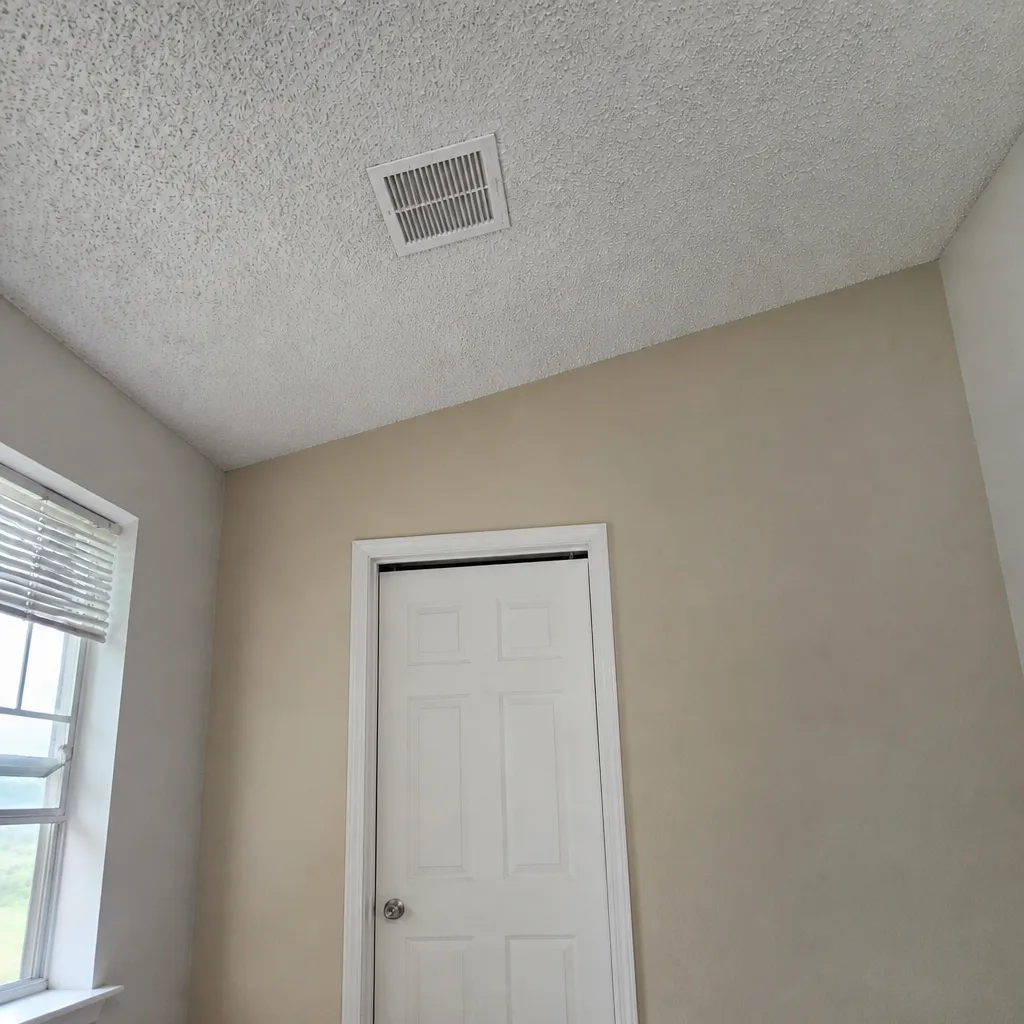
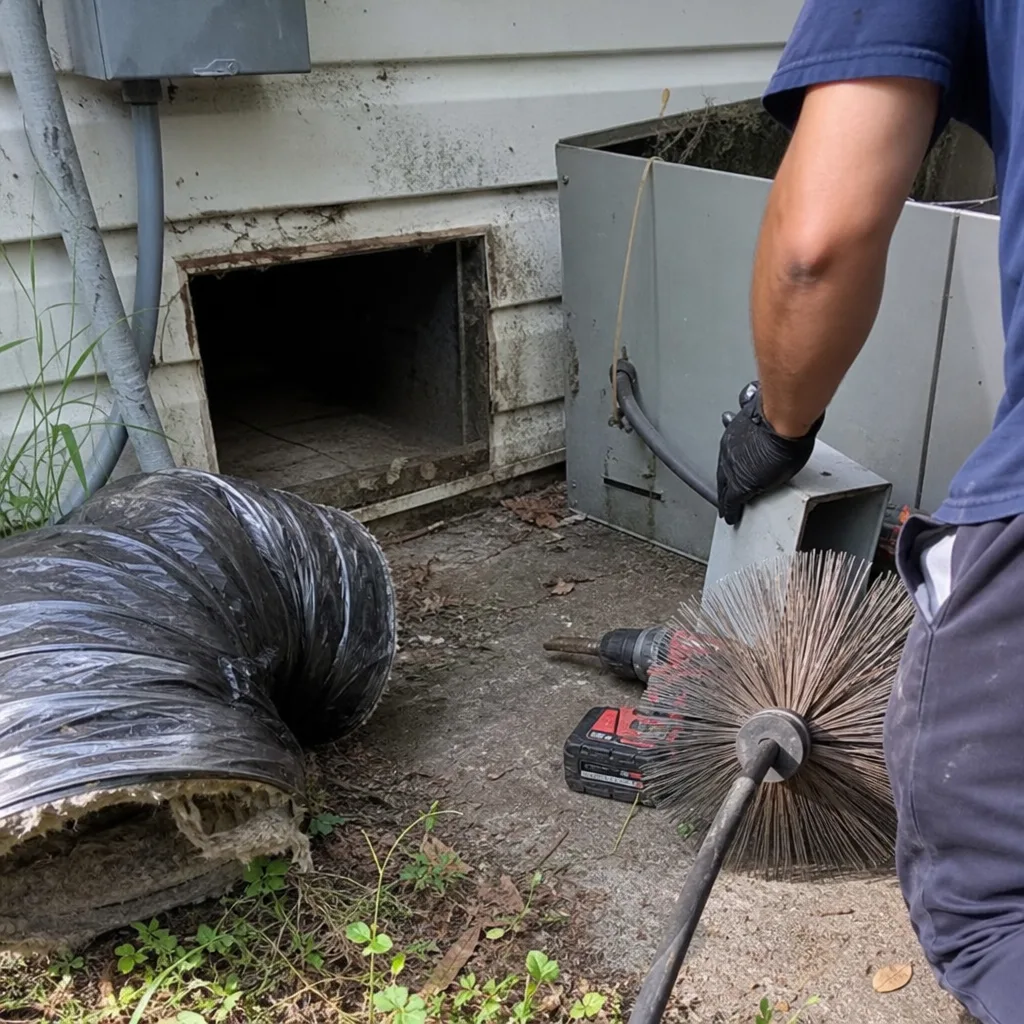
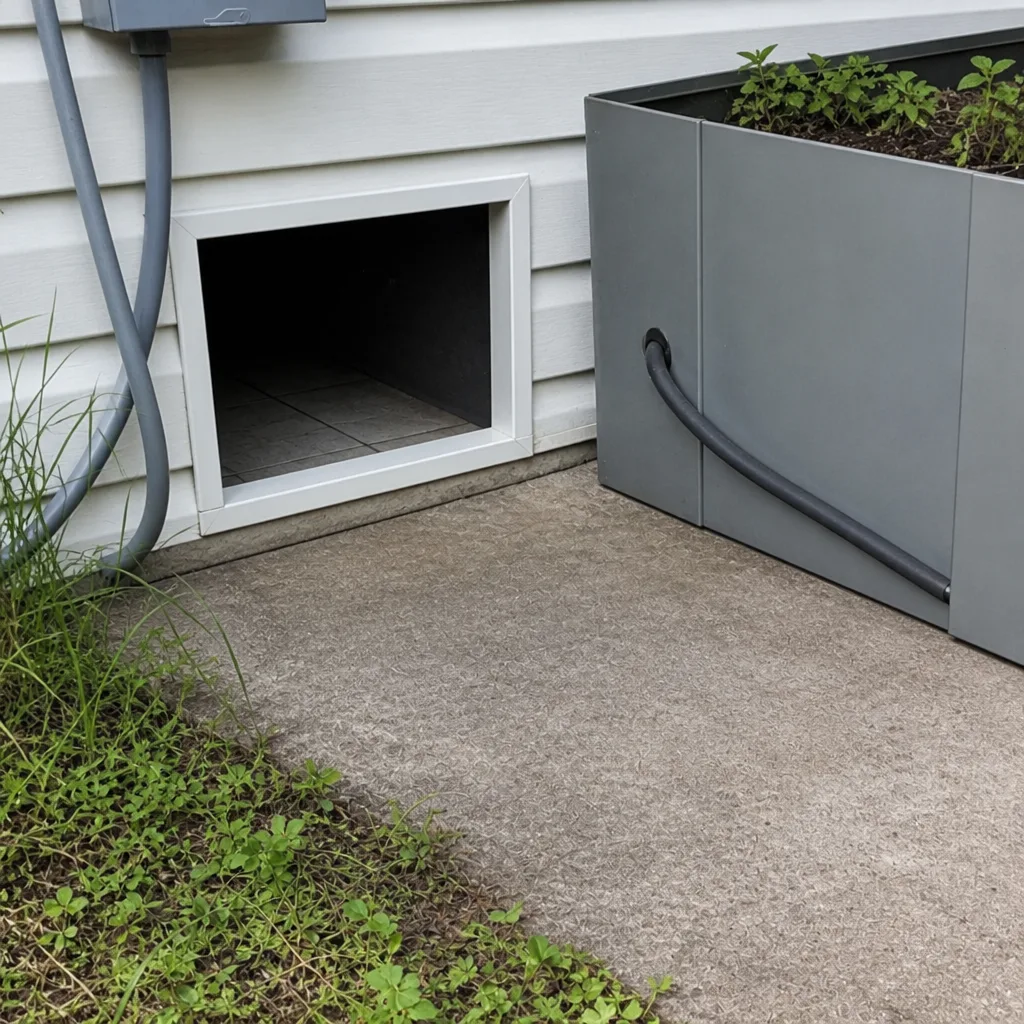
Whole-system duct and dryer vent check with before-and-after photos - you see exactly what came out of your vents
That "$99 whole-house special" is a bait ad - the real number appears once they are in your hallway, or the "clean" is a shop-vac at the register. We photograph the inside of your ducts before and after instead.
Seasonal Air Duct Cleaning Care for Spring Hill: Year-Round Homeowner’s Guide
Most seasonal duct care advice is written for a four-season climate, and it doesn’t fit Spring Hill. Our calendar here runs on a wet season and a dry season, not spring, summer, fall, and winter. That distinction matters because the two seasons put completely different stresses on the ductwork in your home. The wet season drives moisture and biological growth. The dry season gives you the stable window to inspect and repair. This guide walks through the whole year in Spring Hill, season by season, so you know what to watch, when to book professional work, and how to keep a freshly cleaned system from getting re-contaminated the week after.
Styles & brands we work with
- Whole-home duct cleaning
- Dryer vent cleaning
- Camera inspection
- Sanitizing & deodorizing
Quick Answer
In Spring Hill, the highest-value time to schedule professional air duct cleaning is the April to May window, right before the wet season pushes humidity high and mold risk climbs. After the wet season ends, October through March is the best window for inspection and any duct repair before the next cooling cycle loads the system again. Year-round, the single most useful habit is syncing filter changes and coil cleanings with your cleaning schedule so a clean system stays clean.
Table of Contents
- Why Generic Seasonal Advice Misses Spring Hill
- Pre-Wet-Season Prep: April and May
- Managing the Wet Season: June Through September
- Post-Storm and Power-Outage Duct Checks
- The Dry Season Window: October Through March
- Syncing Duct Cleaning With Filter and Coil Work
- What Professional-Grade Equipment Actually Changes
- Common Mistakes to Avoid
- When to Call a Professional
- Frequently Asked Questions
Why Generic Seasonal Advice Misses Spring Hill
Spring Hill doesn’t follow a temperature-driven seasonal model the way northern guides assume. What drives conditions inside your ducts here is moisture, and moisture follows a different rhythm entirely. The wet season from June through September can push average humidity above 80% outdoors, and that translates into indoor relative humidity high enough that mold colonization inside ductwork becomes a real risk within weeks. Not months. Weeks.
That single fact changes the whole care calendar. In a cold climate, the riskiest period for a duct system is winter, when the system runs hard and dry air circulates. In Spring Hill, the riskiest period is the wet season, when the system runs hard and the air is anything but dry. A duct liner that stays slightly damp through July and August is a different problem than a duct liner that dries out by October.
We’ve seen this pattern across Spring Hill homes again and again. The most common call we get in the fall is from a homeowner who had the system cleaned in, say, February and then wondered why the musty smell came back by September. The cleaning wasn’t the problem. The timing was.
What actually changes season to season
- Wet season (June to September): high humidity, heavy cooling load, condensate production, and the highest risk window for biological growth inside ducts.
- Shoulder months (April to May): the calm before the storm, literally. This is the best time to reset the system before humidity climbs.
- Dry season (October to March): lower humidity, a lighter cooling load, and stable conditions for inspection and repair work.
- Storm events (anytime in the wet season): power outages and extended HVAC downtime allow humid air to sit in the ductwork.
The point isn’t that duct cleaning is only worth doing once a year. The point is that when you clean matters just as much as whether you clean. A well-timed cleaning does more for indoor air quality than a poorly timed one ever will.
Pre-Wet-Season Prep: April and May
April and May are the highest-value window for professional cleaning in Spring Hill, and most homeowners don’t realize it. Here’s why: you’re cleaning the system before the conditions that cause the worst contamination arrive, not after. By the time the wet season is in full swing, the ducts are already loaded with a season’s worth of dust, dander, and debris. Cleaning in April and May means the system starts the wet season clean.
The logic is straightforward. Mold spores need three things to colonize: moisture, an organic food source, and time. Dust, pet dander, and skin cells inside a duct provide the food source. The wet season provides the moisture. If you remove the food source before the moisture shows up, you’ve removed one leg of the stool. If you wait until August, you’re cleaning a problem that’s already had two months to establish itself.
What a pre-wet-season cleaning should actually involve
- Full-system agitation. A rotary brush system like Rotobrush loosens debris from the duct walls rather than just blowing dust further down the line.
- HEPA-level extraction. A Nikro HEPA-rated vacuum captures the loosened debris and holds it, rather than recirculating fine particulate into the home.
- Before-and-after documentation. You should see photos of your own ducts, not stock images.
- A system-level look. A technician who knows Honeywell and Aprilaire filtration equipment can tell you whether your filter setup is doing the job it should during the wet season.
If you’re planning air duct cleaning at all this year and you haven’t booked it, this is the window to aim for. It’s also worth checking your registers and return grilles around the same time. If the grille faces look noticeably dusty going into the wet season, the ductwork behind them almost certainly does too.
The second piece of April and May prep is your filter setup. Your filter isn’t a duct cleaning replacement, but it is your first line of defense during the wet season. A filter that’s been in place for a year is doing very little by the time June arrives. Replace it before the wet season begins, and keep a spare on hand. We’ll cover filter syncing in more detail later in this guide.
Managing the Wet Season: June Through September
During the wet season, the goal shifts from cleaning to monitoring. You can’t control the outdoor humidity, but you can watch for the signs that your duct system is struggling with it. The good news is that most of the early warning signs are visible from outside the system, so you don’t need to open anything up.
What to monitor during the wet season
- The condensate drain pan. Check it regularly. Standing water in a drain pan that should be dry is the single most important early warning sign in a Florida home. A pan that isn’t draining properly means moisture is sitting where it shouldn’t be.
- Musty or earthy odors. A musty smell when the system kicks on is worth taking seriously. It’s often the first sign that something inside the system is damp.
- Visible condensation near registers. If you see condensation on or around a supply register, that register’s duct run may be under-insulated or leaking conditioned air into a hot space.
- Increased allergy symptoms indoors. If symptoms track with the season, the system’s condition is worth investigating.
- Dust patterns on return grilles. Heavy dust on the return side during the wet season often points to a system that needs attention.
We want to be clear about one thing: these are monitoring signs, not do-it-yourself diagnostic steps. Never open the air handler or disconnect ductwork to inspect inside the system during the wet season. That’s work for a trained professional with the right equipment, and it’s especially true if you suspect mold growth. If you see visible growth inside a register boot or around a duct connection, stop there and call someone.
The wet season is also when many Spring Hill homeowners notice that a system cleaned in the spring still has a slight odor by late summer. That’s not necessarily a failure of the cleaning. It’s the wet season doing what the wet season does. In our experience, homes with pets and homes with multiple occupants generate more dust and dander load, which can shorten the useful interval between cleanings. If you’re not sure whether your system needs attention, ask before booking. A free estimate should tell you honestly whether cleaning right now makes sense.
One more wet-season consideration: run your system’s fan less aggressively during the peak-humidity months if the outdoor humidity is very high and the system isn’t actively cooling. Circulating air through a duct system with a damp interior just moves moisture around. Let the system do its cooling work, and let the air handler’s coil do its dehumidification job.
Post-Storm and Power-Outage Duct Checks
A tropical system or an extended power outage creates a specific duct problem that doesn’t show up in generic guides: humidity infiltration during HVAC downtime. When the system is off for hours or days in the middle of the wet season, the duct system stops moving conditioned air. Warm, humid outdoor air migrates into the ductwork, condenses on interior surfaces, and can leave the system damp when power returns.
That’s the window where mold colonization gets a foothold. A single prolonged outage during the wet season is worth checking for. Here’s what to do after a storm or an extended outage:
- Run the system and notice the first ten minutes. If the initial airflow smells musty, that’s your signal that moisture got into the system.
- Look at the condensate drain pan. Any standing water after the system has run for an hour is worth investigating.
- Check for visible water near registers and the air handler. Water staining around a register boot or at the base of the air handler is a real concern.
- Watch indoor humidity for a week. If the home feels clammy well after the outage, the system may be struggling to remove moisture.
- Schedule an inspection rather than a cleaning. Post-storm, the right first step is a look, not a wash.
For homes that took on water anywhere near the duct system, the inspection should come before you turn the system back on for normal use. Skip the DIY check entirely in that case.
The other post-storm issue specific to Spring Hill is debris. High winds push fine debris into exterior vents and around the outdoor unit. If you have a dryer vent cleaning appointment coming up, ask the technician to flag anything visible near exterior duct terminations while they’re there. It’s a natural time to catch a problem early.
The Dry Season Window: October Through March
The dry season is Spring Hill’s inspection season. Lower humidity, lighter cooling loads, and stable conditions make October through March the best time for a thorough look at the system and for any duct repair work that needs doing. This is when you want to find the leaks, disconnected joints, and crushed flex runs that have been quietly costing you energy all year.
Why repair now instead of in, say, July? Because duct repair means working on the system, and the dry season gives the cleanest conditions for that work. There’s less ambient moisture to manage. There’s more of a window before the next wet season arrives. And there’s time to verify the fix actually works before the cooling load climbs again in the spring.
What dry-season inspection should cover
- Duct runs in the attic and crawl spaces. Disconnected or crushed runs are common in older homes and cost real money in lost conditioned air.
- Register boots and grille seals. A register that’s loose or unsealed leaks at the point of delivery, where it matters most.
- The air handler and plenum connections. These are high-pressure zones. Leaks here have outsized effects on efficiency.
- Filter setup and cabinet condition. A filter cabinet that bypasses air around the filter is a filter that isn’t working.
- Insulation on duct runs in unconditioned space. In a Spring Hill attic, an under-insulated run sweats in the wet season and wastes energy in the dry season.
Not every duct problem shows up as an obvious symptom, which is why we recommend a look even when nothing feels wrong. If you’ve had a system cleaned in the spring, the dry-season inspection is a natural follow-up. The technicians who clean are the same ones trained to spot a repair issue that a cleaning-only operation would miss entirely.
The dry season is also the season when you’ll notice duct repair’s effects most clearly on your bill. A system that has been leaking 15% of its conditioned air into the attic all summer is a system that’s been working harder than it needs to. Seal the leaks in the dry season, and you feel it in the wet season.
Syncing Duct Cleaning With Filter and Coil Work
The most common reason a freshly cleaned system is contaminated again within months is that the cleaning happened out of order. If you clean the ducts and then change the coil later, or change the filter after the ducts are loaded with debris, you’ve wasted the clean. Done in the right order, each piece of work supports the next.
The correct order of operations
- Filter change first. A fresh filter catches what the system moves after cleaning.
- Coil inspection and cleaning next. A dirty coil releases debris into the airstream. Clean it before the ducts, not after.
- Duct cleaning after both. With a clean filter and a clean coil, the duct cleaning leaves the system in its best state.
- Filter change again shortly after. A second filter change in the weeks after a cleaning catches fine particulate that shook loose during the service.
In a Spring Hill home running through the wet season, coil cleaning deserves a second look. The cooling coil produces condensate continuously through the summer, and a coil that isn’t draining properly holds moisture and supports biological growth. That’s why we pay attention to the whole air quality ecosystem, not just the ducts. Familiarity with Honeywell and Aprilaire equipment means we understand how the filtration and dehumidification side of your system interacts with the ductwork.
If you’re a property manager running a maintenance calendar across multiple units, the cleanest approach is to schedule the sequence as a single project rather than four separate service calls. It costs less in downtime and it eliminates the biggest re-contamination risk on the list.
For a broader view of how all of this fits together, our main Duct Cleaning Spring Hill service overview covers the three services in more detail and how they interlock.
What Professional-Grade Equipment Actually Changes
This matters more than most homeowners realize. The equipment question isn’t about brand loyalty. It’s about whether the cleaning method actually removes contamination or just moves it around. Brush-agitation plus HEPA extraction is the method industry professionals rely on, and the difference is concrete.
The two-system method
The Rotobrush rotary brush system agitates the interior surfaces of the ductwork. Dust, dander, and debris adhere to duct walls. A wand alone blows over the surface. A rotary brush actually reaches the walls and loosens what’s stuck there. The Nikro HEPA-rated vacuum runs in tandem, capturing the loosened material and holding it rather than letting it recirculate. One system agitates. The other captures. Neither works as well alone.
When remediation-grade equipment matters
Routine dust is one kind of job. Post-storm moisture, mold spores, and post-construction debris are another. For jobs involving actual contamination, the difference comes down to whether the equipment can establish negative-air-pressure containment. Abatement Technologies equipment is on hand for exactly those cases. It’s the difference between routine cleaning and contamination-level remediation.
Why the specialist focus matters
A generalist company that offers plumbing, HVAC, and electrical work rotates its technicians across unrelated trades. A single-trade focus means every technician is trained specifically in duct systems. In our experience, that focus shows up in the details: knowing that a register boot leak needs different handling than a flex run leak, or that a Honeywell filter cabinet with a bypass isn’t the same problem as a clogged filter.
Our technicians have up to 9 years of experience in duct systems specifically. If you want a thorough look at your system, our three services are air duct cleaning, dryer vent cleaning, and air duct repair. That’s the whole scope, and it’s deliberate.
Common Mistakes to Avoid
- Cleaning in the fall and calling it a year. A fall cleaning misses the wet season entirely, and the wet season is Spring Hill’s real contamination risk window. Book the cleaning for April or May instead, and use the fall for inspection.
- Replacing the filter before a coil cleaning. If the coil is dirty, it releases debris into the ducts. Clean the coil first. Then clean the ducts. Then replace the filter again.
- Ignoring the condensate drain pan through the summer. A pan that’s not draining is the most common source of wet-season duct moisture. It’s a five-second visual check that prevents the problem before it colonizes.
- Opening the air handler or ductwork to “check” for mold. See visible growth inside a register, stop. Disconnecting ductwork or opening an air handler without proper containment can spread spores through the home. Call a professional instead.
- Judging cleaning quality by price alone. Per-vent pricing is how a low headline number becomes a big invoice. Ask for a whole-system flat price agreed before work starts, and ask to see before-and-after photos of your own ducts.
- Skipping the dry-season inspection because nothing feels wrong. Duct leaks and crushed flex runs often produce no symptom, just a slow energy drain. The dry season is the window to find them.
- Assuming cleaning is a fix for a damaged run. If a run is disconnected or crushed, cleaning it doesn’t help. Repair it first, then clean. A cleaning-only operation can’t do the repair step.
When to Call a Professional
Some signs are urgent, and some are worth a scheduled appraisal. Call right away if you see visible mold growth inside a register, smell an earthy or musty odor when the system kicks on, or find standing water in the condensate pan after the system has been running for an hour. Also call if a storm or a long power outage during the wet season was followed by a noticeable change in indoor air quality. For the quieter signs, book an inspection during the dry-season window: an energy bill that creeps up each summer, visible dust on return grilles that comes back fast after cleaning, or a system cleaned more than a year ago in a home with pets. Duct Cleaning Spring Hill offers free estimates in Spring Hill. Call (833) 858-5701. We answer 24/7. Fast dispatch from 7am to 7pm, Sunday through Friday.
Frequently Asked Questions
April and May is the best window in Spring Hill, right before the wet season drives humidity high and mold risk climbs. Cleaning then removes the dust and dander that would otherwise feed biological growth through June to September. A fall cleaning isn’t wrong, it just misses Spring Hill’s real risk season. Call (833) 858-5701 for an exact quote. Estimates are free.
Pricing depends on the layout and condition of the system, so whole-system estimates are the only honest way to quote it. Expect to provide square footage, number of registers, and system type when you request a quote. Call (833) 858-5701 for an exact quote. Estimates are free.
Low per-vent pricing is the most common reason a small number becomes a large invoice once the technician is on site. Ask for one flat price per system agreed before work starts, and be wary of any quote that’s priced per vent or built on a teaser coupon. Call (833) 858-5701 for an exact quote. Estimates are free.
Ask for before-and-after photos of your own ducts, not stock images. A professional-grade service with rotary brush agitation and HEPA extraction should be able to document both sides of the job. Ask upfront whether documentation is included. Call (833) 858-5701 for an exact quote. Estimates are free.
For most Spring Hill homes, once a year timed to the April and May window handles the wet-season risk well. Homes with pets, multiple occupants, recent renovations, or a history of moisture issues may need attention sooner. If you’re not sure, an inspection will tell you. Call (833) 858-5701 for an exact quote. Estimates are free.
Yes, repair comes before cleaning when ductwork is damaged. Cleaning a disconnected or crushed run doesn’t fix the leak, and it can push debris into spaces you don’t want it. Repair first, then clean. Call (833) 858-5701 for an exact quote. Estimates are free.
The Bottom Line
Spring Hill’s duct care calendar follows a wet season and a dry season, not four seasons. The wet season (June to September) drives the highest mold and moisture risk, and the best defense is a professional cleaning in April or May before it begins. After the wet season, October through March is the window for inspection and duct repair before the next cooling cycle. The single most useful habit year-round is sequencing work correctly: coil first, then ducts, then filter, then a follow-up filter change. And when you book, ask for a flat whole-system price agreed before work starts, with before-and-after photos of your own ducts. That’s the standard professional-grade service should meet.
Ready to schedule? Call (833) 858-5701 for a free estimate on air duct cleaning, dryer vent cleaning, or air duct repair in Spring Hill. We answer 24/7. Fast dispatch from 7am to 7pm, Sunday through Friday.
Written by the team at Duct Cleaning Spring Hill.
See the difference
 Before
 After
 Before
 After
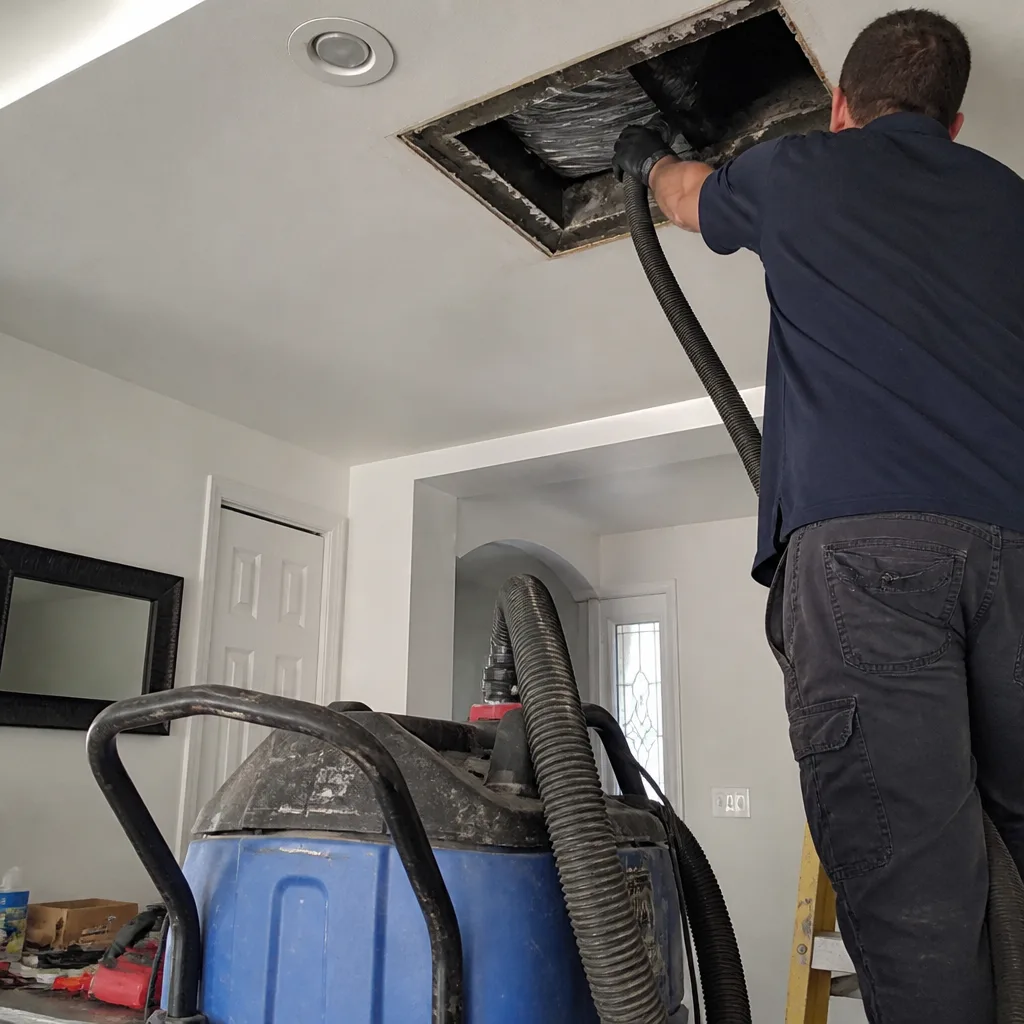 Before
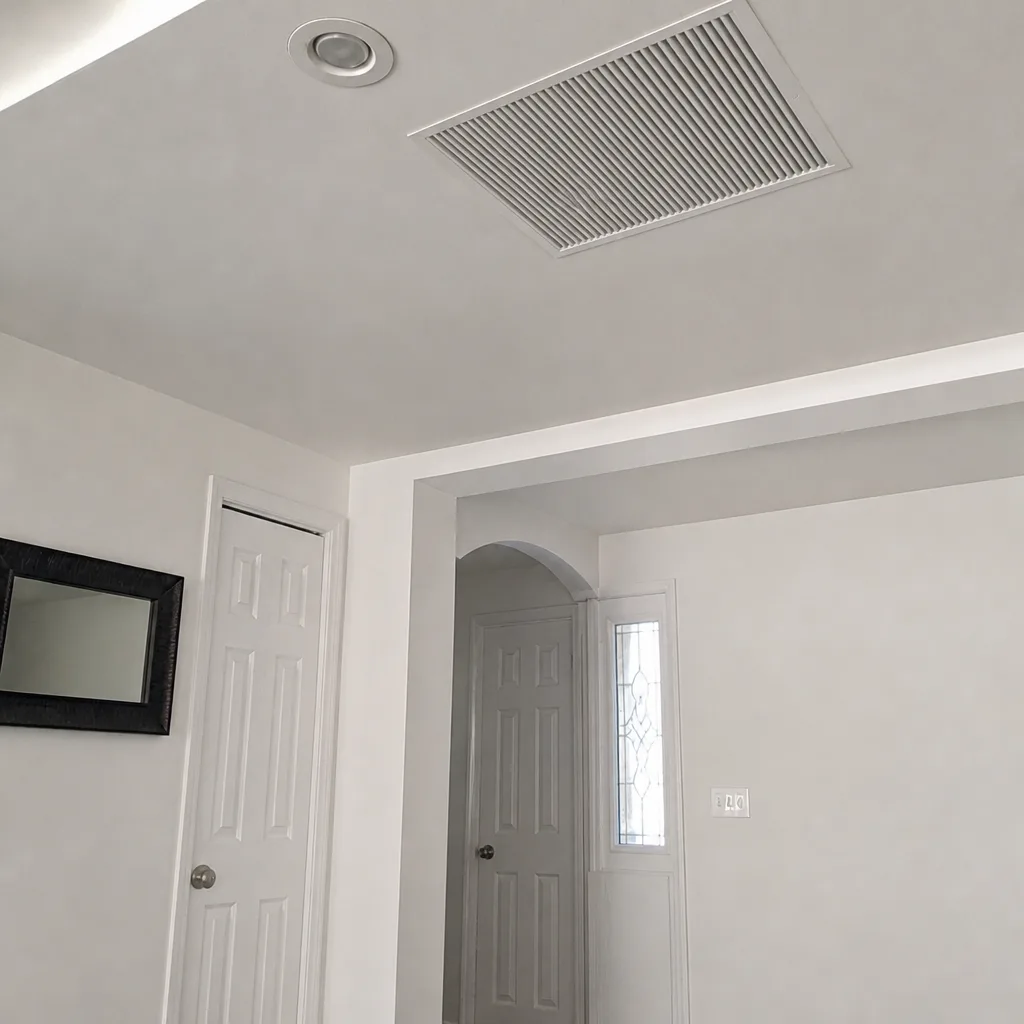 After