
Last updated November 15, 2026
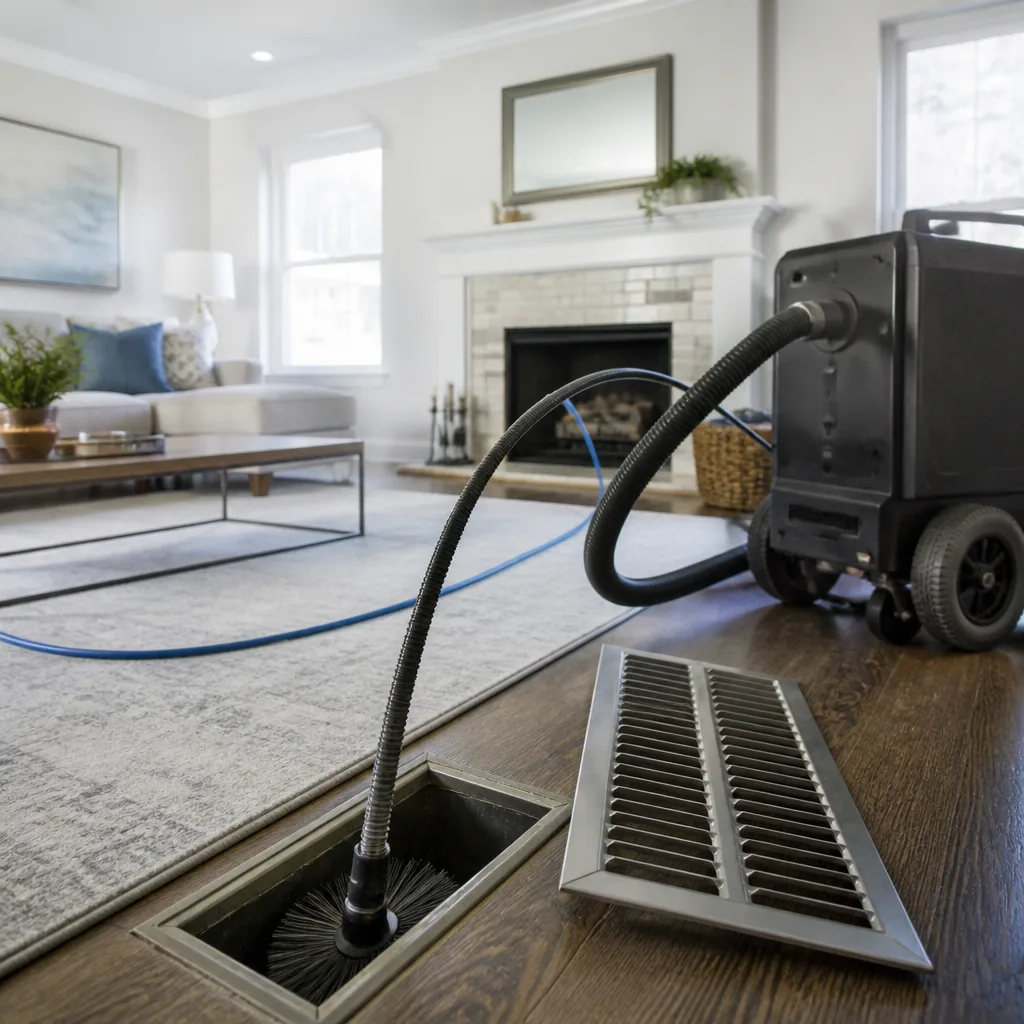 Whole-home duct cleaning
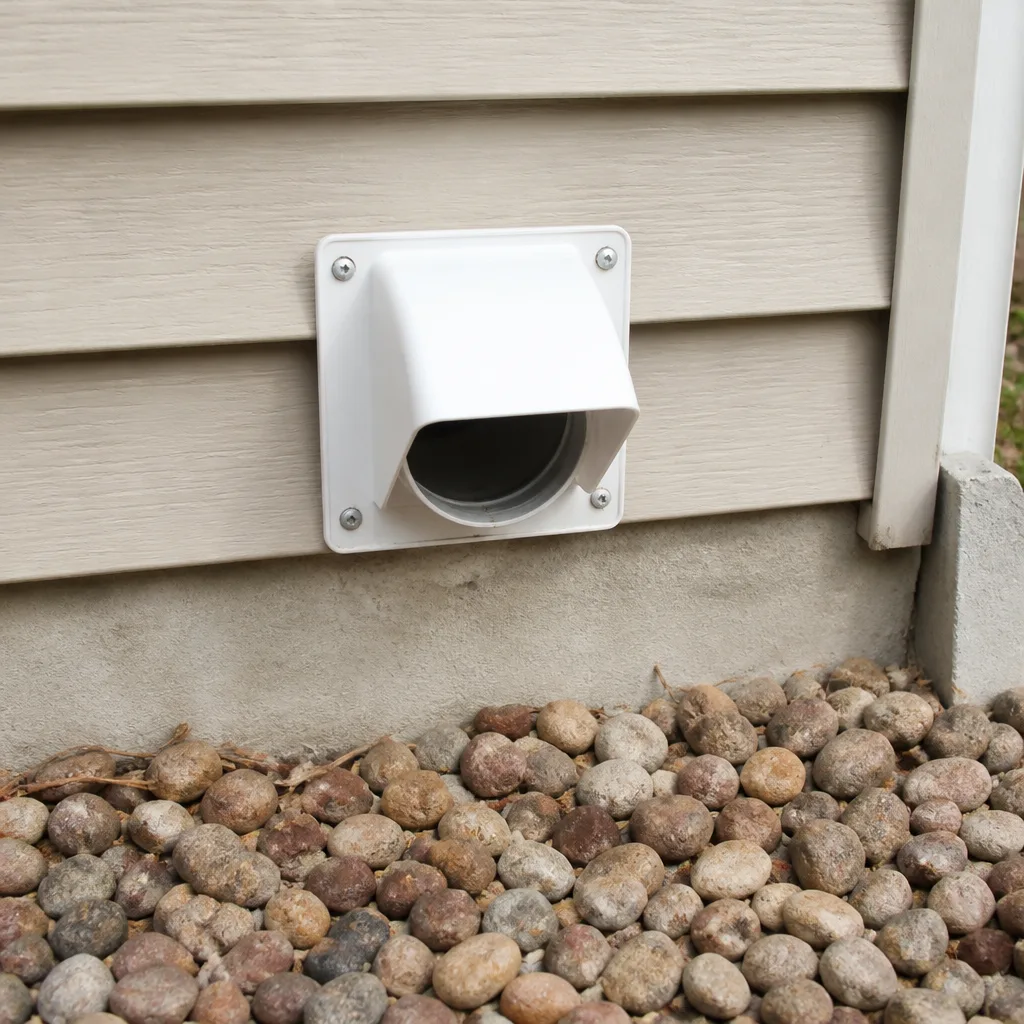 Dryer vent cleaning
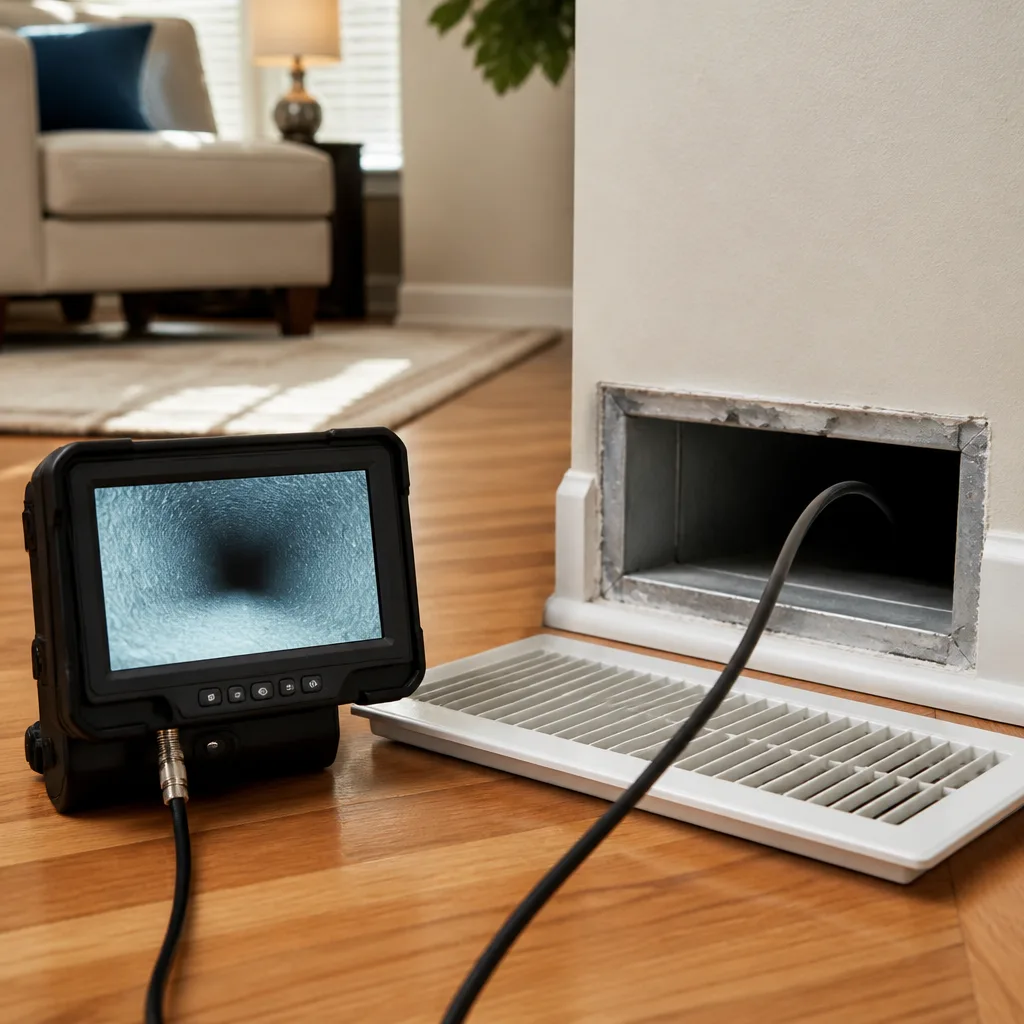 Camera inspection
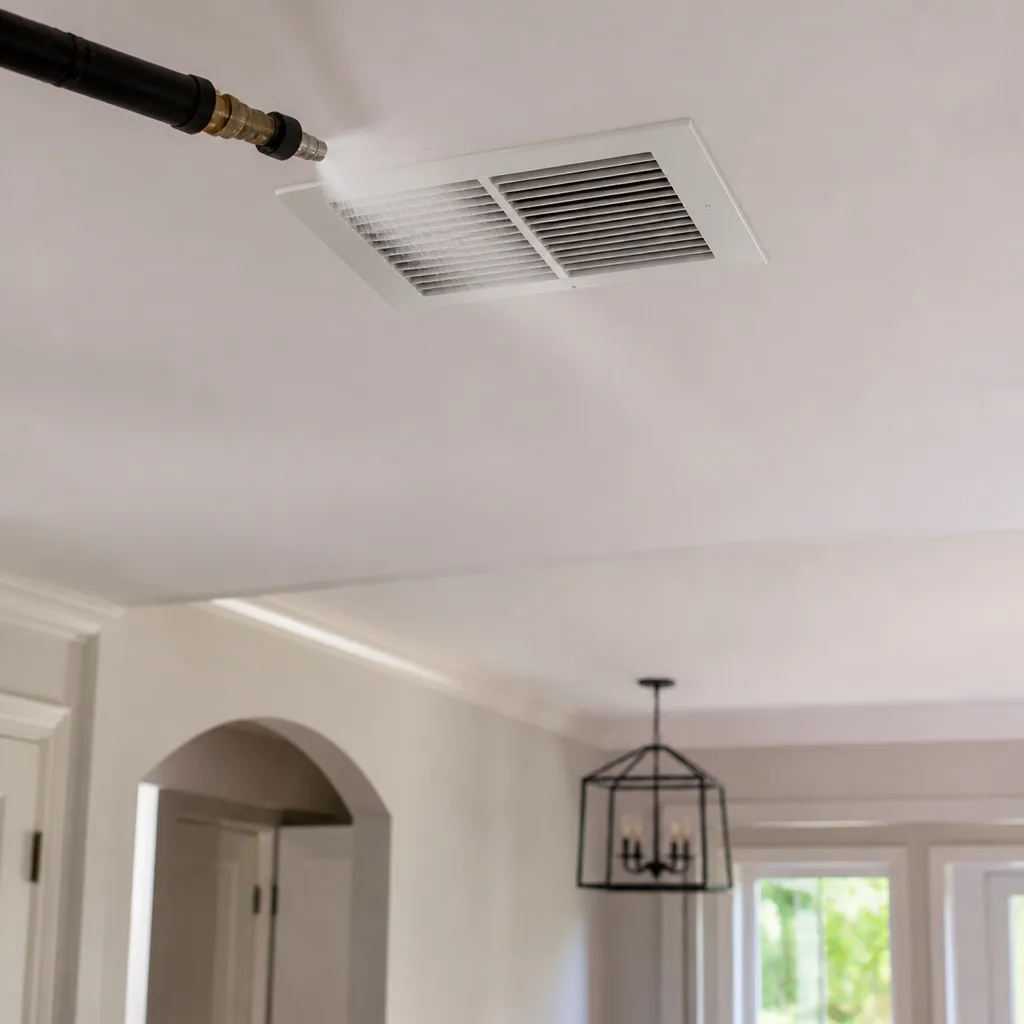 Sanitizing & deodorizing
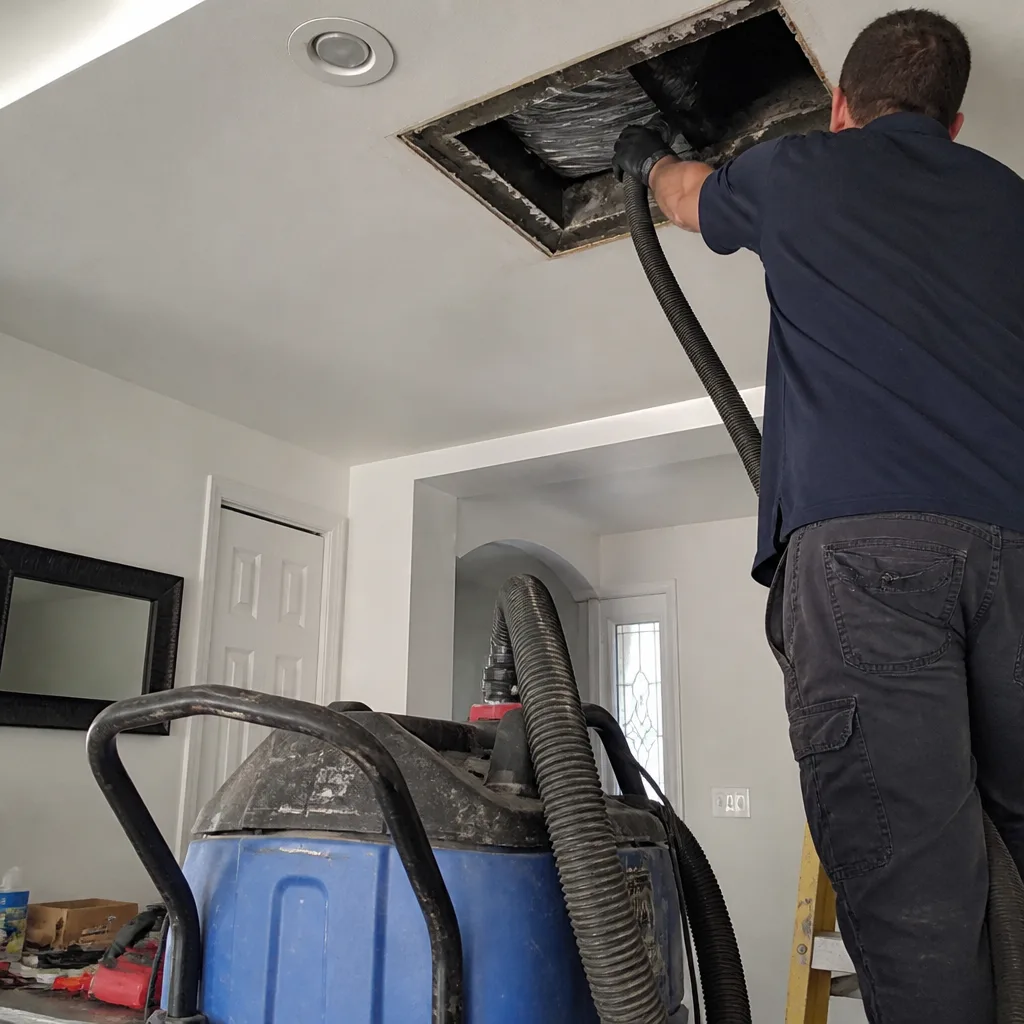
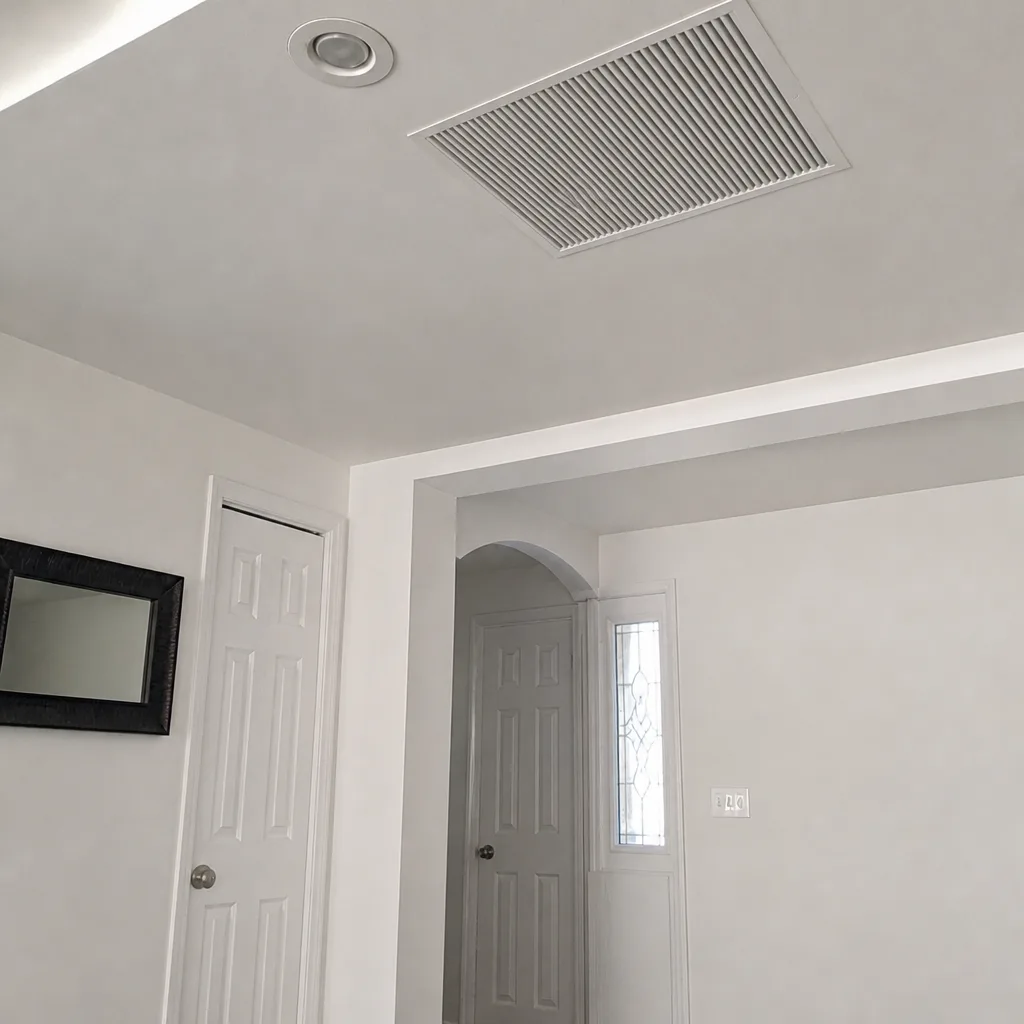
Whole-system duct and dryer vent check with before-and-after photos - you see exactly what came out of your vents
That "$99 whole-house special" is a bait ad - the real number appears once they are in your hallway, or the "clean" is a shop-vac at the register. We photograph the inside of your ducts before and after instead.
The Complete Guide to Air Duct Cleaning in Spring Hill
Most homeowners assume their ducts stay clean until something visibly goes wrong. That assumption costs them. In Spring Hill, the air handler runs almost nonstop from spring through fall, pulling in pollen, humidity, and ultrafine debris with every cycle. A system that “looks fine” at the register can be carrying a microbial load a visual check will never catch. This guide explains what professional air duct cleaning actually involves in Spring Hill, how Hernando County’s climate changes the math, and how to tell a real deep clean from a surface sweep.
Quick Answer
Air duct cleaning in Spring Hill is the brush-agitation and HEPA-vacuum removal of accumulated dust, pollen, pet dander, biofilm, and debris from the full duct system, not just the registers. Because the local climate keeps HVAC systems running for a large share of the year, most Spring Hill homes benefit from cleaning on a shorter interval than the 3-5 year figure quoted by national sources. A credible job uses rotary brush systems and HEPA-rated extraction, not a single shop-vac.
Styles & brands we work with
- Whole-home duct cleaning
- Dryer vent cleaning
- Camera inspection
- Sanitizing & deodorizing
Table of Contents
- Why Spring Hill’s Climate Changes the Duct Cleaning Equation
- What a Professional Inspection Actually Reveals
- Source Removal vs. Surface Sweep: The Difference That Matters
- How Often Spring Hill Ducts Really Need Cleaning
- The Equipment a Credible Specialist Brings On-Site
- Step-by-Step: How a Professional Duct Cleaning Actually Goes
- When Cleaning Isn’t Enough: Air Duct Repair
- The Dryer Vent Connection
- Common Mistakes to Avoid
- When to Call a Professional
Why Spring Hill’s Climate Changes the Duct Cleaning Equation
National duct cleaning guidance is written for a climate that doesn’t match ours. If you search “air duct cleaning Spring Hill FL,” you’ll get the same 3-5 year recommendation you’d get in Phoenix or Minneapolis. That advice assumes a system that sits idle part of the year. Ours doesn’t.
Florida homes run their air handlers roughly 2,800 hours a year, close to double the national average. Every one of those hours pulls air through the return, across the filter, and into the supply trunk. It also carries what’s in the air. Hernando County’s relative humidity averages around 74% RH, which is the sweet spot for mold spores and microbial growth on duct surfaces that stay cool and damp. That combination, long runtime plus steady moisture, changes the accumulation rate materially. Contaminants don’t just settle in Spring Hill ducts; they colonize.
Then there’s pollen. Spring Hill’s long growing season keeps airborne pollen in circulation far longer than in northern markets. Pet dander and fine dust ride along with it. What this means practically:
- Biofilm and mold spores build faster on the cool interior of supply ducts than in dry climates.
- Pollen and dander load the return side quickly during the long cooling season.
- Post-construction debris stays suspended longer in homes with high airflow and closed windows.
- The “3-5 year” interval, in our experience across Spring Hill, is often a year or two too generous.
None of this means every home is dirty. It means the baseline is different here, and a cleaning plan should reflect that. If you’re new to the area or moving into a home that’s had a renovation, start with a proper inspection. Our Spring Hill page lays out the local service picture, but the climate argument is the same across town.
What a Professional Inspection Actually Reveals
A look at the register tells you almost nothing. A professional inspection with a video camera system running into the trunk line and branches is a different exercise entirely. That’s the part most homeowners never see, and it’s where the real decision gets made.
Video inspection doesn’t require pulling runs apart. A small camera snakes through the ductwork and shows what’s on the interior walls, in the transitions, near the plenum, and in the return. In Spring Hill homes, that footage typically surfaces four categories of problem:
- Surface accumulation. Dust and lint coating the duct walls, thickest near the return and plenum where velocity drops.
- Microbial growth. Dark, mottled patches on the cool side near supply branches, consistent with the humidity-driven biofilm mentioned above.
- Structural gaps. Separated joints, crushed flex runs, or disconnected sections that leak air or pull from unconditioned space.
- Obstructions. Debris, insulation scraps, or pest material blocking a branch and starving a room of airflow.
That’s the difference between guessing and knowing. A homeowner who sees the camera footage understands exactly why a cleaning is or isn’t warranted. The same footage, shot before and after, is also how you verify a job was actually done, which we’ll come back to. If you want that inspection done by people who do this all day, that’s the air duct cleaning service in detail.
Source Removal vs. Surface Sweep: The Difference That Matters
Source removal is the NADCA-standard approach: agitate the contamination off the duct surfaces, then capture it with negative-pressure HEPA extraction so it leaves the system for good. A surface sweep, which is far more common, runs a wand or a shop-vac through the registers and pulls a little visible dust. It looks like cleaning. It isn’t.
Here’s why that gap matters. A surface sweep disturbs settled debris without capturing it, which can actually push more particulate into the living space than it removes. Source removal uses two steps in sequence: rotary brush agitation to break the material loose from the duct wall, then high-volume HEPA vacuum extraction to capture it before it resettles. Neither step works alone. The brush without the vacuum just makes dust. The vacuum without the brush skims the top layer.
The distinction comes down to a few concrete differences:
- Coverage: source removal addresses the full run, including the trunk line, not just the visible branches.
- Containment: negative air pressure keeps the work zone under control, especially on contamination-level jobs.
- Verification: before-and-after footage shows the interior, not the register.
Spring Hill’s humidity load makes the distinction more consequential. Biofilm clings to the duct wall. A sweep won’t remove it. Brush agitation will. That’s why the equipment mix, not the marketing, is the real signal of a serious job. A specialist who runs duct cleaning Spring Hill as a dedicated trade should be able to explain the method in those terms.
How Often Spring Hill Ducts Really Need Cleaning
The widely quoted 3-5 year national recommendation doesn’t map cleanly onto Spring Hill homes. It’s not a bad starting point, but it assumes a climate most of us don’t live in. Given the runtime and humidity we covered above, our practical starting point for most Spring Hill homes is every 2-3 years, with a few households needing a shorter interval.
The interval should flex with the household, not just the calendar. Here’s how we think about it:
- Standard household, no pets, no allergies: every 3 years is usually reasonable, with a video inspection to confirm.
- Pets in the home: dander load runs higher; every 2 years is a sound starting point.
- Allergy or asthma sufferers: every 1-2 years, coordinated with filter changes.
- Recent renovation or new construction: clean once after the work is finished, regardless of the clock, to clear drywall dust and insulation debris.
- Move-in or pre-sale: clean before occupancy so you start from a known baseline, not the previous owner’s.
These are starting points, not rigid rules. The real answer comes from the inspection. A home with heavy dust and clear microbial growth needs cleaning sooner than its calendar says. A well-maintained home with a good filtration setup may stretch longer. The point is to let the condition of the system set the interval, not a generic figure from a national site.
The Equipment a Credible Specialist Brings On-Site
What shows up in the driveway tells you most of what you need to know before anyone opens a register. Consumer-grade vacuums handle light surface dust. Professional duct cleaning requires purpose-built equipment, and the difference is visible on arrival.
At Duct Cleaning Spring Hill, the equipment set is deliberate and multi-manufacturer:
- Rotobrush rotary brush systems for mechanical agitation of the duct wall, which is how adhered contamination is actually removed.
- Nikro HEPA-rated vacuum extraction for high-volume capture of what the brush releases, so particulate leaves the system rather than the register.
- Abatement Technologies equipment on hand for jobs that call for true negative-air-pressure containment and HEPA-level capture, such as allergen-heavy, post-construction, or contamination-level work.
That’s the brush-agitation-plus-HEPA-extraction combination working as a system, not a single wand. It’s also why we can speak to the filtration side of the equation. Our technicians are familiar with Honeywell and Aprilaire IAQ systems, so a cleaning recommendation accounts for how the home filters and ventilates, not just what’s in the ducts. If a filter setup is undersized for the household, that’s worth knowing before the next cleaning.
It’s worth being blunt here: if the only tool on the truck is a shop-vac, the job on offer is a surface sweep. Professional-grade equipment, not consumer shortcuts, is what separates a real cleaning from a promise.
Step-by-Step: How a Professional Duct Cleaning Actually Goes
Curious what the visit looks like? Here’s the sequence a source-removal cleaning follows in a Spring Hill home. No two systems are identical, but the flow is consistent.
- Inspection and setup. The technician maps returns, supplies, and the air handler, then runs a video camera through the system to document conditions before touching anything.
- Negative pressure established. A HEPA extraction unit connects to the main trunk, and the system is placed under negative pressure so loosened debris moves toward the vacuum, not into the home.
- Register removal and agitation. Registers and covers come off. The rotary brush works the full length of each branch and the trunk, breaking contamination loose from the walls.
- Extraction. The HEPA vacuum pulls the released material into a sealed collection system while the brush continues to agitate, so capture happens in real time.
- Component cleaning. The air handler, blower, and coil are assessed. Filters are checked and the filtration setup is reviewed against the home’s actual load.
- Post-cleaning inspection. The camera goes back in. Before-and-after footage is captured so the homeowner can see the interior of their own ducts.
- Attribution. Any structural issues found (crushed runs, disconnected joints, leaks) are documented so they can be addressed, which is where repair comes in. You can read more about the full scope through our Spring Hill service area.
That last step matters. Cleaning without checking the system’s integrity can leave a leak pulling unconditioned, humid air into the ducts. That’s an invitation for the biofilm to come back.
When Cleaning Isn’t Enough: Air Duct Repair
Sometimes the ducts don’t just need cleaning. They need fixing. Disconnected flex runs, crushed sections, and separated joints are common findings, and no amount of vacuuming solves them. That’s why Duct Cleaning Spring Hill offers air duct repair as one of its three core services, a capability many cleaning-only competitors simply don’t have.
In our experience with Spring Hill homes, the most common repair issues fall into a few categories:
- Separated or disconnected joints in flex runs, which leak air and pull from attic space.
- Crushed or kinked branches from furniture, storage, or improper installation, which strangle airflow to a room.
- Seam failures on the trunk line that let humid attic air into the system.
The practical upshot: if a cleaning finds a structural problem, it gets documented and addressed rather than ignored. Cleaning a damaged system is half a job. Clean ducts and repaired ducts together are what you’re after.
The Dryer Vent Connection
Air duct cleaning gets the attention, but the dryer vent is a different system with its own risks, and it’s often neglected. Lint accumulation in the exhaust run restricts airflow, and a restricted dryer vent is one of the leading causes of residential fires. Cleaning it is a straightforward step that belongs in any home maintenance plan.
Signs a dryer vent needs attention include clothes taking longer than usual to dry, the dryer feeling hot to the touch, or visible lint collecting near the exterior vent. In Spring Hill homes where the dryer runs regularly, an annual cleaning is a sensible baseline. Our dryer vent cleaning service handles it as part of the same visit if you’d like. Clean ducts, repaired ducts, and clear vents is the complete picture.
Common Mistakes to Avoid
- Choosing on price alone. A low coupon price that turns into a much larger invoice once the technician is on-site is this industry’s most common bait-and-switch. Ask for one flat price per system, agreed in writing before work starts.
- Accepting a register-only clean. If the work starts and ends at the vent covers, it’s a surface sweep, not source removal.
- Ignoring the climate variable. Applying the national 3-5 year figure to a Florida home that runs its system year-round leaves contaminants in place too long.
- Skipping the inspection. Cleaning without a video inspection is guesswork. You can’t fix what you haven’t looked at.
- Overlooking the dryer vent. It’s a separate system, and it’s the one with a genuine fire risk. Don’t fold it into duct cleaning and forget it.
- Not asking for before-and-after evidence. If a company can’t show you the interior of your ducts before and after, you have no way to verify the work.
When to Call a Professional
There are clear signals that a duct cleaning is worth a conversation. Visible dust blowing from registers after the system starts is one. Persistent allergy symptoms that ease when you leave the house and flare when you return are another. A recent renovation, a new pet, a move into a home with an unknown maintenance history, or a dryer that takes two cycles to dry a load all point the same direction. So does a system that hasn’t been inspected since you moved in. Duct Cleaning Spring Hill offers free estimates in Spring Hill. Call (833) 858-5701 and we’ll book a video inspection so you know what’s actually in the system before deciding. The written estimate sets the price, and the price is set per job, not per vent.
Frequently Asked Questions
Most whole-system air duct cleanings in Spring Hill fall in a typical range, and the exact price depends on the size and condition of the system, the number of runs, and whether repair or dryer vent cleaning is added. We don’t quote per vent or offer teaser coupon figures. You’ll get one flat price per system, agreed before any work starts, with the written estimate setting the final number. Call (833) 858-5701 for an exact quote. Estimates are free.
Cheap quotes usually buy a surface sweep, not source removal. A single consumer-grade vacuum and a wand at the registers is a fraction of the labor and equipment a real cleaning requires. The low figure often grows once the technician is on-site, which is the classic bait-and-switch pattern. Ask what method and equipment the company uses, and whether the price is per system or per vent. Call (833) 858-5701 to compare on method, not just on price.
Before-and-after video footage of your own ducts is the proof. A professional cleaning includes a pre-inspection camera run and a post-cleaning one, so you see the interior condition in both states. If a company won’t provide that, the claim is unverifiable. We document each job that way, because “we cleaned your ducts” without evidence is just a phrase. Call (833) 858-5701 to schedule an inspection with footage.
For most Spring Hill homes, every 2-3 years is a practical starting point, shorter for households with pets, allergies, or recent renovation work. The national 3-5 year figure assumes a climate with a shorter cooling season. A year-round system in Hernando County’s humidity accumulates faster. Call (833) 858-5701 for an inspection and we’ll help you set an interval based on your actual system, not a generic number.
Yes. Dryer vent cleaning is one of our three core services, and it’s worth taking seriously because lint buildup in a restricted exhaust is one of the leading causes of residential fires. We handle it alongside duct cleaning if you’d like both addressed in one visit. Call (833) 858-5701 to add it to your estimate.
We document the damage and can repair it. Separated joints, crushed flex runs, and seam failures are common, and cleaning alone doesn’t fix a duct that’s leaking air into an attic. Air duct repair is one of our three core services, so a cleaning that turns up a structural issue doesn’t stop there. Call (833) 858-5701 for an estimate that covers both.
The Bottom Line
Duct cleaning in Spring Hill isn’t a generic annual chore. It’s a climate-specific job. Long system runtime and high humidity mean contamination accumulates faster here, and the national 3-5 year interval is a starting point, not an answer. Source removal with brush agitation and HEPA extraction removes what a surface sweep leaves behind. A video inspection shows you the actual condition of the system, and before-and-after footage shows you the work was done. Clean ducts, repaired ducts, and clear vents, priced in writing, is the standard to hold any provider to. Call (833) 858-5701 for a free estimate. We answer 24/7. Fast dispatch from 7am to 7pm, Sunday through Friday.
Written by the team at Duct Cleaning Spring Hill.
See the difference
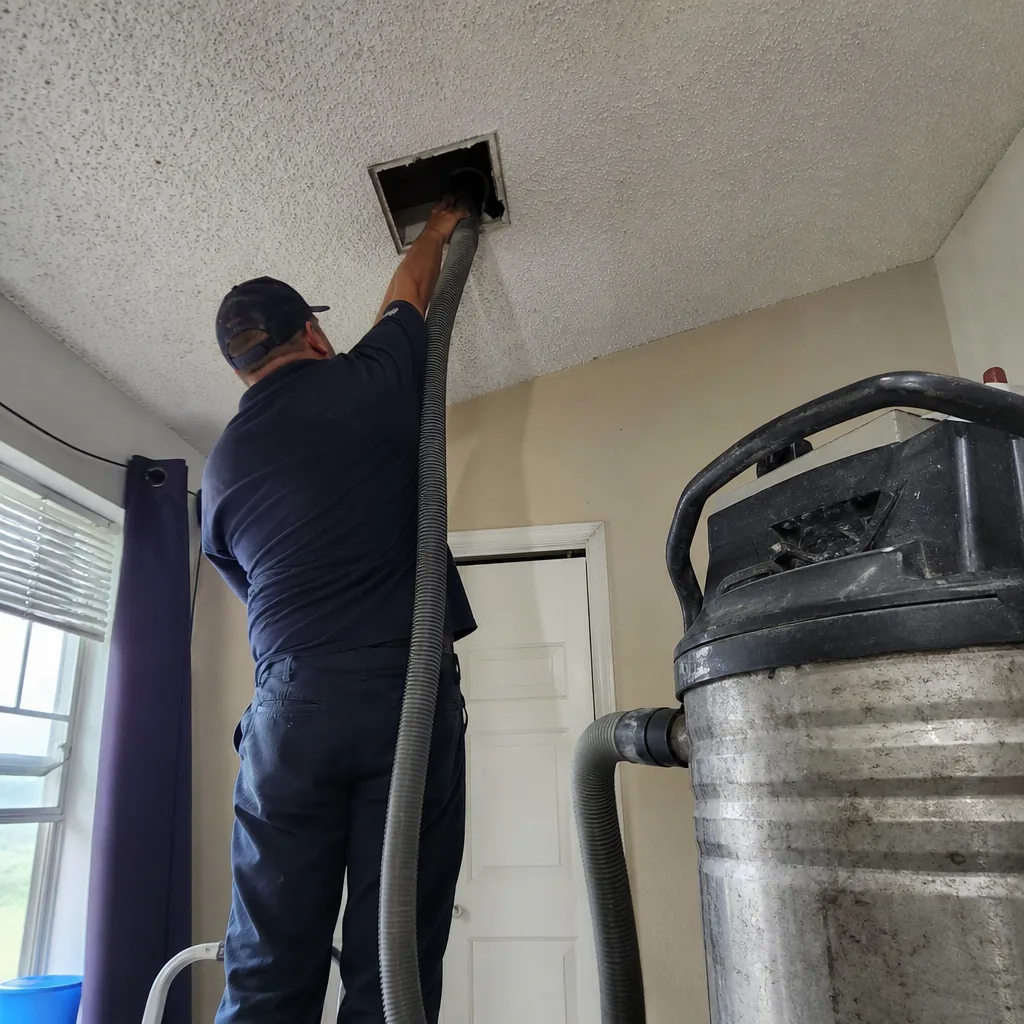 Before
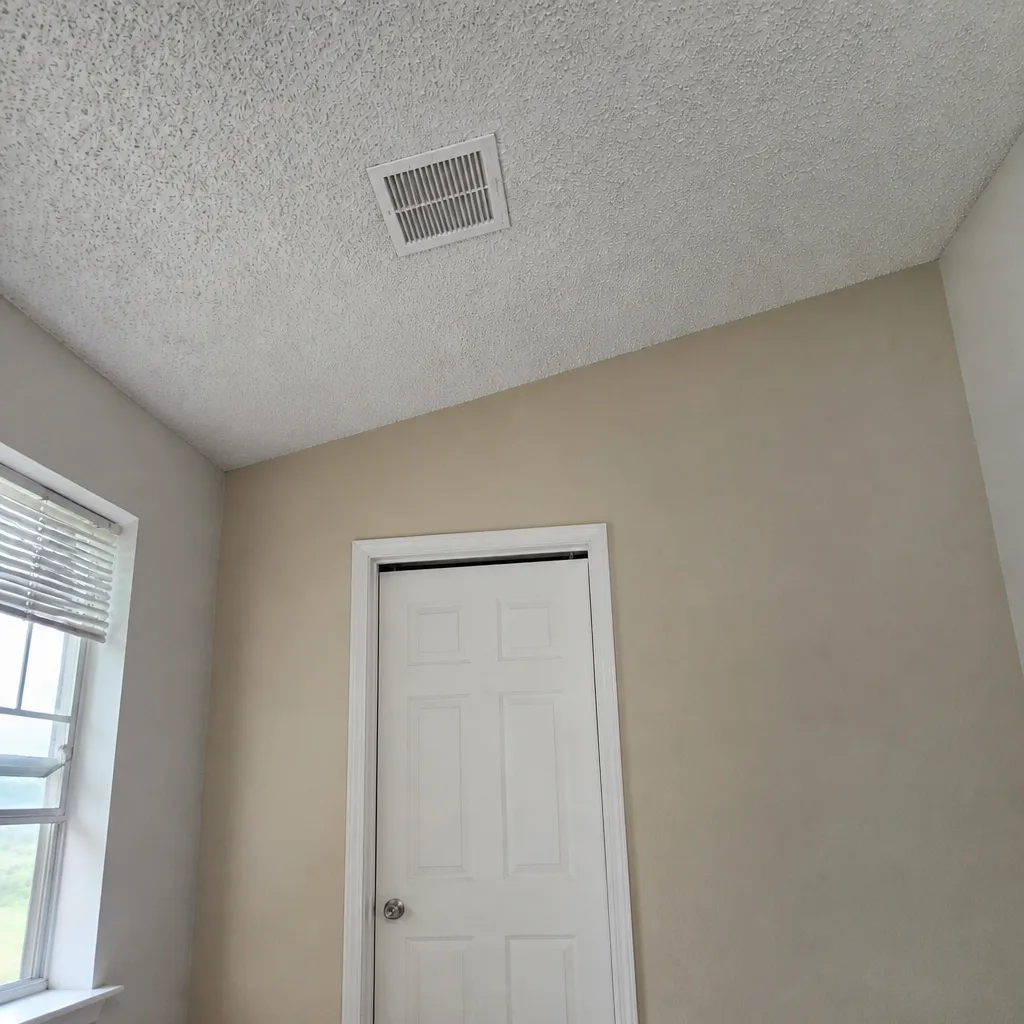 After
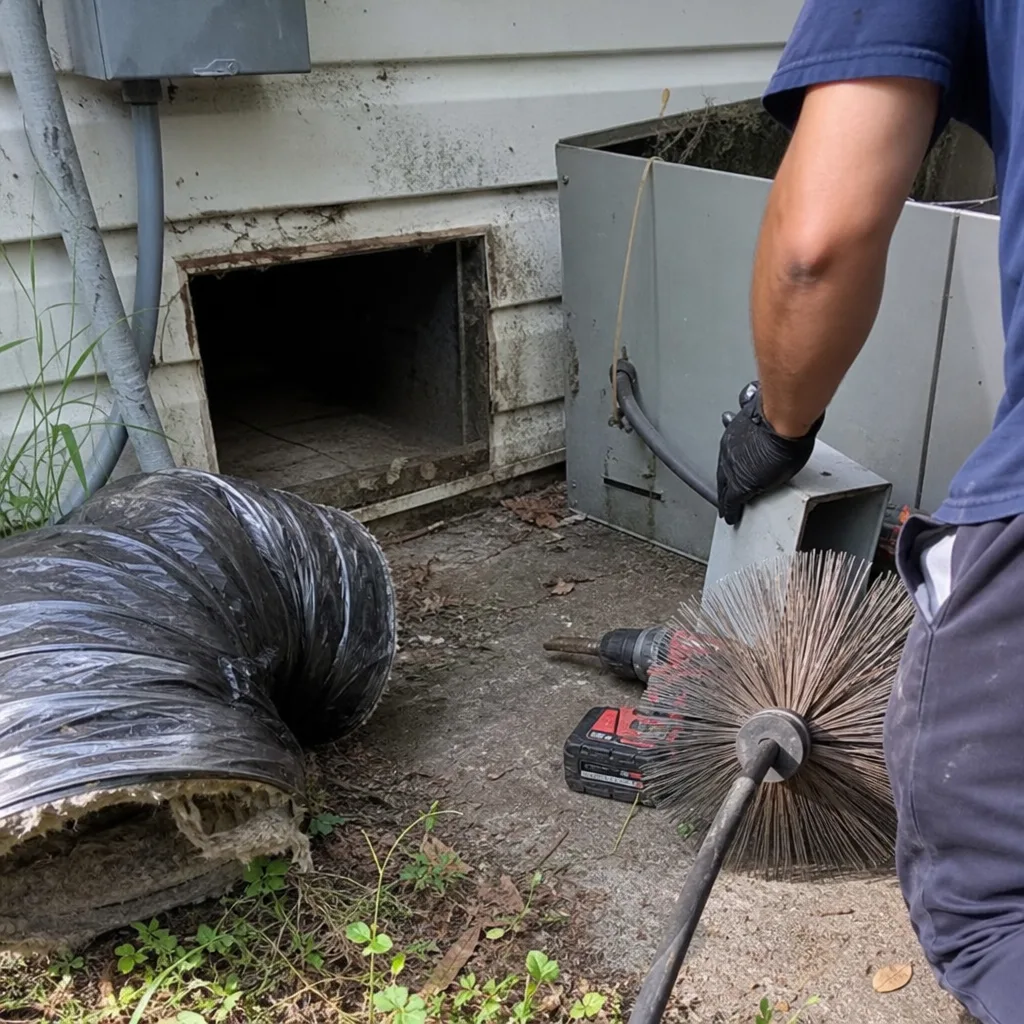 Before
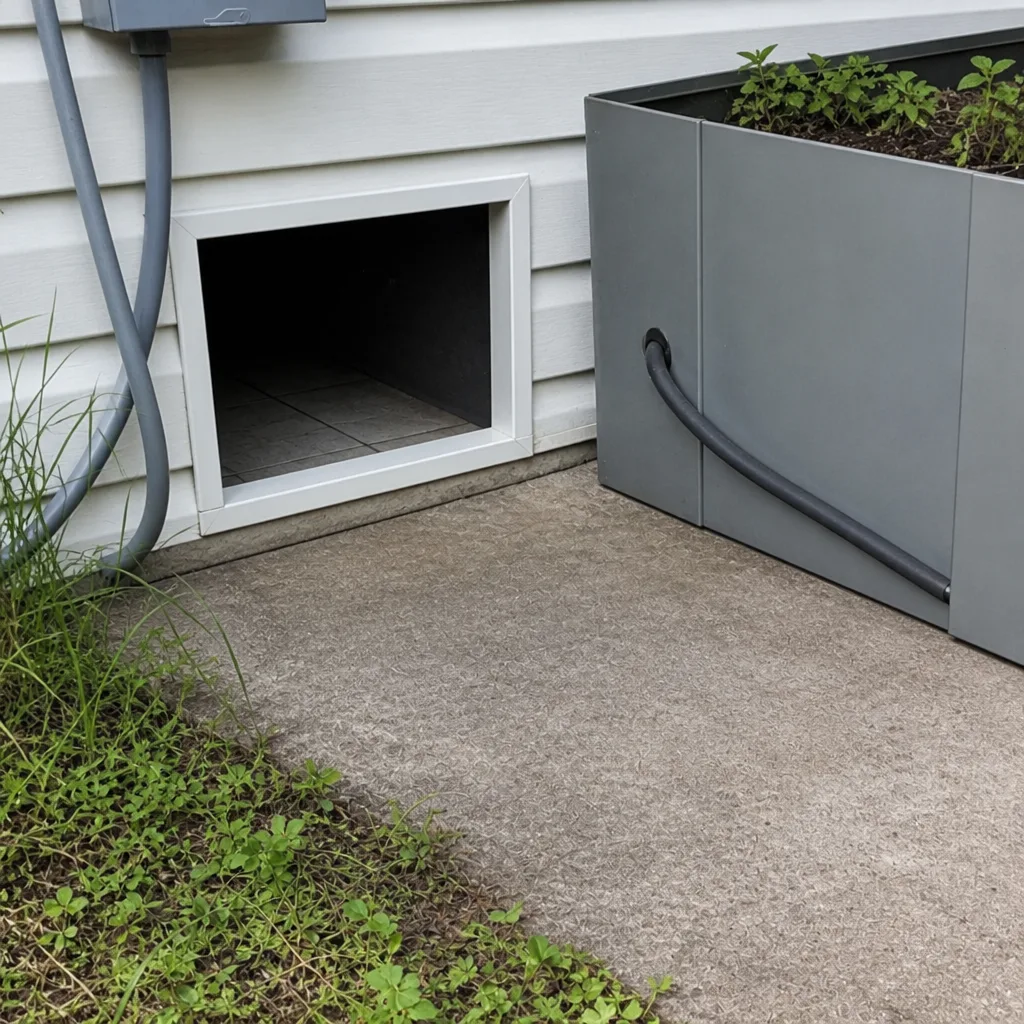 After
 Before
 After